 Pin This
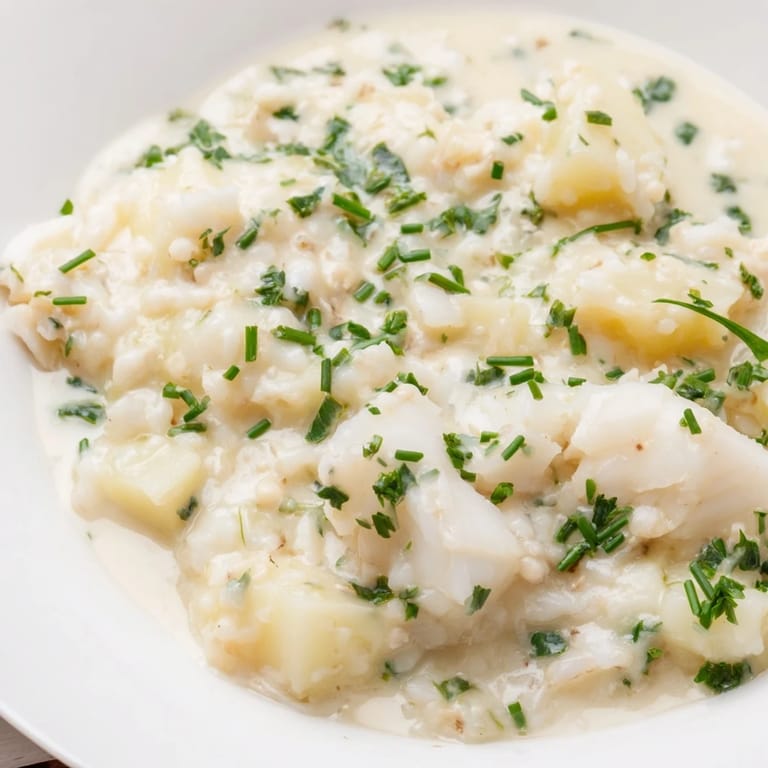
 The first time I tasted authentic Icelandic fish stew was in a small cottage kitchen on the Reykjanes Peninsula, where the wind rattled the windows and the cook moved with quiet confidence, knowing exactly when the cream had turned the broth from pale to silky. There's something about this dish that feels less like a recipe and more like a memory—one that stays warm in your chest long after the bowl is empty. It's the kind of stew that asks nothing fancy of you, just good fish, buttery potatoes, and the patience to let cream work its magic over gentle heat.
I made this for my grandmother on a gray February afternoon when she'd been cooped up indoors too long, and watching her face soften with the first spoonful told me everything—that food this simple, this honest, carries a kind of nourishment that goes beyond nutrition. She asked for seconds, and then thirds, and somewhere between the kitchen and the living room, we stopped talking about recipes and started talking about winters, about the sea, about why certain meals feel like home.
Ingredients
- Cod or haddock fillets (500 g / 1 lb): White fish is the heart of this stew—mild, flaky, and substantial enough to anchor the creamy broth without overpowering it. Look for firm fillets that smell like clean ocean, not fishy.
- Butter (60 g / 4 tbsp): Don't skimp here; it's your foundation for softening the onion and building the base flavor that makes everything taste richer.
- Whole milk (500 ml / 2 cups): The primary ingredient that gives this stew its signature creamy character.
- Heavy cream (100 ml / ⅓ cup + 1 tbsp): This is what transforms a simple soup into something luxurious; just a modest amount makes all the difference.
- Potatoes (500 g / 1 lb): Waxy potatoes hold their shape better than floury ones, so they stay tender chunks rather than disappearing into mush.
- Onion (1 medium): Diced fine enough that it practically dissolves into sweetness as it cooks in butter.
- Fresh parsley and chives (2 tbsp each): These herbs brighten everything; add half during cooking so the flavor melds, then scatter the rest fresh over each bowl.
- Bay leaf (1): You'll use this to poach the fish, then discard it—it flavors the broth without lingering.
- Salt (1 tsp), white pepper (½ tsp), nutmeg (pinch, optional): White pepper keeps the stew pale and elegant, while nutmeg, if you use it, whispers rather than shouts.
Tired of Takeout? 🥡
Get 10 meals you can make faster than delivery arrives. Seriously.
One email. No spam. Unsubscribe anytime.
Instructions
- Boil the potatoes until tender:
- Fill a large pot with salted water—it should taste like the sea—and bring it to a rolling boil. Add your diced potatoes and let them cook for 12 to 15 minutes until a fork slides through without resistance. The timing depends on how small you've cut them; smaller pieces cook faster. Drain well and set aside.
- Poach the fish gently:
- In a separate saucepan, bring water to a gentle simmer with the bay leaf and a pinch of salt. Lay the fish fillets in carefully and let them cook for 6 to 8 minutes—you'll know they're done when the flesh is opaque and flakes into large, tender pieces at the gentlest nudge. Remove the fish to a plate, measure out about ⅓ cup of the cooking liquid to add later, and toss the bay leaf.
- Build the base with butter and onion:
- In your large pot, melt the butter over medium heat until it foams gently. Add the chopped onion and let it soften and turn translucent, stirring occasionally so it doesn't brown—this should take about 5 minutes and will fill your kitchen with a sweet, cozy smell.
- Add potatoes and mash lightly:
- Stir in the drained potatoes and use a potato masher to break them up just slightly, leaving plenty of chunks. You want texture here, not a purée—those pieces of potato are part of what makes this stew so satisfying.
- Combine fish and reserved liquid:
- Flake the cooled fish into large, tender pieces and fold them gently into the potato mixture along with the reserved poaching liquid. Stir slowly and carefully so the fish stays in generous pieces.
- Pour in milk and cream, then heat gently:
- Pour the milk and cream directly into the pot and stir everything together over low heat. This is where patience matters—keep the heat low and steady, stirring frequently, until the stew is heated through and has become creamy and luscious. Never let it boil; a boil can separate the cream and make the texture grainy.
- Season and finish:
- Taste as you go and add salt, white pepper, and just a pinch of nutmeg if you like. Stir in half of the chopped parsley and chives, letting their green brightness disperse throughout. Reserve the rest for garnish.
- Serve warm and garnished:
- Ladle the stew into bowls and scatter the remaining fresh herbs on top. If you have dark rye bread and good butter, serve them alongside—they're the perfect companion for soaking up every last drop.
 Pin This
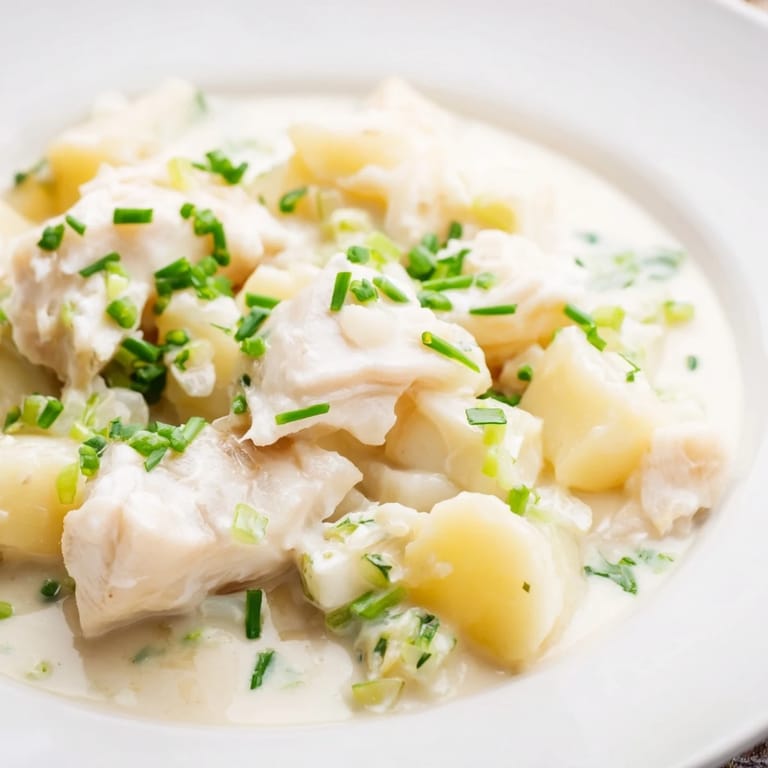
 There's a particular quietness that happens when you're standing at the stove watching cream swirl into potato broth, when the whole dish comes together just right and suddenly smells less like cooking and more like dinner. That moment, before anyone tastes it, is when it becomes real.
Why This Stew Tastes Like Iceland
Iceland's relationship with food is practical and honest—there's no pretense when your survival has historically depended on what you can pull from cold waters and grow in short summers. This stew reflects that clarity: good fish, root vegetables, dairy from grass-fed cows, and nothing extraneous. The creaminess comes from respecting ingredients, not from unnecessary embellishment. Every component is there because it needs to be, which is exactly why it tastes so right.
How to Adapt This Stew
The foundation is flexible—the potato and cream base will welcome whatever white fish is freshest, whether that's halibut, pollock, or even smoked fish if you want a deeper flavor. Some cooks add a small amount of mustard powder or a splash of white wine, others prefer it pure and simple. If you want a lighter version, use milk only and skip the cream entirely; the stew will be thinner but still deeply satisfying, and the fish flavor will come through more clearly.
Serving and Pairing
This stew is substantial enough to be a meal on its own, but dark rye bread—particularly traditional Icelandic rúgbrauð—is almost inseparable from it. Tear the bread into pieces and use them to soak up the cream-rich broth, which is part of the pleasure. Some people add a small salad of tart greens alongside, which cuts through the richness beautifully and awakens your palate between spoonfuls.
- Serve immediately after cooking, while the stew is hot and the herbs are still bright green.
- If you're making this ahead, reheat gently over low heat, stirring often, and add a splash of milk if it's thickened too much during storage.
- Leftovers actually taste better the next day once the flavors have had time to fully marry together.
 Pin This
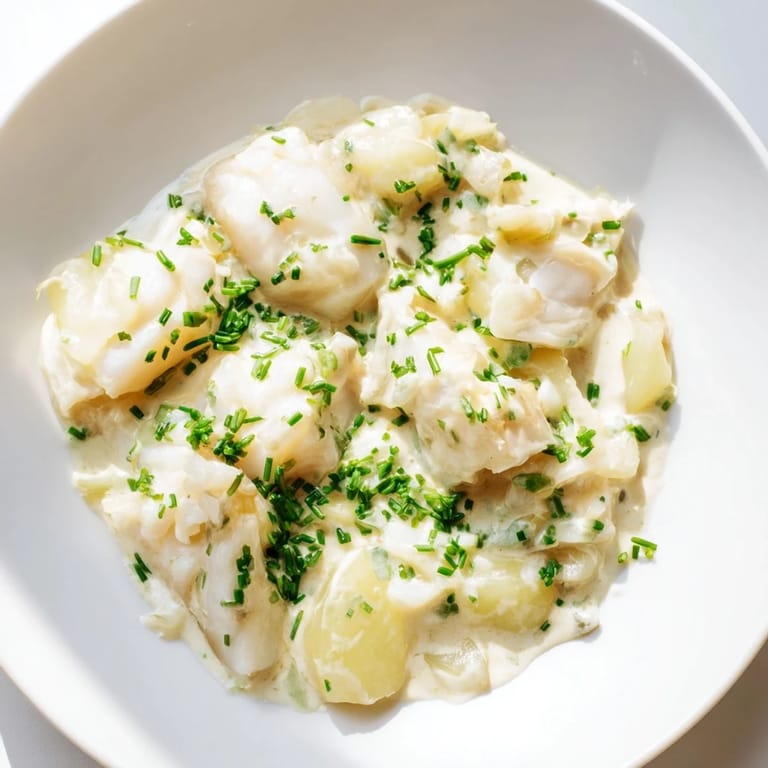
 This stew has a way of becoming tradition the moment you make it for someone who matters. It asks so little of you—patience, good ingredients, and the willingness to let warmth and cream work their quiet magic—and gives back so much more.