 Pin This
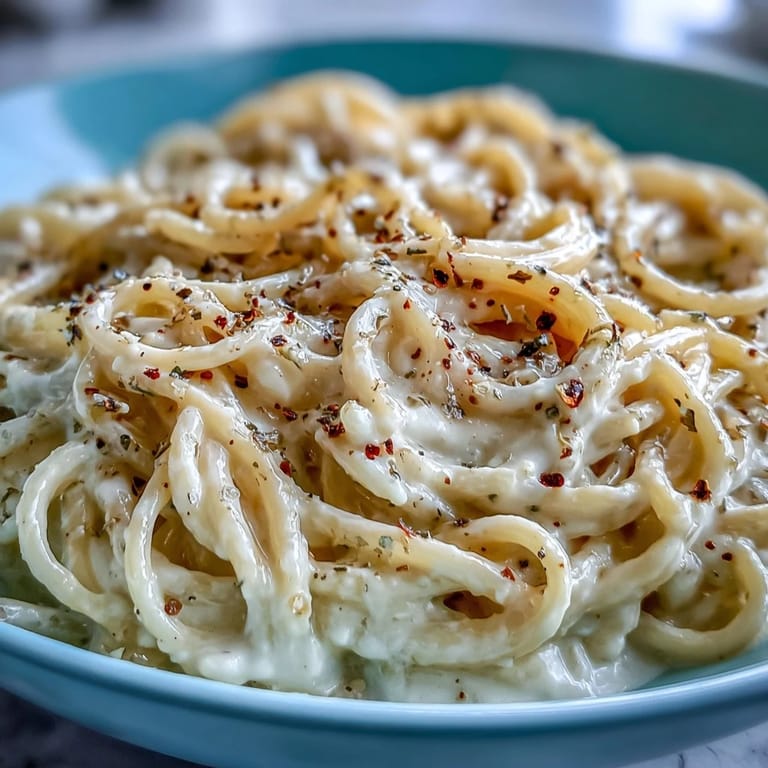
 There's something almost defiant about cacio e pepe. Just three ingredients, and yet the first time I nailed it, I felt like I'd cracked some secret culinary code. I'd failed twice before, ending up with clumpy cheese instead of silk, but the third attempt on a rainy Tuesday evening finally came together. The steam rose, the cheese melted into glossy rivers, and I stood there grinning at my stove like I'd won something. Sometimes the simplest dishes teach you the most about patience and timing.
I made this for my neighbor once after she mentioned never traveling to Italy. She took one bite, closed her eyes, and said it tasted like something she'd been missing without knowing it. We sat on my tiny balcony with our bowls, talking about places we'd never been but could taste in our kitchens. That night, cacio e pepe stopped being just pasta and became a little act of transportation.
Ingredients
- Spaghetti or tonnarelli: The shape matters more than you'd think because the sauce clings to the ridges and curves, so go for something with texture if you can find it.
- Pecorino Romano cheese: This is the soul of the dish, sharp and salty, and it must be freshly grated or it won't melt into that creamy, dreamy sauce.
- Whole black peppercorns: Toasting them releases an almost floral heat that pre-ground pepper just can't touch, so crack them fresh right before you start.
- Kosher salt: For the pasta water, which becomes part of the sauce, so don't skip salting generously.
- Unsalted butter: Optional, but it adds a whisper of richness that some nights I can't resist, even if purists might shake their heads.
Tired of Takeout? 🥡
Get 10 meals you can make faster than delivery arrives. Seriously.
One email. No spam. Unsubscribe anytime.
Instructions
- Boil the pasta:
- Bring a big pot of water to a rolling boil, salt it like the sea, then drop in your spaghetti and cook it just shy of al dente. Before you drain, scoop out about a cup and a half of that starchy, salty water because it's liquid gold for your sauce.
- Toast the pepper:
- While the pasta bubbles away, toss your cracked peppercorns into a dry skillet over medium heat and let them sizzle for about a minute until your kitchen smells like a spice market. This step wakes up the pepper in a way that changes everything.
- Build the base:
- Pour a cup of that reserved pasta water into the skillet with the toasted pepper and turn the heat down low. Let it simmer gently, becoming a peppery, starchy bath for your pasta.
- Toss the pasta:
- Add your drained spaghetti to the skillet and toss it around, letting it drink up some of that peppery water. The pasta should look glossy and almost alive as it absorbs the flavor.
- Create the cream:
- Pull the skillet off the heat and start sprinkling in the Pecorino, tossing fast and constantly like you're trying to convince the cheese to melt instead of clump. Add splashes of reserved water whenever it looks tight, and keep moving until it turns into a creamy, clingy sauce.
- Finish and serve:
- If you're using butter, toss it in now and stir until it melts into the sauce, then plate immediately and shower with more cheese and pepper. Cacio e pepe waits for no one, so eat it while it's hot and perfect.
 Pin This
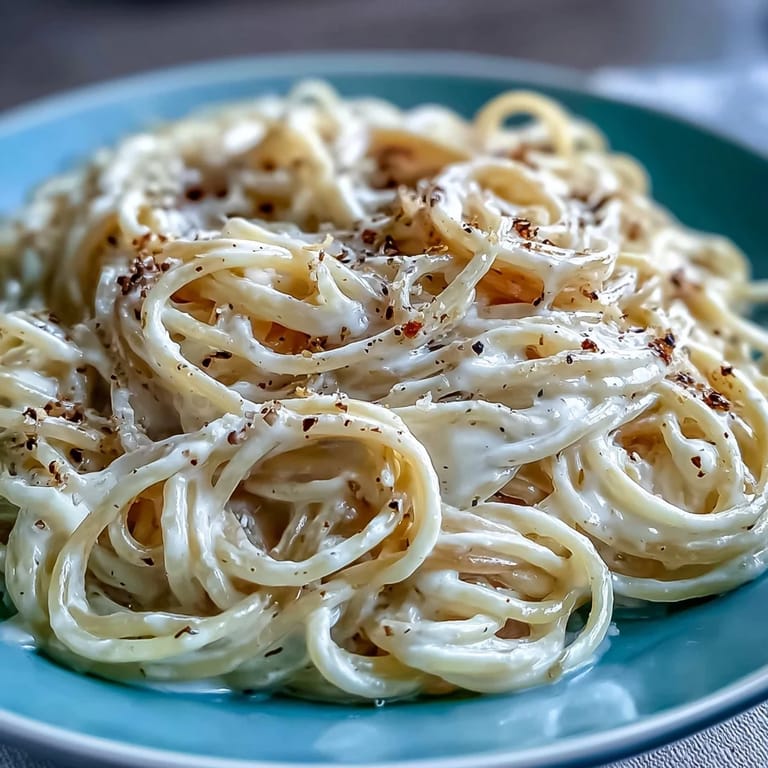
 One night I made this after a long argument with someone I cared about, and we ate it in silence at first. But halfway through, the richness and warmth of it softened something between us, and we started talking again. Food has a way of doing that, of making space for things words can't quite reach.
Choosing Your Pasta
Tonnarelli is traditional and has a square shape that grabs the sauce beautifully, but spaghetti works just as well if that's what you have. I've even used bucatini when I felt like being a little fancy, and the hollow center filled with creamy sauce was a gift. The key is cooking it properly and saving that starchy water.
The Cheese Situation
Pre-grated cheese from a bag will betray you here because it's coated with anti-caking agents that prevent it from melting smoothly. Buy a wedge of real Pecorino Romano and grate it yourself, and suddenly you'll understand why this dish has survived centuries. The difference is not subtle.
Serving and Pairing
This dish is best eaten immediately, straight from the pan if you're feeling bold, with nothing more than a simple green salad on the side. A crisp white wine like Frascati cuts through the richness beautifully, or just pour yourself some cold water and let the pasta be the star.
- Plate it in warmed bowls so the sauce stays silky longer.
- Don't be shy with the finishing pepper, it should be visible and generous.
- Leftovers are tricky because the sauce tightens, but a splash of water and gentle reheating can bring it back to life.
 Pin This
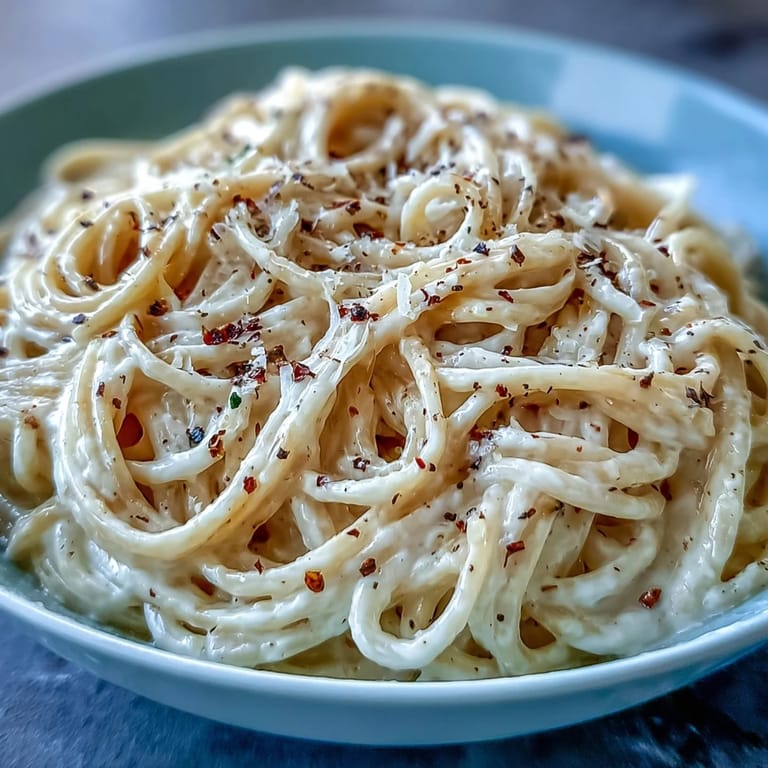
 Cacio e pepe is proof that you don't need a long ingredient list to make something unforgettable. It just takes a little attention, some good cheese, and the willingness to believe that simple can be extraordinary.
Recipe FAQs
- → Why does my Cacio e Pepe sauce turn clumpy?
Clumping occurs when the cheese is added too quickly or the pan is too hot. Remove the skillet from heat before adding Pecorino Romano, and add it gradually while tossing constantly. The reserved pasta water's starch helps create a smooth emulsion when combined properly.
- → Can I substitute Parmesan for Pecorino Romano?
While Parmesan can be used, Pecorino Romano's sharper, saltier flavor is essential to authentic Cacio e Pepe. Pecorino provides the distinctive tangy bite that defines this Roman classic. If substituting, reduce added salt accordingly.
- → What's the best pasta shape for Cacio e Pepe?
Tonnarelli, a square-cut spaghetti, is traditional in Rome. Regular spaghetti or bucatini work beautifully as well. The key is using long pasta that can be twirled and coated evenly with the creamy cheese sauce.
- → How do I get the sauce creamy without butter?
The creaminess comes from properly emulsifying the Pecorino Romano with starchy pasta water. Cook pasta al dente, reserve plenty of cooking water, and vigorously toss the cheese with the hot pasta off heat. The starch acts as a natural binder creating that silky texture.
- → Can I make Cacio e Pepe ahead of time?
This dish is best served immediately as the sauce can separate and the pasta absorbs moisture over time. If necessary, undercook the pasta slightly and store separately from the cheese, then combine just before serving with fresh pasta water to revive the sauce.
- → How much black pepper should I really use?
Two teaspoons of freshly cracked peppercorns provides bold flavor without overwhelming heat. Toast the pepper to bring out aromatic oils. Adjust to taste, but remember that pepper is a starring ingredient, not just a background note.