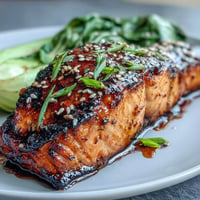
 Pin This
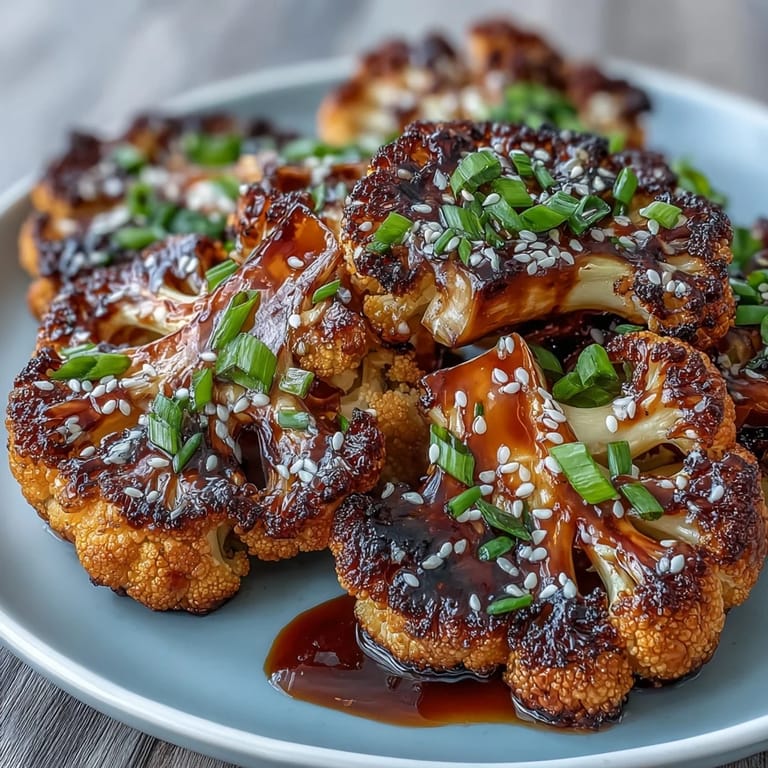
 A sizzling pan of teriyaki cauliflower steaks caught my eye while I was experimenting with weeknight dinners that felt more celebratory than routine. The sticky smell of soy and sesame drifted through the kitchen, mixing with the earthy sweetness of roasting cauliflower and making me reconsider what counts as comfort food. As I glazed each golden slab, there was a little thrill in seeing something so familiar turn into the star of the show. Sometimes, the best recipes arrive not out of nostalgia, but out of a curious itch to bring the unexpected to the dinner table.
I still laugh about the first time I served this to my sister, who doubted cauliflower could be anything but bland. Sitting at my tiny dining table, we drizzled sauce with reckless abandon and demolished every last bite before anyone remembered to pour drinks.
Ingredients
- Cauliflower: Pick heads that feel heavy for their size—the extra density means thicker, intact steaks that won’t fall apart in the oven.
- Olive oil: A generous brush on both sides helps the steaks go golden and keeps them from drying out.
- Salt and black pepper: Simple seasoning matters here, so sprinkle evenly for flavor in every bite.
- Soy sauce: Use low-sodium if you want to dial back the salt; either way, it delivers the backbone of umami.
- Maple syrup or honey: This is what gives the teriyaki glaze its irresistible sweetness and shine.
- Rice vinegar: Just enough tang to brighten the sauce without overwhelming the other flavors.
- Toasted sesame oil: A little goes a long way for nutty, toasty aroma in the finished sauce.
- Cornstarch: Mixing it with water first keeps the glaze glossy and lump-free.
- Garlic and fresh ginger: Grate them fresh for a burst of sharpness that sings through the sauce.
- Toasted sesame seeds: I never skip this sprinkle—it adds just the right crunch at the end.
- Scallions: Sliced thin, they provide color and a subtle onion-like bite to finish the plate.
Tired of Takeout? 🥡
Get 10 meals you can make faster than delivery arrives. Seriously.
One email. No spam. Unsubscribe anytime.
Instructions
- Prep the oven and sheet:
- Set your oven to 425°F (220°C) and line a baking sheet with parchment paper so cleanup is easy.
- Slice the cauliflower:
- Removing leaves and keeping the core, cut across the head into 1-inch-thick slabs—don’t worry if a few florets break loose.
- Season and arrange:
- Carefully brush each steak with olive oil and season with salt and pepper, making sure you reach into all the nooks.
- Roast to perfection:
- Roast for 20 minutes until golden, then gently flip and finish roasting so both sides get beautifully caramelized.
- Whisk up teriyaki sauce:
- Combine soy, maple syrup (or honey), rice vinegar, sesame oil, garlic, and ginger in a small saucepan—let the mixture simmer over medium heat.
- Thicken the glaze:
- Stir cornstarch with water, add to the saucepan, and whisk until the sauce thickens and becomes shiny (about a minute or two).
- Glaze and caramelize:
- With the cauliflower still hot, brush with the teriyaki sauce and pop back in the oven to let the glaze bubble and set for a couple minutes.
- Finish and serve:
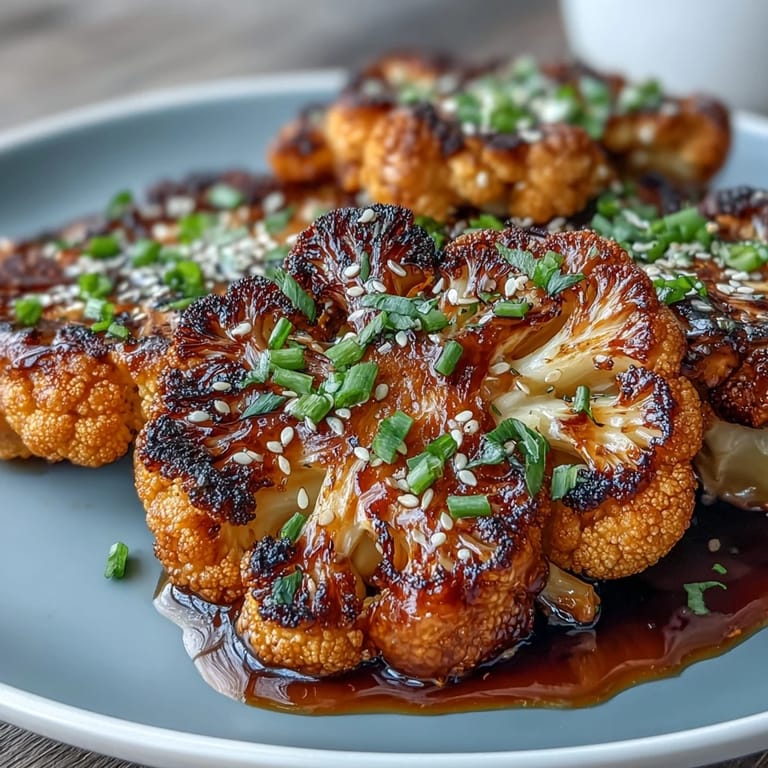
- Transfer steaks to plates, pour over a bit more sauce, and scatter sesame seeds and scallions on top before serving.
 Pin This
 There was one quiet evening when I left the windows open and the scent of teriyaki wafted out to the hallway—my neighbor knocked to ask what in the world I was making. That was the night we shared dinner with our doors propped open, passing stories between bites of sticky, sesame-flecked cauliflower.
The Power of a Good Glaze
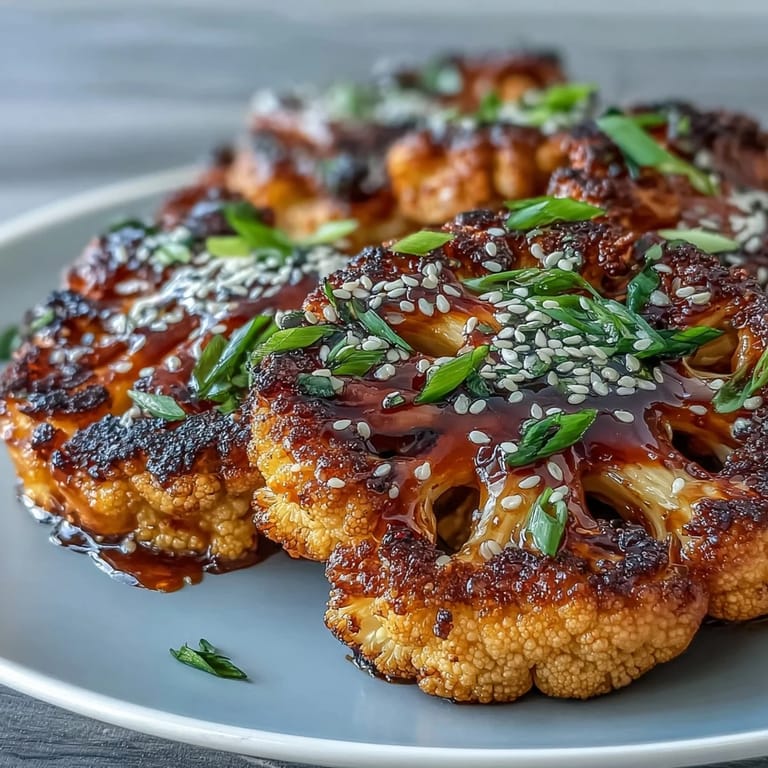
I once underestimated how crucial that glossy finish would be. When the sauce thickens just right, it clings to the nooks and crannies, turning each steak into a lacquered, flavorful showstopper that doesn’t need any meat or dairy to satisfy.
Adapting for Different Diets
One weekend, I tried tamari instead of soy sauce for my gluten-free friend and was pleasantly surprised—no one could tell the difference, and everyone grabbed seconds without a word.
Making It Your Own Every Time
Over time, I’ve noticed that switching up the sweetener alters the whole vibe—honey is floral, while maple syrup adds deeper notes. Sometimes a sprinkle of chili flakes goes in for a late heat that lingers after each bite.
- Don’t worry if a steak breaks—just roast the florets as a bonus snack.
- Use parchment paper generously; the glaze does like to stick.
- Garnish just before serving so the scallions stay bright and crisp.
 Pin This
 This dish always surprises me with just how special cauliflower can be. Hope it brings a little delight to your table, too.
Recipe FAQs
- → How thick should I slice the cauliflower for even cooking?
Slice into roughly 1-inch-thick steaks to hold together while roasting. Thinner slices can fall apart; very thick pieces need longer roasting to become tender.
- → How do I get a glossy, caramelized glaze without burning?
Simmer the sauce until slightly thickened, brush it on near the end of roasting, and return the steaks to high heat for 2–3 minutes to caramelize. Watch closely to prevent burning.
- → Can I make this gluten-free?
Yes—use tamari or a certified gluten-free soy sauce in place of regular soy sauce to keep the flavor while removing gluten.
- → What’s the best way to add heat to the glaze?
Stir a pinch of chili flakes, a dash of Sriracha, or a little gochujang into the sauce while simmering to build gentle, layered spice without overpowering the glaze.
- → Can I finish these on the grill instead of the oven?
Absolutely. Roast or sear the steaks until nearly tender, brush with glaze, then transfer to a hot grill to char and caramelize for extra smokiness.
- → How should leftovers be stored and reheated?
Refrigerate cooled steaks in an airtight container up to 3 days. Reheat gently in a hot oven (350°F/175°C) or in a skillet to revive the glaze and maintain texture.