 Pin This
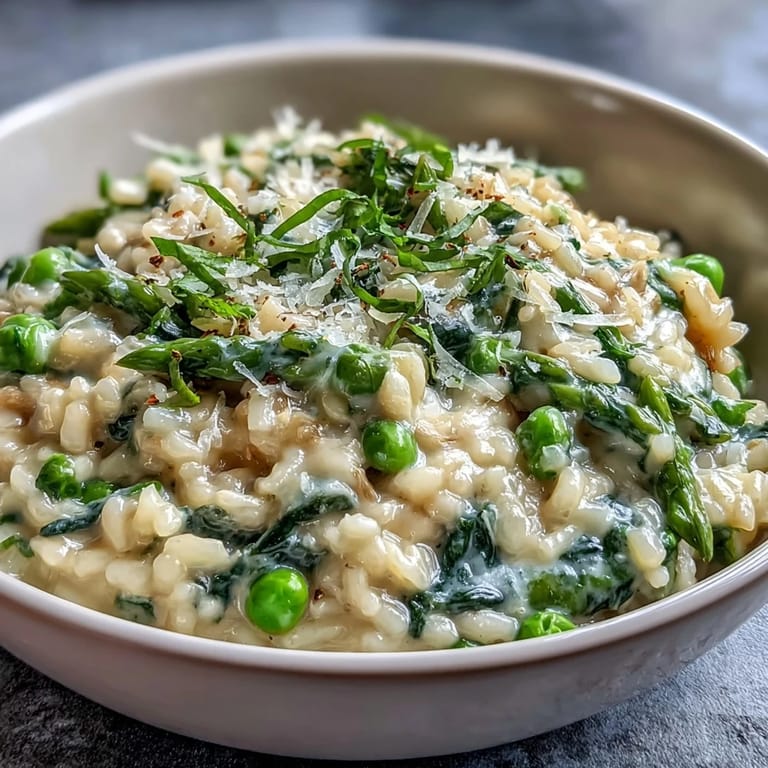
 The unmistakable scent of shallots sizzling in olive oil always whisks me into spring, when every window is cracked open and the garden is full of promise. The first time I made this Spring Pea Risotto, I remember being more curious than confident, unsure if fresh mint belonged in anything but mojitos. As peas tumbled into the steaming pot, their vibrant color made the whole kitchen look brighter. There’s something hopeful about dishes that bring the season indoors. Every spoonful reminds me that some of the best meals come from letting the produce decide the menu.
I once served this for a small dinner on my apartment balcony, where even the chilly breeze couldn’t dampen the excitement of friends passing the wine and guessing the secret to the risotto’s velvety finish. Each of us had a spoon in hand, debating whether the mint outshone the peas. It was the kind of meal where conversation lingers as long as the food. Even our mismatched chairs felt festive, circled around a colorful table. That night, the leftovers disappeared before midnight—always a reliable sign of success.
Ingredients
- Spring peas (fresh or frozen): Use whichever you have—if using frozen, don’t thaw, just toss them straight in for a burst of color and sweetness.
- Medium shallot: Finely chopping it gives the risotto a gentle foundation of flavor without overpowering the peas.
- Garlic: Minced garlic perfumes the oil and brings warmth to the rice.
- Fresh mint leaves: Chop the mint very fine; a little goes a long way, adding freshness without taking over the dish.
- Lemon zest: Zest your lemon right into the pot for a noticeable but subtle brightness—it lifts all the other flavors.
- Arborio rice: This starchy rice is key; don’t rinse it or you’ll lose its signature creaminess.
- Low-sodium vegetable broth: Keep it warm on the stove so it blends smoothly with the rice, building layers of flavor.
- Dry white wine: Pour slowly and listen to that cheerful sizzle as the alcohol evaporates—use a wine you’d happily drink.
- Olive oil: Start everything off with a good olive oil for rich, fruity undertones.
- Unsalted butter: Stir in at the finish for a silky, luxurious texture—you’ll taste the difference.
- Aged Parmesan cheese: Grate it finely so it melts evenly, adding a salty, nutty depth.
- Kosher salt: Add gradually and taste as you go; the cheese adds salt, too.
- Freshly ground black pepper: A final grind before serving wakes up all the flavors.
Tired of Takeout? 🥡
Get 10 meals you can make faster than delivery arrives. Seriously.
One email. No spam. Unsubscribe anytime.
Instructions
- Warm the broth:
- Pour the vegetable broth into a saucepan and keep it warm over low heat; this helps the risotto cook evenly.
- Sauté aromatics:
- In your largest skillet or Dutch oven, heat the olive oil until shimmering, then add shallot and garlic; let them soften and become fragrant, stirring, about 2 to 3 minutes.
- Toast the rice:
- Scatter in the Arborio rice, stirring to coat each grain and listening for a gentle crackle; give it time to become slightly translucent at the edges, about 2 minutes.
- Add the wine:
- Pour in the white wine, stirring constantly as it sizzles; let it absorb fully before moving on.
- Ladle in broth and stir:
- Add warm broth a ladle at a time, stirring often and allowing each addition to absorb before adding the next; this slow process is what creates the creamy texture.
- Introduce the peas:
- About 15 minutes in, stir in the peas; keep adding broth and stirring until the rice is al dente and the dish looks creamy, another 5 to 10 minutes.
- Finish with flavor:
- Take the pot off heat, then stir in butter, Parmesan, mint, and lemon zest; adjust salt and pepper to your taste, then smile at the waft of fresh herbs.
- Serve:
- Spoon immediately into bowls, topping with extra Parmesan and mint if you like, and enjoy while it’s hot and lush.
 Pin This
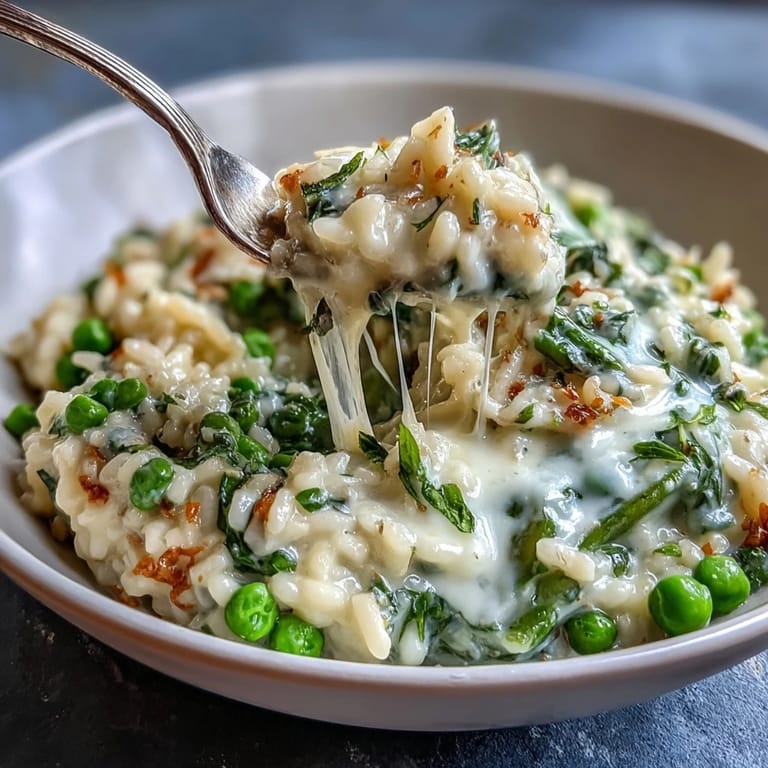
 One chilly afternoon, I brought a pot of this risotto to a friend feeling under the weather, and she swore that each spoonful tasted like sunshine and fresh air. It was food as comfort, as camaraderie, and somehow more nourishing than the sum of its parts.
Swapping in Seasonal Veggies
If you don’t have peas on hand or want to change things up, try this recipe with asparagus or thinly sliced baby zucchini—both make the risotto feel just as springy. Sometimes I stir in a handful of spinach at the end for extra green vibrance.
Letting Your Senses Guide You
The moment you start to hear a gentle hiss and see the rice lose its chalky center, you’ll know you’re doing it right. Trust your nose when the butter melts in; those inviting aromas signal it’s nearly time to eat.
Serving Up a Little Something Special
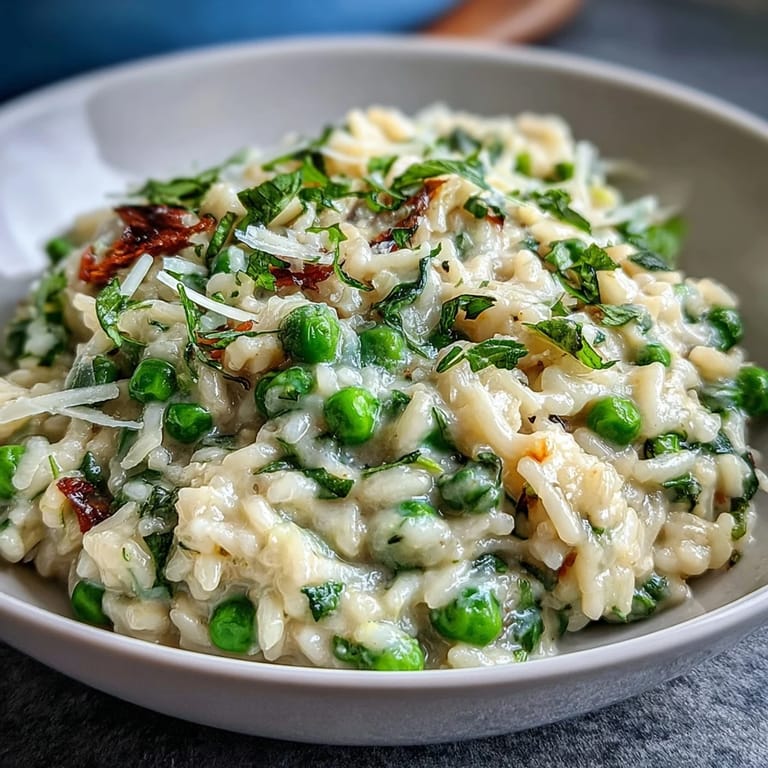
At the table, a final sprinkle of lemon zest or a little extra mint transforms each bowl into something restaurant-worthy without any extra fuss.
- Chill your serving bowls beforehand to keep the risotto warm longer.
- Reheat leftovers gently with a splash of broth or water for creaminess.
- Save some stems from the mint or pea shoots for a playful garnish.
 Pin This
 Making risotto is never just about the technique—it’s permission to linger by the stove, stir a bit, taste a bit, and let the kitchen fill with the best kind of anticipation. May this dish find its way to your own table, bringing spring along with it.
Recipe FAQs
- → How do I know when the rice is al dente?
Taste a grain toward the end of cooking; it should be tender with a slight firm center. The overall mise should be creamy and loose—add a little more warm broth if it looks dry.
- → Can I use frozen peas instead of fresh?
Yes. Stir frozen peas in during the last 3–5 minutes of cooking so they heat through while keeping a bright color and sweet flavor.
- → What is a good wine substitute for the white wine?
Replace the wine with an equal amount of warm vegetable broth or a splash of dry vermouth. A teaspoon of white wine vinegar diluted in broth can restore acidity if needed.
- → How can I make the dish extra creamy without cream?
Finish off the pot off the heat while vigorously stirring in cold butter and finely grated aged Parmesan; the emulsified starch and cheese produce a silky, rich finish.
- → Is it possible to make this ahead of time?
Cook the risotto slightly underdone, cool quickly and refrigerate. Reheat gently with warm broth while stirring until the grains loosen, then finish with butter and cheese before serving.
- → What wine pairs best with these flavors?
Pick a crisp white like Sauvignon Blanc or a light Pinot Grigio; their acidity complements the peas, lemon zest and Parmesan without overpowering the dish.