 Pin This
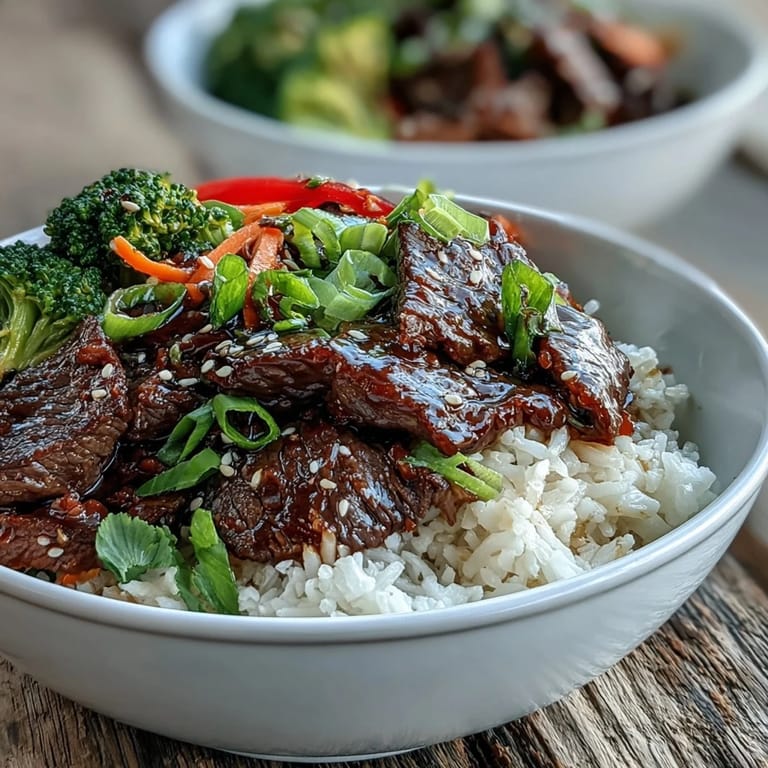
 My friend Sarah brought home a teriyaki beef bowl from a small Japanese place near her office, and I couldn't stop thinking about how the beef just melted on my tongue while the sauce clung to every grain of rice. That night, I stood in my kitchen trying to recreate it, and somewhere between the sizzle of beef hitting the hot pan and the way the sauce thickened into something glossy and dark, I realized this was going to become a regular rotation dinner. What struck me most wasn't the complexity, but how something so simple could taste this good.
I made this for my neighbor who'd been stressed about work, and watching him take that first bite, then immediately ask for the recipe, reminded me why I love cooking for people. There's something about a warm bowl of teriyaki beef that feels both comforting and exciting at the same time, like you're getting takeout quality without leaving your house.
Ingredients
- Flank steak or sirloin (500g): Slice it thin and against the grain so each piece is tender and soaks up that sauce without needing to chew forever.
- Cornstarch (2 tbsp total): A light coating on the beef helps it brown faster and creates those crispy edges, while the slurry thickens the sauce to silky perfection.
- Vegetable oil (1 tbsp): Get your pan smoking hot, because that's where the magic happens with the beef.
- Soy sauce (80 ml): This is your umami backbone, so don't skimp on quality here.
- Mirin (60 ml): The secret sweetness that makes this sauce addictive without tasting like candy.
- Honey or brown sugar (2 tbsp): Balances everything out and gives the sauce that glossy, restaurant-quality finish.
- Rice vinegar (2 tbsp): Cuts through the richness and keeps the sauce from being one-note sweet.
- Garlic and ginger: Minced fresh is non-negotiable because that brightness is what makes people ask what you did differently.
- Mixed vegetables (carrots, bell pepper, broccoli, spring onions): The colors matter here because you eat with your eyes first, plus the crisp texture keeps things interesting.
- Cooked rice (2 cups): Warm and fluffy, ready to catch every drop of sauce.
- Sesame seeds (1 tbsp): The finishing touch that adds a whisper of nuttiness and makes it look intentional.
Tired of Takeout? 🥡
Get 10 meals you can make faster than delivery arrives. Seriously.
One email. No spam. Unsubscribe anytime.
Instructions
- Build your sauce foundation:
- Combine soy sauce, mirin, honey, rice vinegar, garlic, and ginger in a small saucepan and let them get friendly over medium heat until it starts to simmer gently. You'll smell everything coming alive, and that's when you know it's working.
- Thicken with confidence:
- Whisk in your cornstarch slurry and watch the sauce transform from thin to silky in about two minutes, then set it aside before it breaks.
- Coat your beef:
- Toss sliced beef with cornstarch until every piece is lightly dusted, almost like it's getting ready for the spotlight.
- Sear with heat:
- Get your skillet or wok screaming hot, add oil, then beef, and don't move it around for the first minute so it gets those caramelized edges that make your mouth water. Two to three minutes total and it's golden and cooked through.
- Vegetables get their turn:
- In that same hot pan, add carrots, bell pepper, and broccoli and let them sizzle until they're tender but still have some snap to them, about three to four minutes.
- Bring it all together:
- Return the beef to the pan, pour that beautiful sauce over everything, and toss it all around for one minute so every piece gets coated and heated through.
- Plate and garnish:
- Spoon everything over warm rice and finish with spring onions and sesame seeds so it looks as good as it tastes.
 Pin This
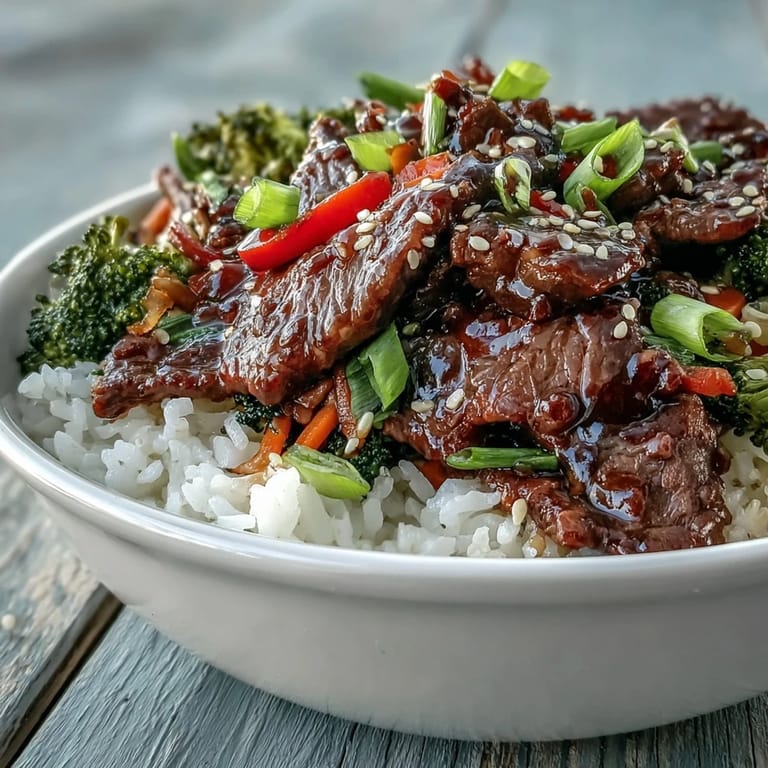
 There was a moment when my kid took a bite and looked up with genuine surprise, then asked if we could have this for his birthday dinner instead of going out. That's when I knew this recipe had become something special in our house, not just another meal but a moment where everyone's happy at the table.
The High-Heat Secret
The reason this tastes like restaurant food is temperature, plain and simple. I learned this by accident one night when my pan wasn't quite hot enough and the beef came out gray instead of golden brown, and that's when I realized heat is an ingredient too. Now I wait for that split second where the oil shimmers and almost smokes before the beef goes in, and the difference is immediate and undeniable.
Vegetable Timing Matters
One night I added all the vegetables at once and they turned into mush while the carrots were still tough, so now I've learned which ones need time. Harder vegetables like carrots go in first, softer ones follow, and everything comes together with a little patience instead of all at once in a jumbled mess.
Make It Your Own
The beauty of this bowl is that it's a canvas for whatever you have in your fridge or whatever mood you're in that night. Some nights I add mushrooms for earthiness, other times edamame or snap peas for a different texture, and it's always delicious because the sauce is flexible like that.
- Swap beef for chicken breast cut into strips, or use firm tofu pressed and cubed if you want to go meatless without sacrificing satisfaction.
- Add a splash of water to the sauce if you want it looser and more flowing, or leave the slurry out entirely for a thinner glaze if that's what your mood demands.
- Make extra sauce because there's never enough to coat the rice, and your future self will thank you for the leftovers.
 Pin This
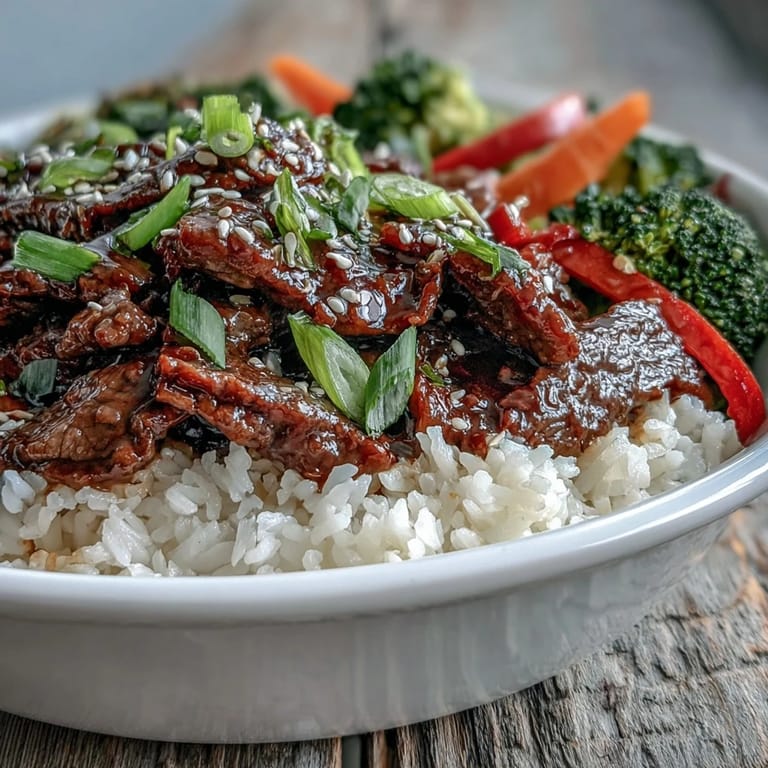
 This teriyaki beef bowl became the recipe I return to when I want to feel like I'm taking care of people, because something warm and delicious has a way of doing that. It's simple enough to make on a Tuesday night but special enough that it feels like you tried, and honestly, that's the sweet spot.
Recipe FAQs
- → What cut of beef works best?
Flank steak or sirloin are ideal choices. Slice the beef thinly against the grain for maximum tenderness. The quick cooking time keeps the meat from becoming tough.
- → Can I make this gluten-free?
Yes, substitute regular soy sauce with tamari or a certified gluten-free soy sauce alternative. All other ingredients are naturally gluten-free.
- → How do I store leftovers?
Store components separately in airtight containers in the refrigerator for up to 3 days. Reheat the beef and vegetables gently, then serve over freshly warmed rice.
- → Can I use brown rice?
Absolutely. Brown rice adds nutty flavor and extra fiber. Just adjust cooking time accordingly as brown rice typically takes longer to prepare than white rice.
- → What protein alternatives work well?
Chicken thighs, sliced thinly, cook beautifully with this method. Firm tofu cubes also work well for a vegetarian version—press and pan-fry before adding the sauce.
- → How can I adjust the sauce sweetness?
Reduce honey or brown sugar for a less sweet glaze, or increase for a stronger caramelized flavor. Taste as you go and adjust to your preference.