 Pin This
 Tuesday nights used to mean takeout containers and the guilt that comes with them, until a friend mentioned she'd mastered shrimp stir-fry at home in less time than delivery takes. I was skeptical—surely the wok magic required years of practice—but curiosity won out. That first attempt, watching the shrimp turn from translucent to coral pink in under three minutes, felt like unlocking a secret. Now this dish is my answer to hungry weeknights when I want something that tastes like restaurant quality but leaves my kitchen calm and my wallet fuller.
I made this for my mom on a random Thursday when she was stressed about work, and watching her face change as she took that first bite reminded me why simple food matters most. She asked for the recipe before she finished her bowl, which in our family is the highest compliment possible. Since then, it's become our go-to meal when we want to prove that healthy eating doesn't require suffering.
Ingredients
- Large shrimp (1 lb): The size matters more than you'd think—large shrimp stay juicy through quick cooking while smaller ones can turn rubbery before you blink.
- Red and yellow bell peppers: The color combo isn't just pretty; each color brings slightly different sweetness and texture to balance the savory sauce.
- Sugar snap peas (1 cup): These stay satisfyingly crisp even with a quick stir-fry, giving you that textural contrast that makes each bite interesting.
- Broccoli florets (1 cup): Cut them small enough that they cook through in 3-4 minutes but large enough to feel substantial on your fork.
- Carrots (2 medium, julienned): Julienne means thin matchsticks—this isn't just for show, it ensures they soften at exactly the same pace as everything else.
- Fresh ginger and garlic: The 30-second sauté is non-negotiable; it transforms these from raw and sharp to fragrant and mellow, setting the entire flavor foundation.
- Low-sodium soy sauce (3 tbsp): Low-sodium lets you taste the other flavors instead of getting drowned in salt; use tamari if gluten matters to you.
- Toasted sesame oil (1 tbsp): This carries the weight of the entire sauce—don't skip it and don't use regular sesame oil, the toasted version has the personality you need.
- Rice vinegar (1 tbsp): That little acid note keeps everything bright and prevents the sauce from feeling one-note and heavy.
- Honey or maple syrup (1 tbsp): Just enough sweetness to round out the soy and vinegar without making it taste dessert-like.
- Cauliflower rice (1 large head): A food processor makes this happen in seconds; the rice-sized pieces cook evenly and give you that fluffy texture that feels indulgent despite being low-carb.
- Olive or avocado oil: Use whichever you have; avocado oil handles higher heat slightly better but honestly both work beautifully.
- Sesame seeds for garnish: The final scattered handful turns ordinary into restaurant-quality looking without any extra effort.
Tired of Takeout? 🥡
Get 10 meals you can make faster than delivery arrives. Seriously.
One email. No spam. Unsubscribe anytime.
Instructions
- Pulse your cauliflower into rice:
- Cut the head into chunks, drop them into a food processor, and pulse until the pieces are about the size of rice grains—don't overdo it or you'll end up with cauliflower paste. If you're using pre-riced cauliflower, you've just won the efficiency lottery and can skip directly to cooking.
- Sauté the cauliflower rice until tender:
- Heat oil in your large skillet, add the riced cauliflower with a pinch of salt and pepper, and stir occasionally for about 4-5 minutes until it softens but still has a tiny bit of bite. Transfer it to your serving bowls and cover loosely—it'll stay warm while you build the actual stir-fry.
- Mix your sauce while you have a moment:
- Whisk soy sauce, sesame oil, rice vinegar, honey, cornstarch if you want a thicker sauce, and water together in a small bowl and set it beside your stove. This way when things start moving fast, you're not fumbling for ingredients mid-sizzle.
- Get your shrimp golden and just cooked through:
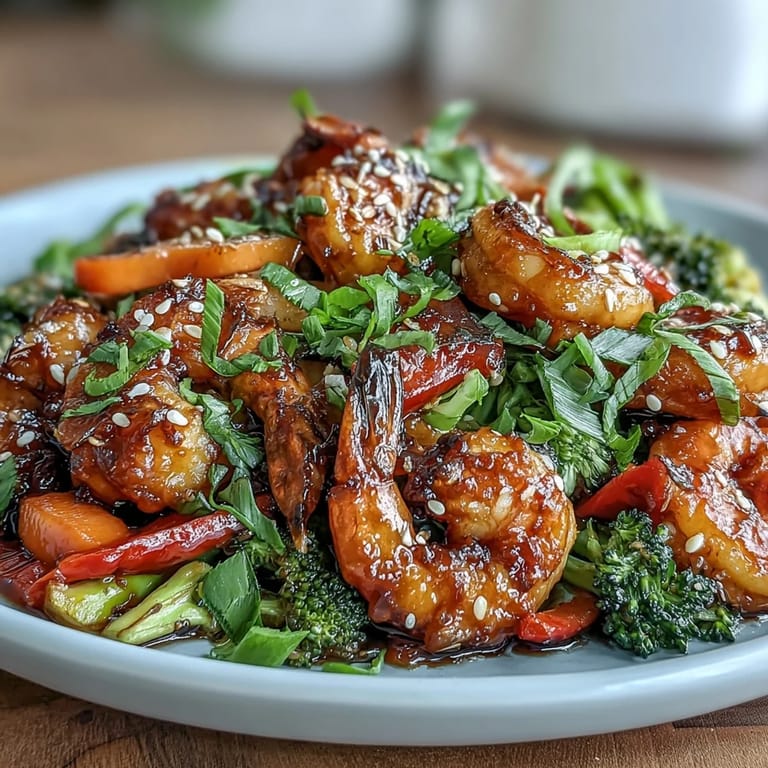
- Heat your wok or skillet over medium-high heat until it's properly hot—you want the shrimp to hit the surface and immediately start changing color. Cook for about 2-3 minutes per side until they're pink and opaque, then pull them out and set them on a clean plate.
- Build layers of flavor with aromatics and vegetables:
- Add a splash more oil if your pan looks dry, then let the garlic and ginger sit for 30 seconds until your kitchen smells incredible. Toss in the bell peppers, carrots, broccoli, and snap peas, stirring constantly for about 3-4 minutes until the vegetables soften slightly but still have that satisfying crunch.
- Bring it all together in one spectacular finish:
- Return the shrimp to the pan, pour in your sauce, and toss everything for 1-2 minutes until the sauce coats everything glossily and everything is heated through. If you used cornstarch, you'll see the sauce thicken into something restaurant-quality looking.
- Serve and celebrate your 20-minute victory:
- Spoon the stir-fry over your waiting cauliflower rice, scatter green onions and sesame seeds on top, and sit down to something that tastes way more complicated than it actually was.
 Pin This
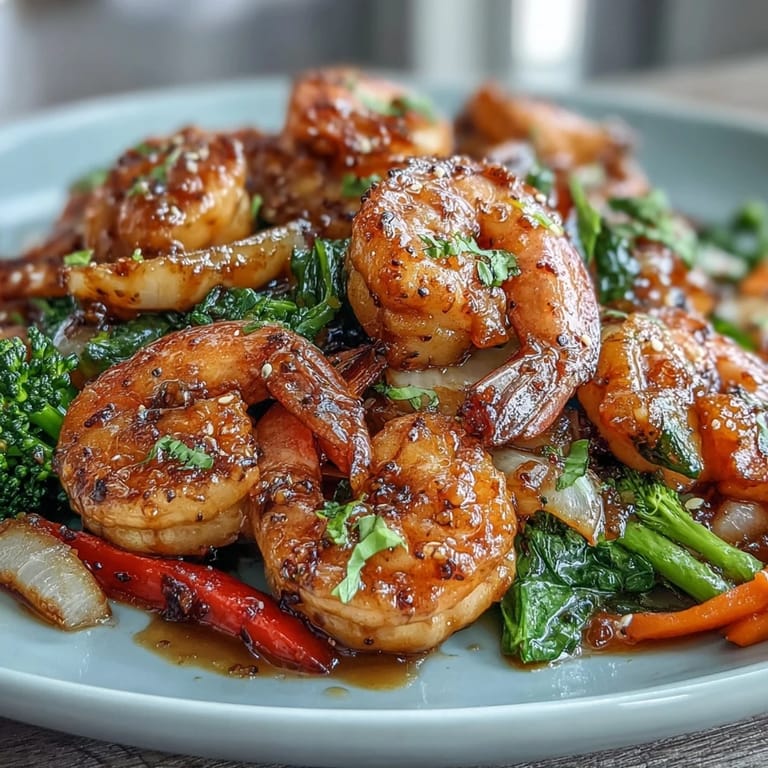
 There's something almost meditative about the rhythm of stir-frying—the sound of vegetables hitting hot oil, the way steam rises, the colors getting brighter as heat brings everything to life. It's one of those rare cooking techniques where you can see exactly what's happening and adjust on the fly.
Why Speed Actually Works Here
The whole 20-minute concept isn't a marketing trick; it's actually how stir-fry is supposed to work. The vegetables stay crisp instead of collapsing into mush, the shrimp doesn't overcook into rubber, and everything retains that fresh, alive quality that makes you feel like you're eating something vibrant rather than something that's been sitting around. My first stir-fry attempt took 45 minutes because I kept second-guessing the heat and stirring too gently—the vegetables turned soft and sad. The second time, I cranked the temperature, trusted the process, and everything changed.
The Cauliflower Rice Secret
Using cauliflower rice instead of regular rice changes the entire equation from heavy comfort food to something that feels indulgent but doesn't leave you sluggish afterward. The 4-5 minute sauté is crucial—it drives off some moisture and lets each tiny piece get slightly golden instead of steaming in a pile of water. If you're hesitant about cauliflower, I'd encourage you to try it at least once; the texture surprised me, and the way it soaks up the stir-fry flavors makes it feel way more intentional than just using it as a substitute.
Customizing Without Losing the Plot
This recipe is genuinely flexible in a way that doesn't require you to memorize new cooking times or ratios. Swap the shrimp for chicken breast chunks, cubed tofu, or tempeh and the cooking approach stays nearly identical—just adjust chicken to 5-6 minutes per side and tofu or tempeh to the same 3-4 minutes. The vegetables are also incredibly flexible; if snap peas aren't calling to you, use bok choy, mushrooms, broccoli rabe, or whatever looks good at your market. Spice levels are completely up to you too—start with the recipe as written, then add chili flakes, sriracha, or hot sauce next time if your taste buds are craving more drama.
- Lime wedges served on the side brighten everything right at the moment you're about to eat, making flavors pop like nothing else.
- If you have access to fresh lemongrass or white miso, a tiny pinch of either one adds complexity that makes people think you spent three hours cooking.
- Meal prep friendly—this actually tastes better the next day after flavors have had time to mingle, though the cauliflower rice is best enjoyed fresh.
 Pin This
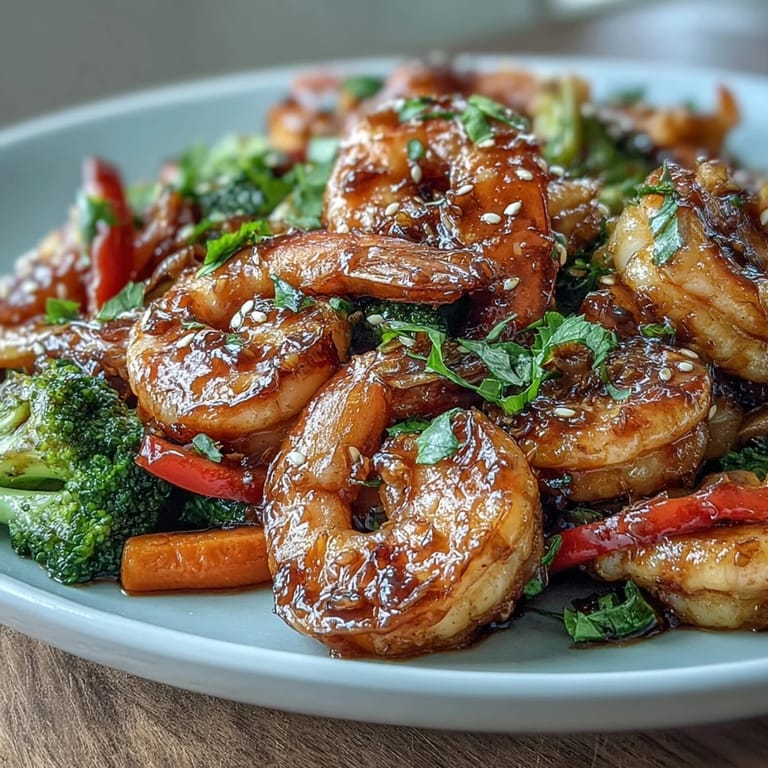
 This is the kind of meal that breaks the false choice between fast food and time-consuming cooking, proving that weeknight dinner can be both quick and genuinely delicious. Once you've made it a few times, it becomes automatic enough that you can cook it while having a conversation or listening to music, which somehow makes everything taste better.
Recipe FAQs
- → Can I use precut vegetables for this stir-fry?
Yes, precut vegetables can save prep time, but fresh produce ensures the best texture and flavor.
- → What is the best way to cook cauliflower rice for this dish?
Sauté the cauliflower rice in a bit of oil over medium heat until tender but not mushy, about 4–5 minutes.
- → How can I make this dish spicier?
Add chili flakes, sriracha, or fresh sliced chilies during the stir-fry for an extra kick.
- → Are there good alternatives to shrimp in this stir-fry?
Chicken breast, tofu, or tempeh can be used as protein substitutes for different dietary preferences.
- → How should the sauce be prepared for even coating?
Whisk soy sauce, sesame oil, rice vinegar, honey, cornstarch, and water before adding to the stir-fry to ensure smooth, even coverage.