 Pin This
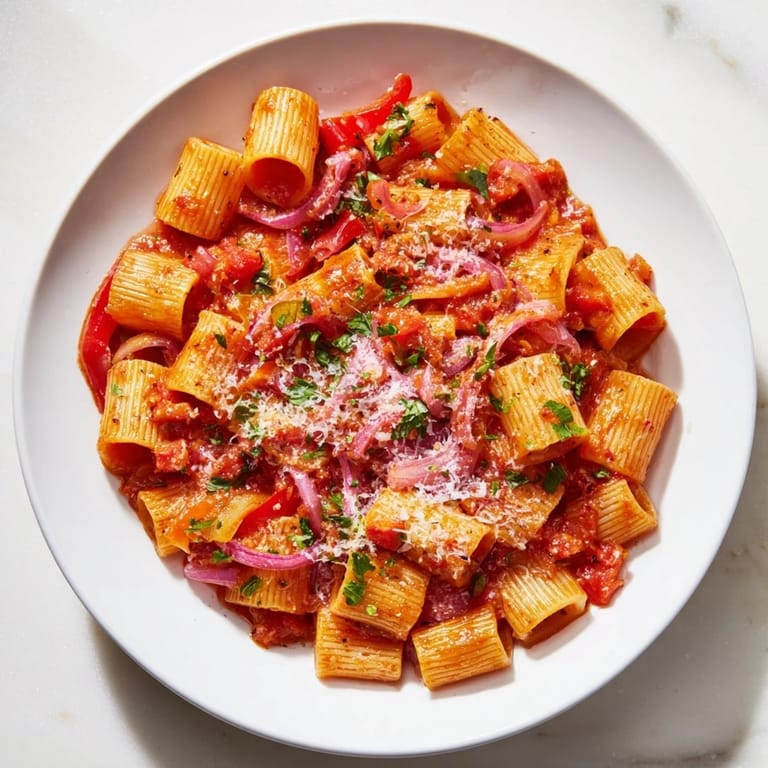
 There's a particular Tuesday evening I won't forget—my partner had just come home tired from work, and I had maybe thirty minutes to pull together something that felt more exciting than the usual weeknight scramble. I remembered a trip to Rome years ago, that first plate of alla Diavola at a small trattoria near the Colosseum, the kind of heat that builds rather than shouts, and I realized I could recreate that magic without spending hours hunched over multiple pans. That one-pot version changed everything about how I cook on busy nights.
I made this for friends last month who weren't expecting much from pasta night, and watching their faces when they tasted that first forkful—that moment when they realized the flavor was actually complex, not just hot—that's when I knew this recipe deserved a permanent spot in rotation. The kitchen smelled incredible too, all that toasted paprika and garlic making everyone lean in before we'd even sat down.
Ingredients
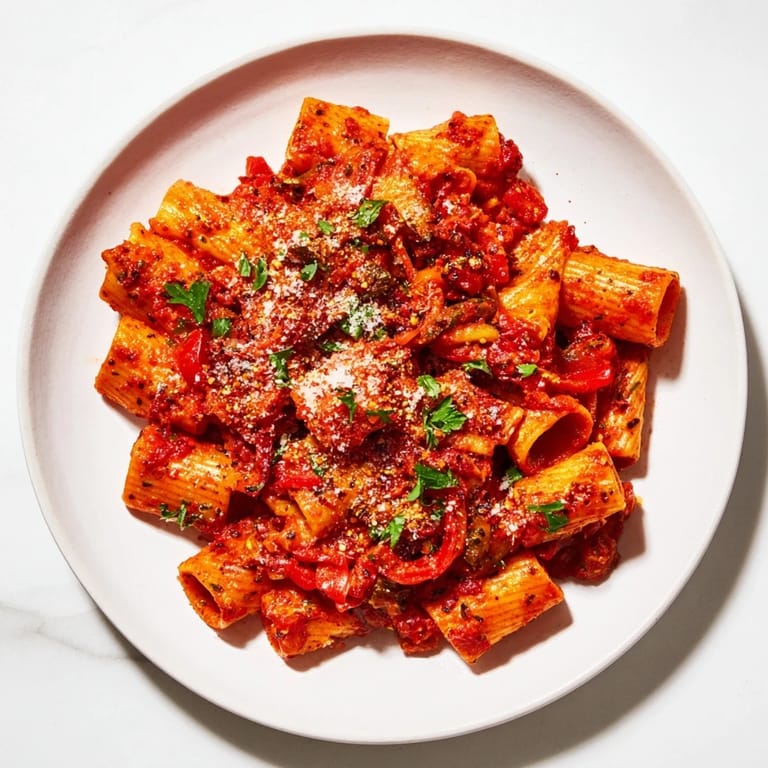
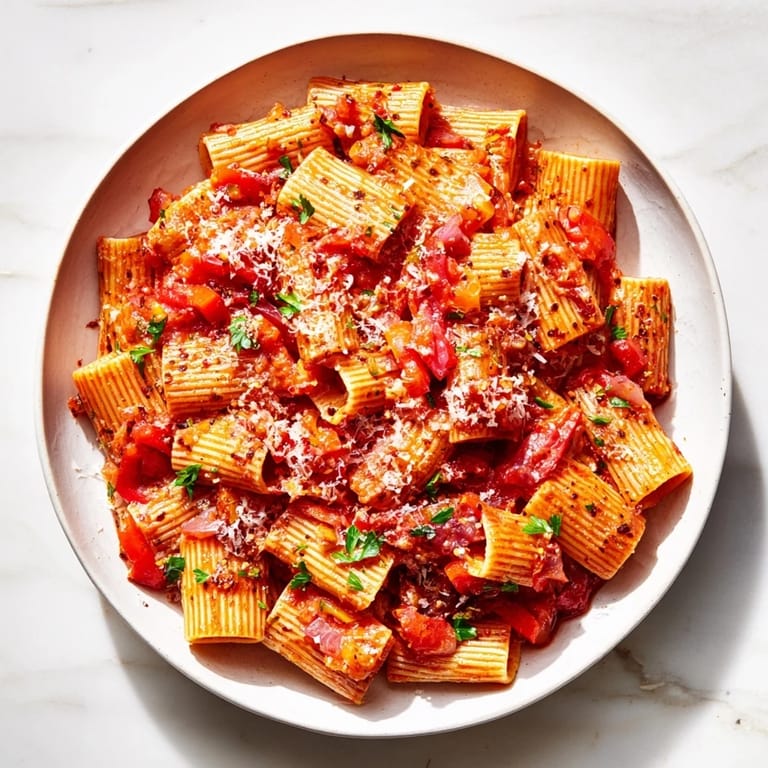
- Penne or rigatoni, 350 g: The tube shapes actually trap that spicy sauce inside, so every bite delivers the full flavor rather than just the edges getting coated.
- Water or vegetable broth, 1 L: The broth becomes your sauce as the pasta cooks; use something good enough to drink because you'll taste every bit of it.
- Red onion, 1 medium: It sweetens slightly as it softens, balancing the heat beautifully—yellow onion works but misses that subtle flavor shift.
- Garlic cloves, 3 minced: Mince them fine so they dissolve into the sauce rather than hanging around as separate bits.
- Red bell pepper, 1 thinly sliced: This adds brightness and slight sweetness that keeps the spice from becoming one-note.
- Canned diced tomatoes, 400 g: I reach for canned because it's consistent and honestly, sometimes canned tomatoes taste better than fresh ones that traveled too far.
- Olive oil, 2 tbsp: Use something you actually enjoy tasting; cheap oil shows up immediately in a simple dish like this.
- Italian seasoning, 2 tsp: This carries the herbaceous notes that make it feel authentically Italian without having to buy five separate jars.
- Crushed red pepper flakes, 1½ tsp: Start here and taste as you go; the heat intensifies as the pasta cooks, so what seems gentle at the beginning builds beautifully.
- Smoked paprika, 1 tsp: Non-negotiable for depth—regular paprika leaves it tasting flat and one-dimensional.
- Salt and black pepper: Taste before you plate; pasta water and broth have varying salt levels.
- Parmesan cheese, 40 g: Freshly grated makes a real difference in how it melts and distributes; the pre-shredded stuff with its anti-caking agents never quite reaches the same finish.
- Fresh parsley or basil, 2 tbsp: The fresh herb at the end cuts through all that richness like a reset button for your palate.
- Lemon zest, ½: Optional but genuinely transformative—it adds brightness that elevates this from good to something people ask you to make again.
Tired of Takeout? 🥡
Get 10 meals you can make faster than delivery arrives. Seriously.
One email. No spam. Unsubscribe anytime.
Instructions
- Get the base started:
- Heat your oil over medium heat and let the onion soften for 2-3 minutes until it starts turning translucent at the edges. You'll hear it sizzle softly; that's exactly the sound you want.
- Build the aromatics:
- Stir in your minced garlic and sliced bell pepper and let them cook for about 2 minutes until the kitchen starts smelling incredible. You're looking for that fragrant moment when the raw edge disappears.
- Combine everything:
- Add your tomatoes with their juices, the dried pasta, your liquid, and all your seasonings at once. Stir it all together really well so nothing's sitting dry at the bottom—this is where everything becomes friends instead of separate ingredients.
- Cook it through:
- Bring everything to a boil, then drop the heat and let it simmer uncovered for 12-14 minutes, stirring every minute or so. The pasta will look scattered at first, then gradually the sauce will thicken as the liquid gets absorbed. You're done when the pasta is tender but still has a little resistance when you bite it.
- Finish and taste:
- Remove from heat and stir in your Parmesan and lemon zest if you're using it. Taste and adjust—add more salt, more heat, or more lemon as your mood dictates.
- Plate and garnish:
- Serve hot with that fresh herb scattered on top and extra Parmesan on the side so everyone can adjust it to their preference.
 Pin This
 My mom tried this version and admitted she'd been making her Italian pasta the complicated way for years when this approach was sitting there the whole time. That was the moment I realized some recipes don't need to announce themselves—they just need to be generous and honest.
The Heat Question
I've learned the hard way that spice isn't about suffering; it's about layering flavors so the heat becomes part of the experience rather than the whole point. That smoked paprika does most of the heavy lifting here, giving you warmth and depth, while the pepper flakes add that sharp edge. Start conservative with the flakes and taste as you cook—you can always add more, but you can't take it back. I've found that people who think they don't like spicy food often love this version because it builds gradually and stays balanced.
Making It Your Own
This recipe is genuinely flexible in the ways that matter. Some nights I use chicken broth instead of vegetable for a deeper flavor, other times I drain and rinse my canned tomatoes to lighten the whole thing up. The vegetables work as templates too—I've used zucchini, mushrooms, or spinach without changing anything else about the method. What matters is that you're working with one pot and about thirty minutes from start to finish, so the actual ingredients become less important than the philosophy of keeping things simple.
Variations and Additions
If you want to add protein, toss in pre-cooked chicken sausage or shrimp in that final minute; they just need warming, not cooking. A vegan version swaps nutritional yeast for Parmesan and uses vegetable broth, and honestly, it's genuinely delicious—the paprika and herbs carry enough weight that you don't miss the cheese. For gluten-free, use gluten-free pasta and add maybe an extra thirty seconds to the cooking time since those brands cook a touch slower.
- Sautéed shrimp stirred in at the end makes this feel like restaurant-quality without the restaurant prices.
- A generous pinch of fresh red chili if you find dried flakes too impersonal.
- Finish with a drizzle of really good olive oil right at the table for a moment of pretentiousness that honestly feels earned.
 Pin This
 This is the kind of recipe that proves you don't need hours or fancy equipment to create something that tastes intentional and delicious. Once you've made it once, it becomes automatic—a weeknight friend you can call on whenever you need something warm and alive on the table.
Recipe FAQs
- → What type of pasta works best?
Penne or rigatoni are ideal as they hold the sauce well and cook evenly in one pot.
- → Can I adjust the spice level?
Yes, modify the amount of crushed red pepper flakes to suit your preferred heat intensity.
- → Is Parmesan necessary?
Parmesan adds savory richness, but nutritional yeast can be used for a vegan alternative.
- → What can I add for more protein?
Sautéed shrimp or sliced cooked chicken sausage can be incorporated just before serving.
- → How do I prevent the pasta from sticking?
Stir frequently as the pasta simmers to keep it from sticking and ensure even cooking.
- → What wine pairing complements this dish?
A crisp Italian white wine like Pinot Grigio balances the spicy and herbaceous notes beautifully.