 Pin This
 I was halfway through a weeknight stir-fry when I realized I'd run out of carrots and had nothing but a lonely swede sitting in the back of the fridge. Instead of panicking, I peeled it into ribbons with my vegetable peeler, tossed them with some gochujang I'd been hoarding, and roasted them until they were sweet and caramelized. The result was so unexpectedly good that I stopped thinking of swede as a boring root vegetable and started seeing it as something capable of real flavor. That night, I served it over rice noodles with a handful of whatever was left in the crisper, and it became one of those accidental wins that you end up making on purpose.
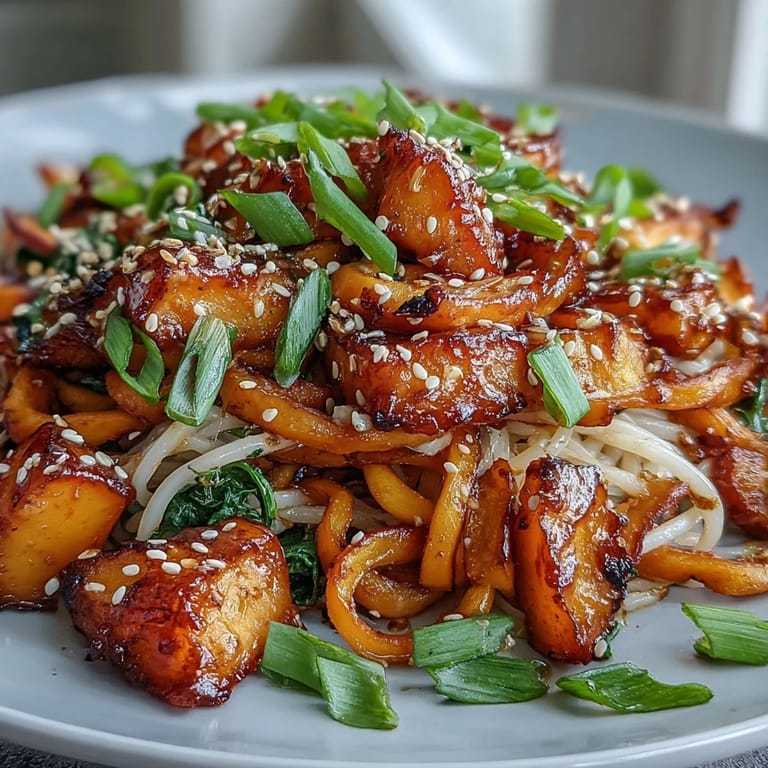
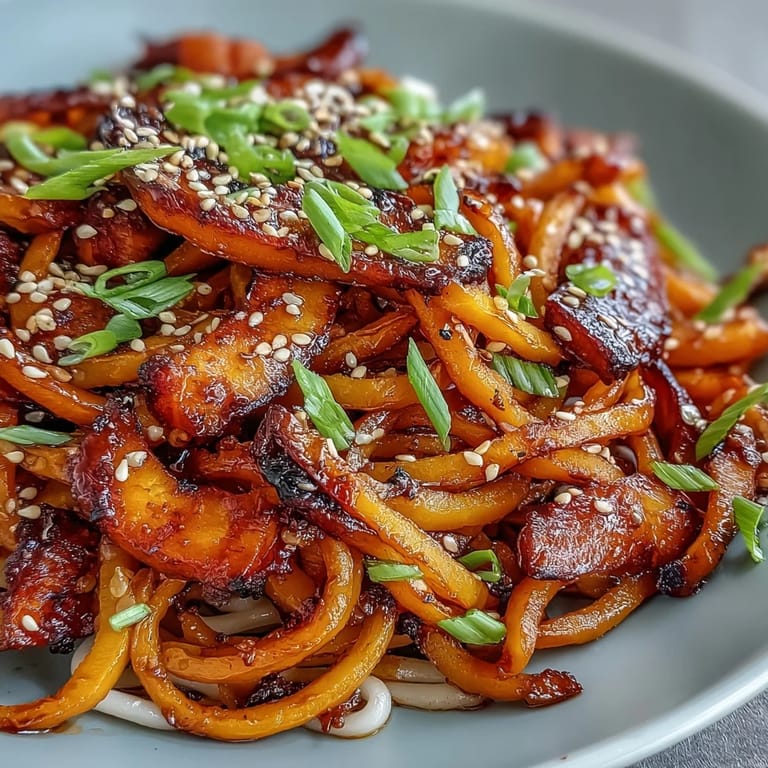
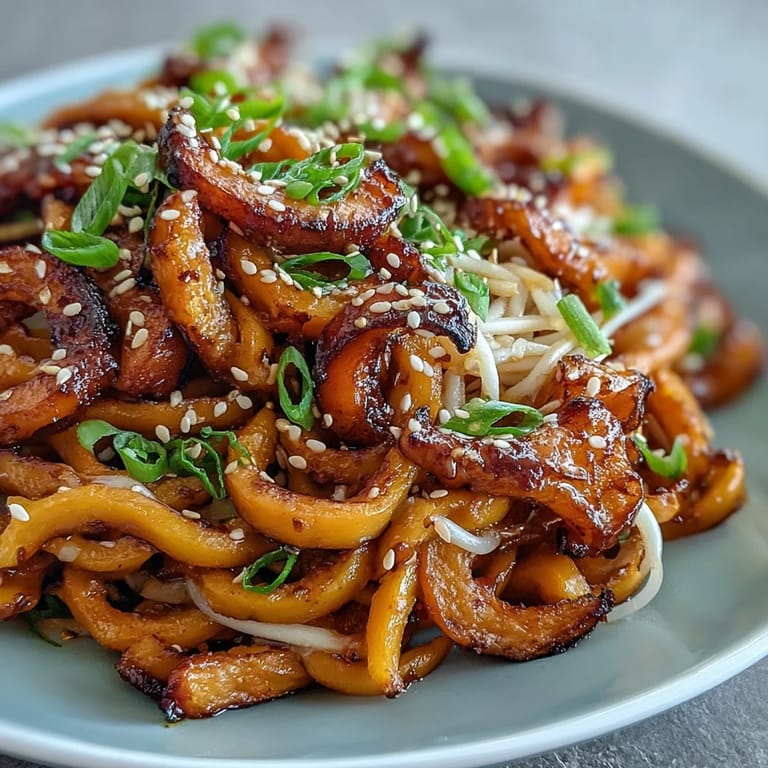
The first time I made this for friends, one of them asked if I'd ordered takeout and plated it myself. The golden swede ribbons looked so glossy under the sesame seeds and cilantro that it was hard to believe they'd come from my oven. I admitted I'd invented it out of desperation, and we all laughed because sometimes the best meals come from making do. Now it's the dish I bring to potlucks when I want to surprise people who think they don't like root vegetables.
Ingredients
- Swede (rutabaga): Choose one that feels heavy for its size and has smooth skin, then peel it thickly to remove any waxy coating before slicing into ribbons.
- Rice noodles: These soak up the dressing beautifully without getting heavy, and they cook in minutes if you don't overthink it.
- Gochujang: This fermented chili paste is the heart of the dish, bringing heat, sweetness, and umami all at once.
- Maple syrup: It balances the heat and saltiness with a gentle sweetness that doesn't taste cloying.
- Toasted sesame oil: A little goes a long way, adding a nutty richness that ties everything together.
- Spring onions: They add a sharp, fresh bite that cuts through the richness of the dressing.
- Sesame seeds: Toast them in a dry pan until they smell nutty and start to pop, it makes all the difference.
- Fresh cilantro: Some people love it, some people hate it, but it adds a bright, herbal finish that I can't imagine skipping.
Tired of Takeout? 🥡
Get 10 meals you can make faster than delivery arrives. Seriously.
One email. No spam. Unsubscribe anytime.
Instructions
- Roast the swede:
- Preheat your oven to 220°C and toss the swede ribbons with oil, salt, and pepper before spreading them out on a baking sheet. Roast for 25 to 30 minutes, flipping halfway through, until the edges are golden and slightly crispy.
- Cook the noodles:
- Boil the rice noodles according to the package instructions, then drain and rinse them under cold water to stop them from sticking. Set them aside while you prepare the dressing.
- Make the dressing:
- Whisk together the gochujang, soy sauce, maple syrup, rice vinegar, sesame oil, garlic, ginger, and chili flakes in a bowl. Add water a tablespoon at a time until it's thin enough to coat the noodles without clumping.
- Toss everything together:
- In a large bowl, combine the roasted swede, noodles, spring onions, carrot, and bean sprouts, then pour the dressing over and toss until every strand is glossy. Serve immediately while the swede is still warm, topped with sesame seeds and cilantro.
 Pin This
 There's something deeply satisfying about watching people take their first bite of this and pause, trying to figure out what vegetable they're eating. Swede doesn't get enough credit, but when you roast it until it caramelizes and toss it with something bold like gochujang, it becomes the kind of ingredient people remember. I've served this to skeptical dinner guests who've left asking for the recipe, and that's when I know a dish has earned its place in my regular rotation.
Making It Your Own
This recipe is forgiving and adaptable, so if you don't have bean sprouts or carrot, try adding thinly sliced bell peppers, snap peas, or even some shredded cabbage. I've also stirred in pan-fried tofu for extra protein, and it soaks up the dressing like a sponge. If you want more heat, double the chili flakes or add a spoonful of sambal oelek to the dressing. The base is solid enough that you can experiment without worrying about ruining it.
Storing and Reheating
Leftovers keep well in the fridge for up to three days, though the noodles will absorb some of the dressing as they sit. When you reheat it, add a splash of water or a drizzle of sesame oil to bring back the glossy texture. I've eaten this cold straight from the fridge on busy mornings, and it's still delicious, even if it's not quite as vibrant as when it's fresh. If you're meal prepping, store the dressing separately and toss everything together just before serving.
Pairing and Serving Suggestions
This dish is hearty enough to stand on its own, but it also works beautifully as a side to grilled proteins or alongside a simple miso soup. I've served it at summer barbecues where it held up surprisingly well next to heavier dishes, and the bright, spicy flavors cut through the richness of grilled meats. If you're drinking wine with it, go for something crisp and slightly sweet like a Riesling, or keep it casual with a cold lager.
- Garnish with extra cilantro and lime wedges for a fresh, zesty finish.
- Add a handful of crushed peanuts or cashews for crunch and richness.
- Serve it in shallow bowls so the dressing pools at the bottom and every bite stays saucy.
 Pin This
 This is the kind of meal that reminds you how much flavor you can coax out of simple ingredients when you're willing to try something new. I hope it surprises you the way it surprised me.
Recipe FAQs
- → Can I substitute swede with another vegetable?
Yes, you can use sweet potato, butternut squash, or daikon radish as alternatives. Adjust roasting time based on the vegetable's density and moisture content.
- → How spicy is this dish?
The heat level is moderate, primarily from the gochujang paste. You can reduce the gochujang or omit the optional chili flakes for a milder version, or add more for extra kick.
- → Can I make this ahead of time?
The roasted swede and dressing can be prepared up to 2 days ahead and stored separately in the refrigerator. Cook noodles fresh and toss everything together just before serving for best texture.
- → What type of gochujang should I buy?
Look for authentic Korean gochujang in Asian grocery stores or well-stocked supermarkets. Check labels for gluten-free versions if needed, as some brands contain wheat.
- → How do I cut swede into ribbons?
Use a vegetable peeler for wide ribbons or a mandoline slicer for uniform thin strips. Alternatively, julienne by hand using a sharp knife for matchstick-sized pieces.
- → Can I add protein to this dish?
Absolutely! Pan-fried tofu, tempeh, edamame, or grilled chicken work excellently. Add cooked protein when tossing with the dressing for even coating.