 Pin This
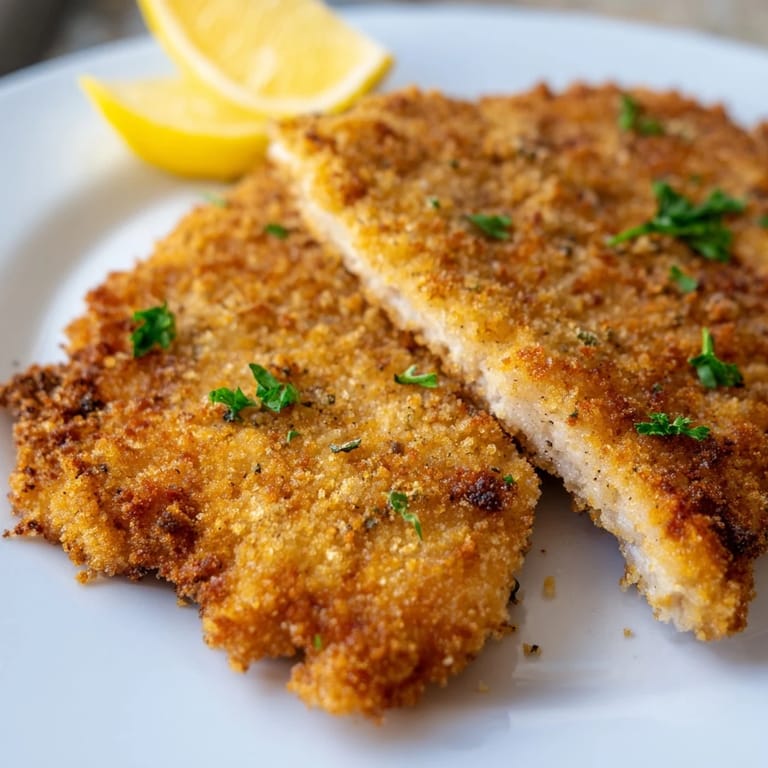
 There's something about the sound of meat hitting a cutting board that signals dinner is happening. I learned to make schnitzel one afternoon when my neighbor handed me a pork chop and said, "watch this," then proceeded to pound it paper-thin with casual confidence. The whole process takes barely half an hour, but somehow it feels like you're doing something impressive—and honestly, that's part of the magic.
I made this for my family on a Tuesday night when everyone was tired and hungry, and somehow the simplicity of it—crispy, hot, ready in minutes—made everyone relax at the table. My dad asked for seconds and said it reminded him of restaurants we used to visit. That's when I realized this isn't fancy food; it's the kind of cooking that brings people together without fuss.
Ingredients
- Boneless pork chops or chicken breasts (about 150 g each): The thickness matters more than the cut—pound them down to a quarter-inch and they cook evenly and stay incredibly tender. Pork is traditional and forgiving; chicken is leaner if that's your preference.
- All-purpose flour (100 g): This is your first layer of crunch and helps everything stick together. Don't skip it or the coating will look patchy.
- Eggs (2 large) and milk (2 tbsp): This mixture is the glue that holds your breadcrumbs in place; the milk just thins it enough to coat evenly without clumping.
- Fine dry breadcrumbs (150 g): Fine breadcrumbs give you that delicate, even crust. The panko-style stuff is too chunky and will look uneven.
- Vegetable oil or clarified butter (120 ml): Clarified butter is traditional and tastes incredible, but vegetable oil works fine if that's what you have. The high heat matters more than which one you pick.
- Salt and freshly ground black pepper: Season aggressively both before and after breading—don't be shy here.
- Lemon wedges and fresh parsley: These aren't optional garnishes; they're the final note that makes each bite bright and complete.
Tired of Takeout? 🥡
Get 10 meals you can make faster than delivery arrives. Seriously.
One email. No spam. Unsubscribe anytime.
Instructions
- Pound your meat thin:
- Place each piece between two sheets of plastic wrap to avoid splatters everywhere. Use firm, even strokes with a meat mallet or the bottom of a rolling pin until the meat is about a quarter-inch thick—this is where the magic starts, because thin meat means it cooks through before the coating burns.
- Season generously:
- Salt and pepper both sides now, while the meat is still cold and you can see what you're doing. This first seasoning layer is crucial; don't wait until after breading.
- Set up your breading station:
- Arrange three shallow plates in a line: flour, then beaten eggs mixed with milk, then breadcrumbs. Having everything ready means you won't fumble around with wet hands trying to grab things.
- Bread each cutlet:
- Dredge in flour first, shake off excess so it's not gloopy, then dip into the egg mixture, letting excess drip off, then coat in breadcrumbs and press very gently to help them stick. The key is gentle pressing—over-press and you'll squish out the air pockets that make it crispy.
- Heat your oil properly:
- Get it hot enough that a breadcrumb dropped in sizzles immediately, but not so hot it smokes. Medium-high heat usually works; you're aiming for golden brown in about two to three minutes per side.
- Fry with confidence:
- Once the cutlet hits the oil, don't move it around—let it sit and develop that beautiful golden crust. Flip only once, and if you're doing multiple batches, don't crowd the pan or the temperature drops and they steam instead of fry.
- Drain and serve fast:
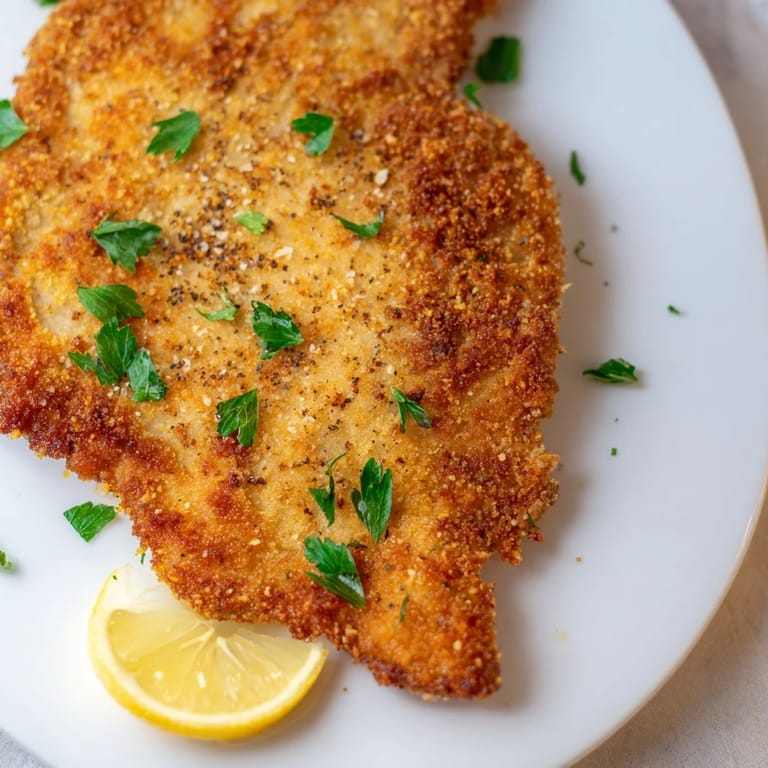
- Transfer to a paper towel-lined plate for just a minute—long enough to shed excess oil, but serve it while it's still crackling. Cold schnitzel is nobody's dream.
 Pin This
 One evening a friend brought her kids over and they watched the whole process—the pounding, the setup, the sizzle—and then demolished their plates without a word. That moment when food is so good that it stops conversation, even with kids, that's when you know you've nailed something fundamental.
Why This Dish Is Actually Forgiving
Schnitzel doesn't demand perfection, which is partly why it's stayed a classic for so long. If your coating is slightly uneven, it still tastes great. If one batch is slightly darker than another, nobody minds. The technique is straightforward enough that once you've done it once, your hands remember it. It's one of those recipes where confidence matters more than precision.
What to Serve It With
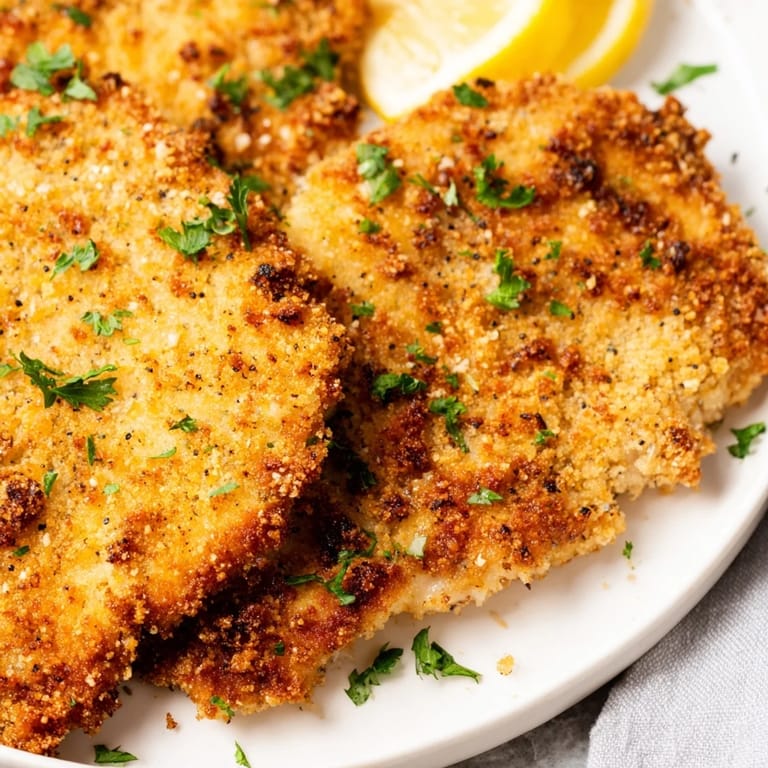
Germans traditionally serve this with potato salad—the warm, vinegary kind—or a crisp cucumber salad that cuts through the richness. Some places serve it with fries and call it a celebration. The point is contrast: something cold and sharp, something warm and filling, and your schnitzel holding court in the middle. A squeeze of lemon over the top ties everything together and makes the whole plate taste lighter and brighter than you'd expect.
The Beverage Question
If you're drinking something with this, lean toward crisp and clean. A dry German Riesling is classic and lovely, but honestly, a cold pilsner beer might be even better—something about the carbonation and slight bitterness just completes the picture. Even a sparkling apple cider works if you're not drinking alcohol. The point is to have something that refreshes between bites rather than something heavy that competes with the schnitzel.
- A dry white wine cuts through the richness without overpowering the delicate meat.
- Beer is never wrong here, especially something light and crisp.
- Non-alcoholic options like sparkling cider or even just cold lemon water work perfectly fine.
 Pin This
 This is the kind of recipe that proves you don't need complexity or exotic ingredients to make something that feels special and tastes incredible. Make it once and you'll find yourself making it again.
Recipe FAQs
- → What type of meat is used for schnitzel cutlets?
Boneless pork chops or chicken breasts are ideal, pounded thin for even cooking and tender texture.
- → How do I achieve a crispy crust on the cutlets?
Coat the cutlets evenly in flour, dip in a milk-egg mixture, then cover with fine dry breadcrumbs without pressing too firmly before frying.
- → What fat is best for frying schnitzel?
Vegetable oil or clarified butter (Butterschmalz) works well to achieve a golden, crispy exterior and rich flavor.
- → How should schnitzel be served for authenticity?
Serve immediately with lemon wedges and fresh parsley, alongside traditional sides like potato or cucumber salad for balanced flavors.
- → Can I substitute veal for pork or chicken?
Yes, using veal transforms the dish into a Wiener Schnitzel, a more traditional variant enjoyed in German cuisine.