 Pin This
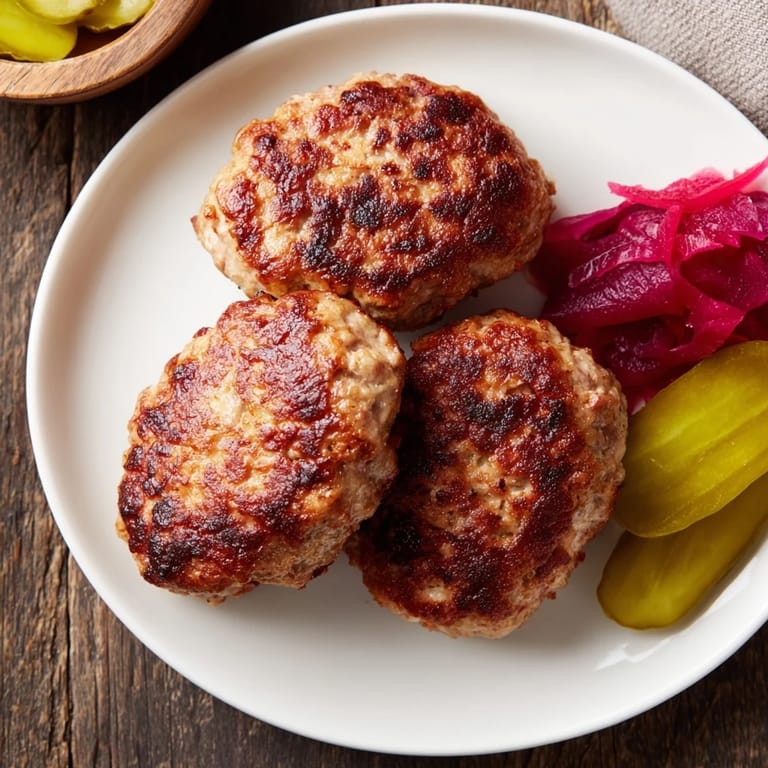
 My neighbor Henrik taught me these frikadeller on a gray Copenhagen afternoon when I was convinced that all meatballs tasted the same. He pulled out a worn notebook filled with his mother's handwriting, grated an onion into a bowl with the kind of confidence that comes from decades of repetition, and said simply: the milk makes them tender. Twenty minutes later, I was eating something that changed my understanding of what a meatball could be—soft inside, golden outside, nothing like the dense hockey pucks I'd been making.
I made these for my partner's family dinner without telling them they were Danish, just set them on the table next to rye bread and pickles. Three people asked for seconds before anyone noticed they weren't what they expected. That moment—watching someone's face when food surprises them—is when I knew this recipe belonged in my regular rotation.
Ingredients
- Ground pork (500 g): The foundation—choose meat with a little fat, not the leanest cut, because that's where the flavor lives and what keeps these tender.
- Onion (1 small, finely grated): Grating rather than mincing releases the onion's liquid, which distributes flavor evenly throughout the meat and adds moisture.
- Egg (1): The binder that holds everything together without making the texture heavy or dense.
- Whole milk (100 ml): This is the revelation—the breadcrumbs drink it up and create a paste that stays tender even as the meatballs brown.
- Breadcrumbs (60 g): Plain breadcrumbs work best; they're like tiny sponges waiting to absorb the milk and keep the meatballs from becoming rubbery.
- Salt (1 tsp) and black pepper (½ tsp): Season generously because the milk and bread will dilute flavors slightly.
- Ground allspice (½ tsp, optional): The Danish touch that whispers rather than shouts—if you skip it, you still have a great meatball, but this spice adds warmth and authenticity.
- Butter and oil (2 tbsp butter, 1 tbsp neutral oil): The combination of butter and oil prevents the butter from burning while it browns the meatballs to golden perfection.
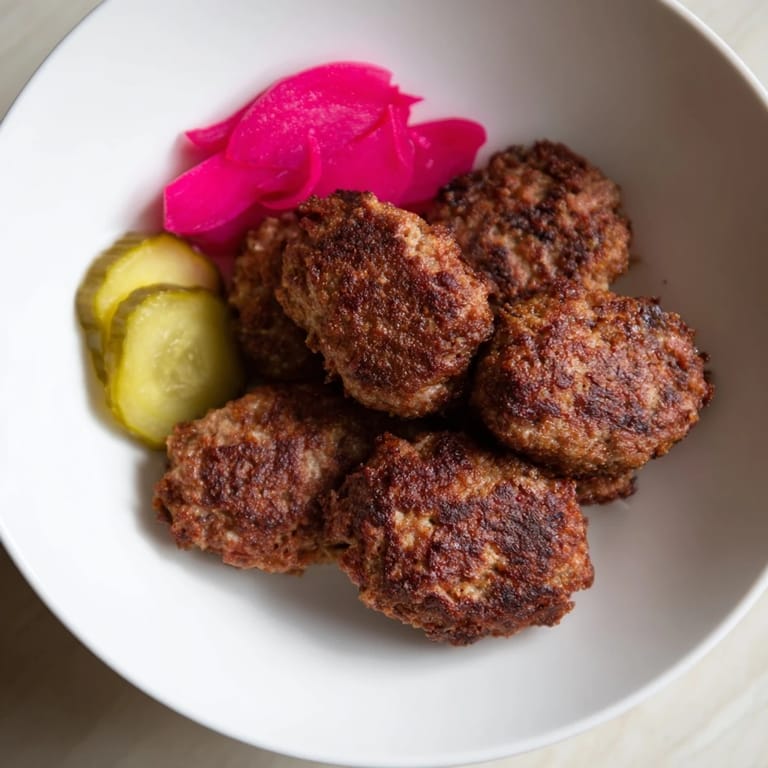
- Danish pickles: Essential for serving—the sharp tang cuts through the richness and makes every bite taste bright.
Tired of Takeout? 🥡
Get 10 meals you can make faster than delivery arrives. Seriously.
One email. No spam. Unsubscribe anytime.
Instructions
- Mix and rest the meat:
- Combine the pork, grated onion, egg, milk, breadcrumbs, salt, pepper, and allspice in a large bowl. Mix with your hands until the mixture is cohesive and sticky, then let it rest for 10 minutes—this pause lets the breadcrumbs fully absorb the milk, which is when the magic happens.
- Shape with wet hands:
- Wet your hands with cold water (this prevents sticking), then shape the mixture into oval or slightly flattened rounds about the size of a golf ball, making 12 to 14 pieces total. They don't need to be perfect—slightly irregular shapes actually brown more beautifully.
- Heat the pan properly:
- Place a large skillet over medium heat and add the butter and oil together, letting them melt and foam for about a minute. The pan is ready when you can feel the heat radiating from it and a small piece of the mixture sizzles immediately on contact.
- Fry in batches:
- Working in batches so you don't crowd the pan, place the meatballs in the hot fat and gently flatten each one slightly with a spatula—this increases the golden surface area. Fry for 4 to 5 minutes on the first side until deep golden, then flip and cook the second side for another 4 to 5 minutes until cooked through.
- Rest and serve:
- Transfer the finished frikadeller to a plate lined with paper towels to absorb excess fat, then serve hot with pickles, rye bread, and potatoes if you like.
 Pin This
 There's something about these meatballs that turns a simple Tuesday night into something worth remembering. Maybe it's the way the pickles cut through the richness, or the quiet satisfaction of knowing you made something authentically Danish with your own hands.
Why the Milk-and-Breadcrumb Method Works
Most meatball recipes ask you to soak breadcrumbs in milk, and most cooks rush through this step thinking it doesn't matter much. But the milk is what transforms breadcrumbs from a dry filler into a moisture-retaining paste that keeps the meat impossibly tender even as it cooks. The longer the breadcrumbs soak, the more milk they absorb, and the softer and more delicate your finished meatballs become. This is why Danish frikadeller have such a different texture from their Swedish or Italian cousins—it's not just the spices, it's this fundamental approach to keeping meat moist.
Serving Suggestions That Matter
The pickles aren't just a side condiment; they're essential to the experience. The acidity and crunch wake up your palate between bites and balance the richness of the fried meat. Rye bread is traditional because its slight sourness and dense texture complement the frikadeller perfectly, though boiled potatoes work just as well if you want something warmer and heartier. I've also served these with creamy potato salad and they disappeared just as fast—the cool, tangy potato salad offers a different kind of contrast that's equally satisfying.
Small Tweaks That Make a Difference
If you want a lighter, more delicate texture, substitute half the pork with ground veal—you'll notice the difference immediately in how tender they are, though the flavor becomes slightly more subtle. Allspice is optional, but it's the spice that makes these unmistakably Danish rather than generic, so if you can find it, use it. Some cooks add a pinch of nutmeg too, and while it's not traditional, a tiny amount brings a warmth that deepens the savory notes.
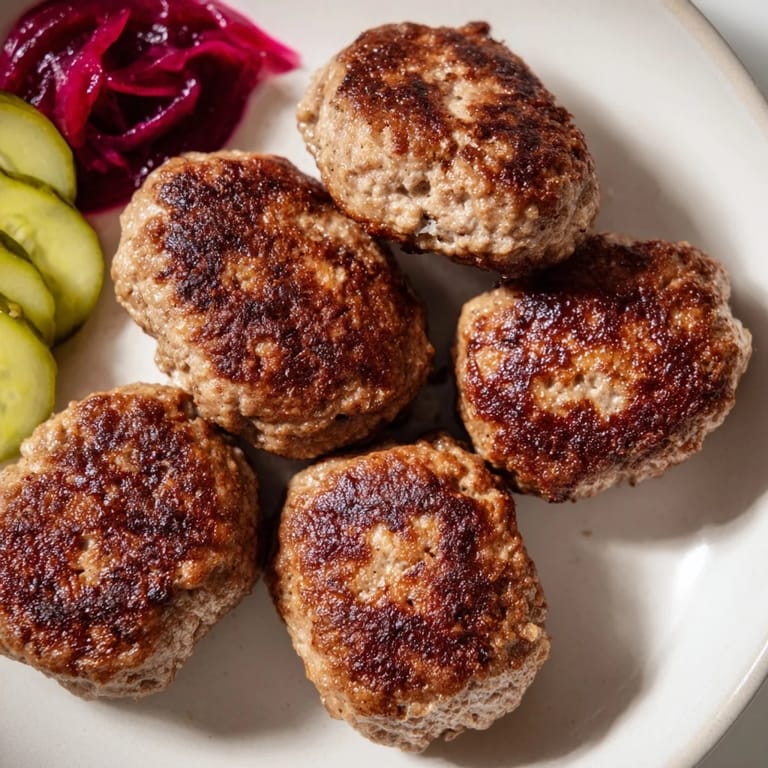
- Flatten the meatballs slightly as they fry—this creates more golden surface area and shortens the cooking time so the outside crisps before the inside overdries.
- Let the mixture rest even if you're in a hurry; it's the difference between tender meatballs and ones that crumble or fall apart.
- Serve them hot straight from the pan for the best texture, though they're also delicious at room temperature with pickles if you're planning leftovers.
 Pin This
 These meatballs are proof that the best food doesn't need to be complicated, just made with attention and a little care. Make them once and they'll become something you return to again and again.
Recipe FAQs
- → What type of meat is used in these Danish meatballs?
The meatballs primarily feature ground pork, which can be mixed with veal for a lighter texture and richer flavor.
- → How should the meatballs be shaped before cooking?
Shape the mixture into oval or round forms about the size of a golf ball to ensure even cooking and a traditional appearance.
- → What cooking fat is recommended for frying?
A combination of unsalted butter and neutral oil is used to achieve a golden crust without burning.
- → What side options complement the meatballs?
Serve with tangy Danish pickles, rye bread, or boiled potatoes for a well-rounded and classic pairing.
- → Can allspice be omitted from the mixture?
Yes, allspice is optional and can be left out if a milder flavor is desired.