 Pin This
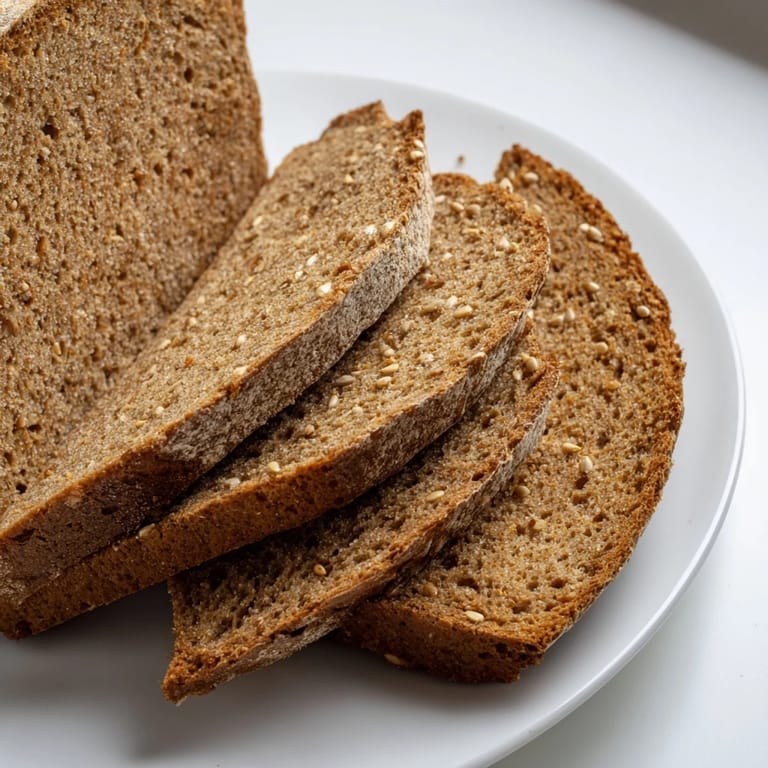
 My first encounter with rupjmaize came during a grey Baltic winter when my grandmother pulled a dense, dark loaf from her oven, the kitchen suddenly filling with the smell of molasses and caraway that seemed to warm the air itself. She sliced it thick, spread butter across the still-warm bread, and I realized that day that this wasn't just bread—it was an edible history of Latvia, each bite grounding and substantial in a way soft white bread could never be. Years later, I found myself recreating that exact loaf in my own kitchen, chasing that same aromatic magic, and finally understanding the patience this bread demands and rewards.
I made this bread for the first time to impress a friend who'd just returned from Riga, and watching her face when she tasted it—that moment of recognition, of home—made me understand why certain recipes get passed down through generations instead of being forgotten.
Ingredients
- Dark rye flour (500 g): This is the soul of the bread; it's heavier and earthier than wheat flour, giving rupjmaize its characteristic dense crumb and subtle tang that develops during the long fermentation.
- Bread flour (100 g): Just enough to give the dough structure and help it rise, balancing the rye's weight without making it light.
- Active dry yeast (1 packet): The long, cool rise means you can use less yeast than usual—it has all night to work its magic slowly.
- Warm water (350 ml): Temperature matters here; too hot kills the yeast, too cold and it won't wake up, so aim for that gentle warmth.
- Molasses or dark honey (2 tbsp): This isn't just sweetness—it adds color, depth, and feeds the yeast, creating a more complex flavor than sugar ever could.
- Salt (2 tsp): It strengthens the gluten and brings out the bread's deep flavors, so don't skip it or reduce it thinking it'll be too salty.
- Caraway seeds (2 tsp): These tiny seeds are the fingerprint of authentic Latvian bread; their warm, slightly peppery note is unmistakable and essential.
- Vegetable oil (1 tbsp plus extra): Keeps the dough from sticking without toughening it, and helps achieve that tender crumb inside the thick crust.
Tired of Takeout? 🥡
Get 10 meals you can make faster than delivery arrives. Seriously.
One email. No spam. Unsubscribe anytime.
Instructions
- Waking the yeast:
- Combine your warm water, molasses, and yeast in a large bowl and let it sit for 10 minutes until it becomes foamy and alive. You'll see the surface bubble and smell something faintly sweet—that's your signal that fermentation has begun.
- Building the dough:
- Stir in both flours, salt, and caraway seeds, mixing with a wooden spoon until a shaggy, sticky mass forms. Don't panic if it looks wetter than other bread doughs; rye bread wants to be this way.
- Kneading into elasticity:
- Drizzle in the oil and knead for 5 to 7 minutes by hand or with a dough hook until the dough becomes smooth and elastic, though still sticky. You're developing gluten structure that will help trap the fermentation gases and create that signature dense, moist crumb.
- The long, patient rise:
- Shape into a ball, place in an oiled bowl, cover with plastic wrap or a damp towel, and let it rest at room temperature for 12 to 16 hours overnight. This slow fermentation is where the magic happens—flavors deepen, the dough becomes more extensible, and your kitchen will smell incredible by morning.
- Shaping the loaf:
- Punch down the dough gently, transfer to a lightly floured surface, and shape into a round or oval loaf that feels right in your hands. Place it on parchment paper or in a greased loaf pan, then cover and let it rise for another 45 to 60 minutes until it looks puffy and spring-ready.
- Preparing for the oven:
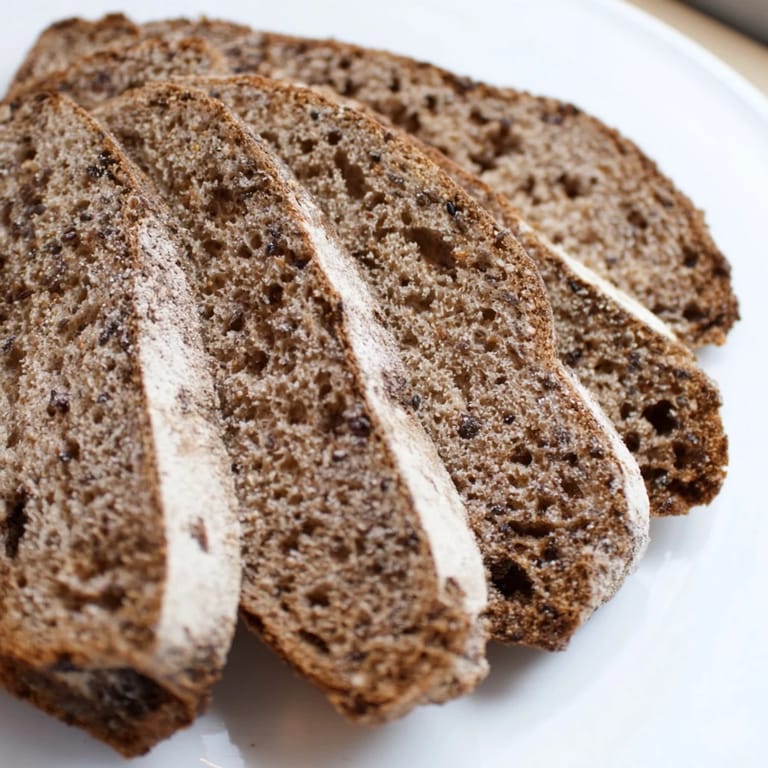
- Preheat your oven to 220°C (425°F) while the loaf finishes rising. Dust the top generously with rye flour and, if you're feeling confident, score the surface with a sharp knife—these marks will guide where the bread breaks open as it bakes.
- Baking until deep and golden:
- Bake in the center of the oven for 45 to 50 minutes, until the loaf is deeply browned and sounds hollow when you tap the bottom. The thick crust will crackle slightly as it cools, and the aroma will fill your entire home.
- Cooling with patience:
- Remove the loaf from the oven and let it cool completely on a wire rack before slicing. This allows the interior to set properly; cutting into warm bread will make it gummy, so resist the urge and give it time.
 Pin This
 There's something humbling about baking this bread, about honoring the patience it asks for and the traditions it carries. When that first slice hits the toaster and the warmth releases the caraway and molasses, you understand why this recipe has survived centuries.
Why Caraway Seeds Matter So Much
Caraway is the heartbeat of rupjmaize, and many people skip it thinking they can get away with it—they can't. These seeds bring a warmth that's almost peppery, a complexity that makes you pause and taste thoughtfully rather than just eat mindlessly. If you can, lightly toast them in a dry pan for a minute before adding to the dough; the heat wakes their oils and makes their flavor sing even louder.
The Science of the Long Rise
Overnight fermentation does something that rushing can't replicate: it allows wild yeast and bacteria naturally present in rye flour to interact with the commercial yeast, creating subtle sourness and depth. It also gives gluten time to develop without aggressive kneading, which means less work for you and better results. The slow, cool rise is also forgiving—your bread won't over-ferment in an 8-hour window the way it would in a warm kitchen with a 2-hour rise.
Serving and Storage Wisdom
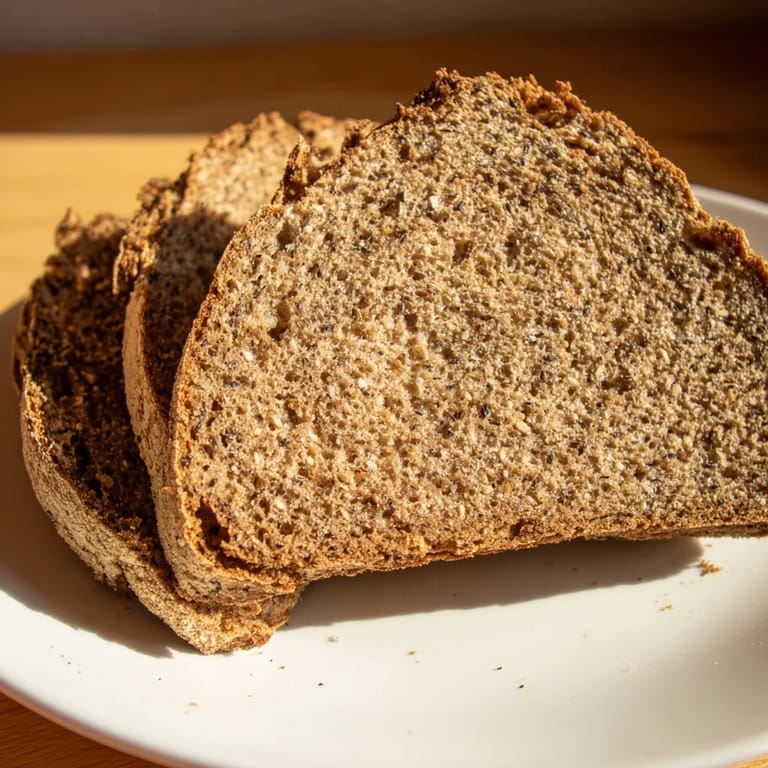
This bread is boldest when toasted and spread with salted butter, or torn into chunks to soak up the broth from a heavy stew. It's also stunning alongside smoked fish or sharp cheeses that stand up to its assertive flavor. Slice before freezing so you can toast individual slices directly from the freezer whenever hunger strikes, and know that it stays fresh longer than most breads because of its density and low water activity.
- For nuttier caraway flavor, toast the seeds lightly in a dry skillet before stirring them into the dough.
- If your kitchen is very warm, the overnight rise might finish in 10 to 12 hours instead of 16, so check after 10 hours rather than waiting blindly.
- The hollow tap test is your best friend—it tells you the loaf is fully baked inside even if the crust looks dark.
 Pin This
 Rupjmaize is a bread that rewards respect and patience, giving back flavors and textures that store-bought bread simply cannot. Make it once and you'll understand why Latvians have been passing this recipe down for generations.
Recipe FAQs
- → What makes Latvian rye bread distinct?
Its dense crumb, deep flavor from dark rye flour, and the aromatic addition of caraway seeds set it apart.
- → How long should the dough rise?
First rise takes 12–16 hours at room temperature for full fermentation; a second rise lasts 45–60 minutes after shaping.
- → Can caraway seeds be toasted before adding?
Yes, lightly toasting the seeds enhances their nutty aroma and flavor in the loaf.
- → What is the ideal baking temperature?
Bake at 220°C (425°F) until a deep brown crust forms and the loaf sounds hollow when tapped.
- → How should the bread be stored?
Store sliced bread frozen to maintain freshness; toast slices straight from the freezer as needed.
- → What foods complement this bread well?
Salted butter, smoked fish, and hearty stews enhance its robust flavor and texture.