 Pin This
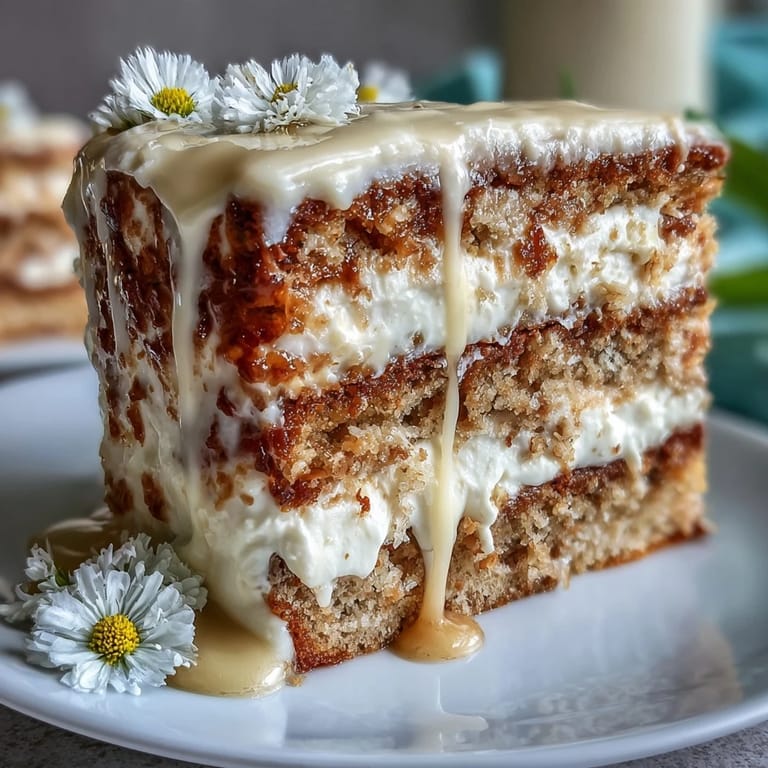
 Last spring, my neighbor brought over a cake that stopped everyone mid-conversation—not because it was fancy, but because it looked like someone had gathered sunshine and flowers onto a plate. The layers were naked, showing off those golden crumbs, and the brightness of the lemon curd against the cream made people reach for seconds before trying the first bite. I spent that afternoon pestering her for the recipe, and when she finally wrote it down on the back of an old envelope, I realized this wasn't some intimidating bakery secret—it was just careful attention to a few good things done right.
I made this for my sister's baby shower last April, and watching people's faces when they saw it sitting on the dessert table was worth every minute of prep. One guest actually gasped—actually gasped—and asked if I'd ordered it from somewhere. The confession that I'd made it myself sparked this beautiful moment where everyone suddenly wanted to know how, and somehow the cake became less about the eating and more about that shared sense of accomplishment.
Ingredients
- All-purpose flour (2 1/2 cups): The foundation of your sponge, measured by weight for consistency since those cake layers need to rise evenly without being dense.
- Baking powder and baking soda (2 tsp and 1/2 tsp): Work together to lift the cake gently—too much and you get tunnels, too little and it sits flat.
- Salt (1/2 tsp): Amplifies the lemon without making anything taste salty, a kitchen trick I learned the expensive way.
- Unsalted butter (1 cup plus 1/2 cup for curd): Room temperature butter creams into sugar like it's supposed to, creating tiny air pockets that make the cake tender.
- Granulated sugar (1 3/4 cups plus 3/4 cup for curd): Dissolved into the butter first, then it helps the cake rise and keeps it moist.
- Eggs (4 large, room temperature): Cold eggs won't incorporate smoothly, so pull them out an hour before you start—this genuinely matters.
- Vanilla extract (2 tsp plus 1 tsp for cream): A quiet flavor that doesn't announce itself but makes everything taste more like itself.
- Buttermilk (1 cup): The acidity reacts with the baking soda to create lift, and it keeps the cake impossibly tender.
- Lemon zest and juice: Use fresh lemons only—bottled juice tastes thin and tired by comparison, and the zest needs to be bright and fragrant.
- Heavy cream (2 cups): Cold from the refrigerator, beaten until it holds a shape but doesn't turn into butter.
- Powdered sugar (1/3 cup): Dissolves into cream smoothly, unlike granulated sugar which stays grainy.
- Edible flowers (1–2 cups): Buy from specialty grocers or farmers markets where you know they're pesticide-free, or grow your own pansies and nasturtiums.
Tired of Takeout? 🥡
Get 10 meals you can make faster than delivery arrives. Seriously.
One email. No spam. Unsubscribe anytime.
Instructions
- Set your stage:
- Preheat the oven to 350°F and grease three 8-inch round pans with parchment circles—this prevents sticking and makes unmolding effortless. Pull your eggs and buttermilk out of the fridge now so they reach room temperature while you prepare everything else.
- Combine your dry ingredients:
- Whisk flour, baking powder, baking soda, and salt in a bowl, breaking up any small lumps with the back of your whisk. Sifting isn't strictly necessary, but whisking incorporates air and ensures even distribution of the leavening agents.
- Cream butter and sugar:
- Beat softened butter and sugar together until the mixture looks pale and fluffy, about three minutes—you'll see it lighten in color and feel lighter when you lift the beaters. This step creates the structure that holds your cake up.
- Add eggs one at a time:
- After each egg, beat for about thirty seconds before adding the next one, making sure each is fully incorporated before the new one goes in. This gradual approach keeps the batter emulsified and smooth.
- Mix in vanilla and lemon zest:
- Stir these in quickly, just until you see the zest distributed throughout the butter mixture. You want those little flecks visible—they're your promise of flavor.
- Alternate wet and dry in three additions:
- Start with flour, then buttermilk, then flour again, ending with flour—this pattern prevents the batter from becoming thin or overmixed. Stir after each addition just until the streaks disappear, then stop.
- Fill and bake:
- Divide batter evenly among your three pans, smooth the tops with an offset spatula, and slide them into the oven together. Bake for 25–30 minutes until a toothpick inserted in the center comes out clean and the tops feel lightly springy.
- Cool and unmold:
- Let cakes sit in their pans for exactly ten minutes—this sets the structure enough to flip them without falling apart. Turn them out onto wire racks and let them cool completely before assembly, which takes about an hour.
- Make lemon curd in a water bath:
- Set a heatproof bowl over simmering water, add lemon juice, zest, sugar, and egg yolks, and whisk constantly for 8–10 minutes until it thickens enough to coat the back of a spoon. The steam heats gently without scrambling the eggs, which is why this method matters.
- Add butter and cool:
- Remove from heat and whisk in cubed butter until completely smooth and silky, then transfer to a clean bowl and press plastic wrap directly onto the surface. This prevents a skin from forming and lets it cool to room temperature, about thirty minutes.
- Whip your cream:
- Pour cold heavy cream into a chilled bowl, add powdered sugar and vanilla, and beat on medium-high speed until stiff peaks form. Watch it carefully—it goes from perfect to accidentally churned butter in about thirty seconds if you're distracted.
- Assemble with intention:
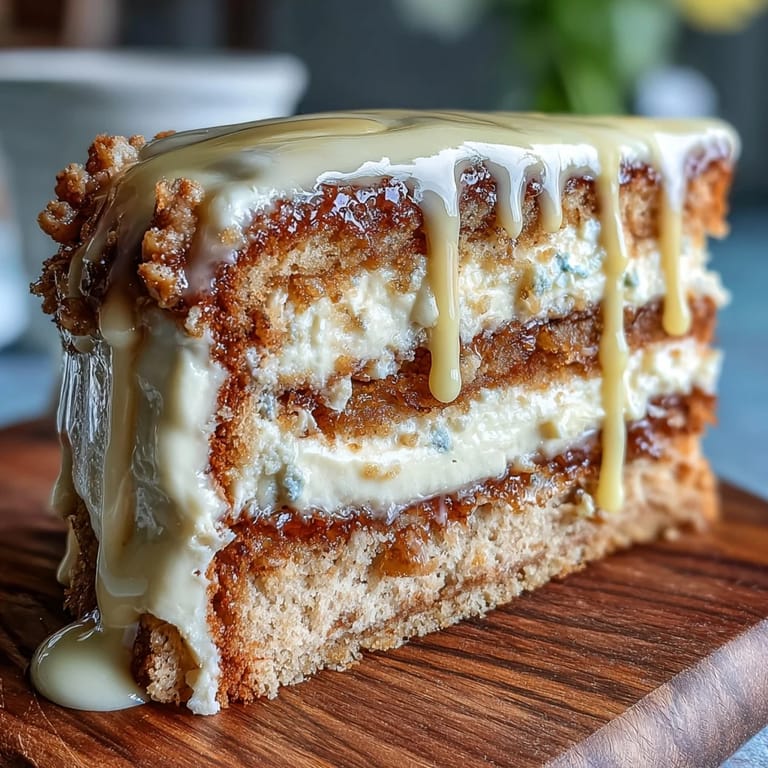
- Place the first cake layer on your serving plate, spread half the lemon curd across the top, then add a thick layer of whipped cream. Set the second layer on top, repeat the filling, then crown it with the final layer and finish with a generous coating of whipped cream on top and sides.
- Decorate just before serving:
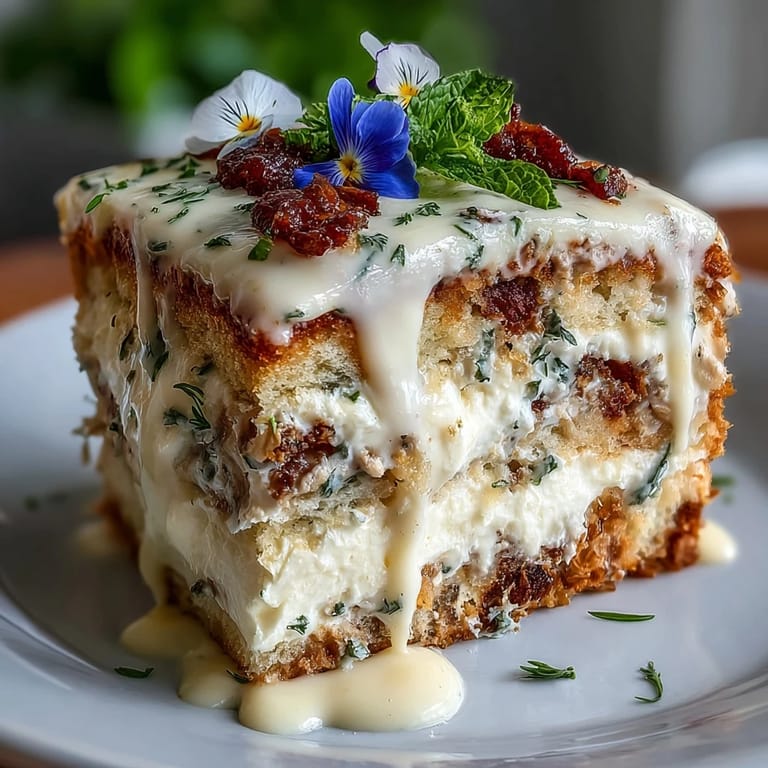
- Scatter your edible flowers across the top, letting some tumble naturally down the sides—arrange them just before people gather around so they look fresh and luminous. Add lemon zest curls if you want an extra flourish of citrus color.
 Pin This
 What stays with me about this cake is how it transformed a simple afternoon tea into something people actually remember. My aunt told me months later that she'd tried to recreate it and finally understood what I meant about not overmixing the batter—that one detail changed everything for her.
The Science of the Sponge
The reason this cake stays tender and moist is the buttermilk, which reacts with the baking soda to create lift while its acidity tenderizes the gluten. I learned this by accident when I once substituted regular milk and ended up with something denser and drier, completely missing the delicate crumb I was after. The alternating method of adding wet and dry ingredients prevents gluten from developing too much, which would make the cake tough—each addition breaks the gluten strands before they can link together too much.
Why This Cake Looks So Beautiful
The naked style works because the golden color of the sponge contrasts beautifully with the white cream and golden curd showing between layers. I've learned that even crumb matters here—a cake baked in ovens at different temperatures will look speckled or coarse instead of fine and uniform. The edible flowers feel like the final punctuation, turning something technically accomplished into something that feels celebratory and alive.
Tips for Success
Timing is everything with this cake, so clear your afternoon and treat it like a three-act play where each part feeds into the next. Once you understand how each component works—the light sponge, the bright curd, the fluffy cream—you'll find yourself adjusting it intuitively based on what you have on hand.
- Chill your assembled cake for at least thirty minutes before serving so the layers set slightly and cutting becomes cleaner and more elegant.
- Make the lemon curd a day ahead if you want to ease your timeline—it actually deepens in flavor overnight and keeps for up to a week.
- If edible flowers feel precious, remember that a simple dusting of lemon zest alone looks stunning and focuses attention entirely on that beautiful naked structure.
 Pin This
 This cake arrived in my life on an ordinary spring day and somehow stayed, becoming the one I make when I want to remind people that beautiful food doesn't require complicated instructions—just intention and a few quality things done well. When someone finally asks you for the recipe, you'll understand why my neighbor smiled when she handed me that envelope.
Recipe FAQs
- → How do I ensure the lemon curd thickens properly?
Cook the lemon juice, zest, sugar, and egg yolks over simmering water, whisking constantly until it thickens. Remove from heat and stir in butter for a smooth finish.
- → Can I prepare the whipped cream ahead of time?
Yes, beat the cream with powdered sugar and vanilla until stiff peaks form, then refrigerate until needed to keep it fresh and stable.
- → What types of edible flowers work best for decoration?
Safe and colorful options include pansies, violets, marigolds, and nasturtiums. Ensure they are pesticide-free and labeled edible.
- → How can I prevent the cake layers from crumbling during assembly?
Cool the cakes completely and chill them before layering. This firms the crumb, making it easier to spread curd and cream without damage.
- → Is it possible to make the cake richer?
Substitute mascarpone for half the whipped cream to add richness and a creamier texture to the layers.