 Pin This
 The first whiff of freshly grated lemon zest, mingling with the earthy sweetness of lavender, instantly put me in a sunlit mood the afternoon I tried this loaf. I remember absentmindedly humming as the batter came together, the air filling with that warm promise of baked cake. There was no grand occasion, only a need for a little joy in an ordinary week. The combination sounded a bit daring at first, but curiosity had its way. It’s the kind of recipe that creates its own gentle moment, somewhere between a slow Sunday and an impromptu teatime.
I once made this loaf as a quiet gesture when a friend dropped by on a chilly spring day—her laughter echoed in the kitchen just as the fragrant steam curled up from the fresh bake. We sliced it while the glaze was still faintly warm, grabbing mismatched plates because we couldn’t be bothered with the formality. Ever since, it’s become my go-to when I want to make company feel instantly at home. The floral notes started a conversation about favorite teas, and before I knew it, we were planning a whole afternoon of snacks. It’s surprising what a simple loaf cake can spark.
Ingredients
- All-purpose flour: This gives structure to the loaf and ensures a tender crumb—sifting first lightens the texture noticeably.
- Baking powder & baking soda: Both leaveners ensure a balanced lift; I learned to double-check expiration dates after a sad, sunken loaf once.
- Salt: Just a pinch sharpens the lemon’s brightness and keeps the sweetness in check.
- Culinary dried lavender buds: The gentle floral flavor teeters on magical—crush lightly between your fingers before using to release their aroma.
- Zest of 2 lemons: Zesting directly over the bowl captures every fragrant oil for maximum citrus punch.
- Unsalted butter, room temperature: Creaming well with sugar lays the foundation for a delicate and moist cake—don’t rush the softening!
- Granulated sugar: This gives sweetness but also helps create that classic golden crust.
- Eggs, room temperature: Adding them one at a time keeps the batter smooth and airy.
- Greek yogurt or sour cream: This adds subtle tang and helps keep the loaf beautifully moist.
- Whole milk: Room temperature milk folds in gently—sometimes I infuse it with lavender for a deeper note.
- Fresh lemon juice: A dash brightens the entire loaf and ties everything together.
- Pure vanilla extract: Just a teaspoon rounds out the flavors with gentle warmth.
- Powdered sugar, sifted: For the glaze, this melts into silky smoothness—lump free is key!
- Honey: The subtle sweetness in the glaze feels almost luxurious—use a floral honey if you have it.
- Fresh lemon juice (glaze): It makes the glaze perfectly tart and pourable; add it gradually until just right.
Tired of Takeout? 🥡
Get 10 meals you can make faster than delivery arrives. Seriously.
One email. No spam. Unsubscribe anytime.
Instructions
- Heat and Prep:
- Preheat your oven to 350°F and line a 9x5-inch loaf pan—parchment slings are a game changer for easy removal.
- Mix Dry Ingredients:
- Inhale deeply as you whisk flour, leaveners, salt, lavender, and lemon zest; it’s like a promise of what’s to come.
- Cream Butter and Sugar:
- Beat together the butter and sugar until the mixture looks almost like whipped cream and smells sweetly buttery.
- Add Eggs:
- Add eggs one at a time, mixing just long enough to keep everything silky, then scrape down the bowl after each one.
- Incorporate Dairy and Flavors:
- Blend in yogurt, milk, lemon juice, and vanilla, letting the batter turn luscious and light with each addition.
- Combine and Finish Batter:
- Slowly add your dry mixture so you don’t overwork the batter—stop once the last streak of flour disappears.
- Bake:
- Spoon the batter into your pan, smoothing out the top, and bake until your kitchen fills with a sunny, floral aroma (about 45-50 minutes).
- Cool the Cake:
- Let the loaf rest in the pan for 10 minutes, then tip it out onto a wire rack so the steam lifts away and the crust stays perfect.
- Make the Glaze:
- Whisk powdered sugar, honey, and lemon juice until glossy and smooth, adjusting the lemon to reach pourable nirvana.
- Glaze and Serve:
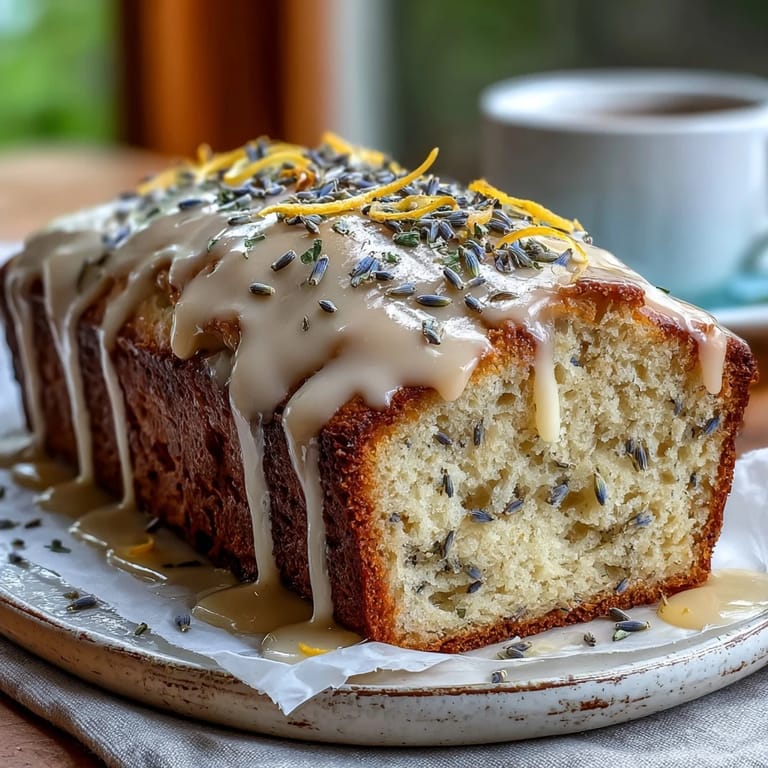
- Drizzle the glaze generously over your cooled cake, letting it tumble down the sides before you slice and serve.
 Pin This
 One rainy afternoon, I made this cake just to fill my apartment with something bright, and a neighbor—drawn in by the baking scent—ended up sharing the last slice over a cup of floral tea. It marked the start of a friendship that blossomed as easily as the honeyed glaze on the cake’s top.
Choosing Your Lavender and Lemons
Culinary lavender makes all the difference—look for dried buds meant for food, never scented blends for potpourri. Fresh lemons with a glossy skin are ideal: their zest packs so much more flavor and natural oils than the dull, waxy ones I sometimes end up with in winter.
Glaze Perfection: What I’ve Learned
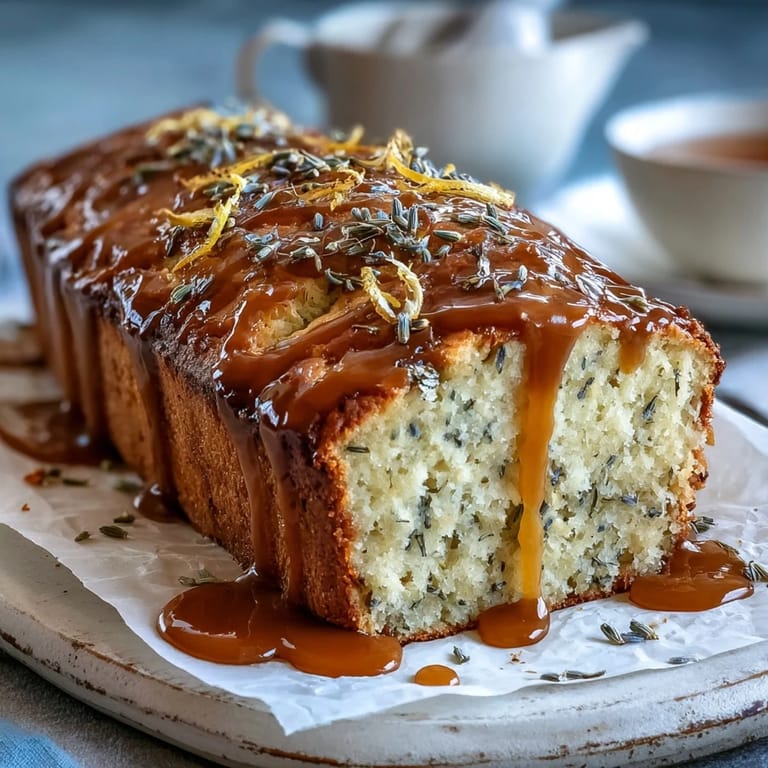
Getting the glaze the right consistency is almost an art—the first time, I dumped in all the lemon juice at once and made a puddle instead of a drizzle. Now, I add juice a spoonful at a time, testing with a fork to check if it’s thin enough to pour but thick enough to cling to the loaf without running right off.
Little Tweaks That Make It Yours
After a few rounds, I found that tiny tweaks turn this cake into something uniquely yours: infuse the milk with lavender, switch the yogurt for sour cream, or dust the top with extra lemon zest for sparkle.
- If you love more floral notes, double the lavender—but always taste as you go.
- A handful of blueberries folded into the batter adds pops of color and flavor.
- Always store leftovers wrapped tightly; it grows even more flavorful the next day.
 Pin This
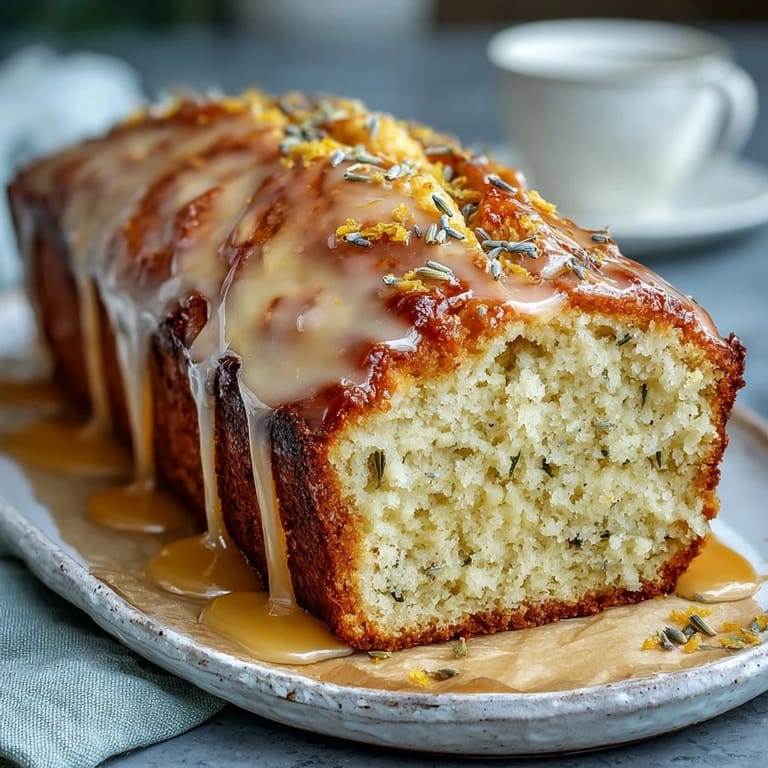
 Whether you’re sharing slices with friends or treating yourself with tea, this cake brings a little burst of sunshine to any day. Here’s to finding joy in the small, fragrant details.
Recipe FAQs
- → Can I use fresh lavender instead of dried?
Yes—use fresh culinary lavender sparingly (about half the amount of dried) and finely chop. Alternatively, gently heat the milk with dried or fresh lavender, steep 10–15 minutes, then strain to extract a subtler floral note without grainy bits.
- → How do I avoid a dense loaf?
Don't overmix once the dry ingredients are added; fold until just combined to preserve air from creamed butter and sugar. Ensure eggs and dairy are at room temperature so they incorporate smoothly and give a lighter crumb.
- → How can I adjust the honey glaze consistency?
Start with sifted powdered sugar and add honey and lemon juice a little at a time. For a thicker glaze use less lemon juice; for a looser pourable glaze add more lemon juice or a splash of milk until it reaches the desired sheen.
- → Can I swap ingredients for dietary needs?
For a dairy-free version, use plant-based butter and yogurt alternatives and a splash more liquid if needed. Gluten-free flour blends can work—expect a slightly different texture, so avoid overmixing and check doneness earlier.
- → How can I tell when the loaf is fully baked?
Bake 45–50 minutes, then insert a toothpick in the center—if it comes out with a few moist crumbs rather than wet batter, it's done. The top should be golden and the loaf should spring back lightly when pressed.
- → What are good serving and pairing ideas?
Serve slices at room temperature or slightly warm. Garnish with extra lemon zest or a few dried lavender buds. Pairs beautifully with Earl Grey or a mild black tea, and complements fresh berries or lightly whipped cream.