 Pin This
 I discovered this dish at a tiny spice market in the old medina, where the vendor was arranging hummus into these impossible-looking dunes on a ceramic platter. There was something magical about how the light caught each sculpted peak, casting tiny shadows that made the whole thing look like an edible landscape. I couldn't resist recreating it at home, and now it's become my favorite way to transform chickpeas into something that feels less like food and more like edible art.
The first time I served this to friends, I shaped the hummus right in front of them, and watching their faces shift from curiosity to actual delight made me realize that presentation is half the magic. One guest asked if I'd professionally trained, which is still my favorite compliment because honestly, all I did was push hummus around with a spoon and believe in the desert theme.
Ingredients
- Chickpeas: The foundation of everything—rinse them well because the starchy liquid can make your hummus gluey rather than silky.
- Tahini: This is where the magic happens, but don't cheap out; good tahini tastes like liquid gold, cheap tahini tastes like regret.
- Fresh lemon juice: Not bottled—fresh juice adds brightness that makes people wonder what secret ingredient you used.
- Extra-virgin olive oil: Use something you actually like tasting, because you'll taste it.
- Garlic clove: One is enough; more will bully the other flavors into submission.
- Ground cumin: A whisper of earthiness that makes you realize how boring hummus tastes without it.
- Fine sea salt: It dissolves evenly and makes everything taste intentional.
- Cold water: The secret weapon for achieving that cloud-like texture without making it gluey.
- Pita breads: Cut them into uneven, curved pieces so they actually look like dunes instead of geometric chips.
- Smoked paprika: Adds a subtle warmth that makes people ask what spice you used.
- Sumac or sweet paprika for garnish: This is the final flourish that makes it look intentional instead of accidental.
Tired of Takeout? 🥡
Get 10 meals you can make faster than delivery arrives. Seriously.
One email. No spam. Unsubscribe anytime.
Instructions
- Heat your oven and prep your space:
- Set the oven to 375°F and line your baking sheet with parchment paper so your chips don't stick and burn at the edges. This small step saves you from scraping charred pita off later.
- Cut and season the pita:
- Slice your pita breads into irregular, curved triangles that mimic rolling dunes—think organic, not perfect. Brush both sides lightly with olive oil, then sprinkle with smoked paprika, cumin, and salt, making sure the seasoning sticks to the oil.
- Bake the chips to golden perfection:
- Spread them in a single layer and bake for 8–10 minutes, flipping halfway through so they toast evenly. You'll know they're done when they're golden and sound crispy when you bend them.
- Blend the hummus until it's impossibly smooth:
- In your food processor, combine chickpeas, tahini, lemon juice, olive oil, minced garlic, cumin, and salt. Blend until completely smooth, then add cold water one tablespoon at a time while the processor runs, watching the texture transform from thick paste to cloud-like creamy. Taste and adjust the salt or lemon juice until it makes you happy.
- Sculpt your edible desert:
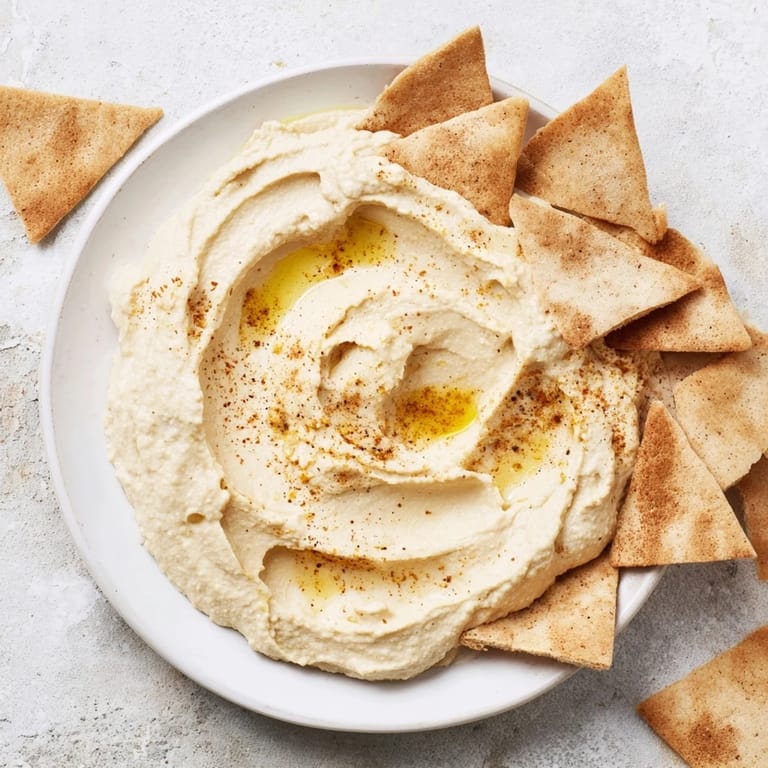
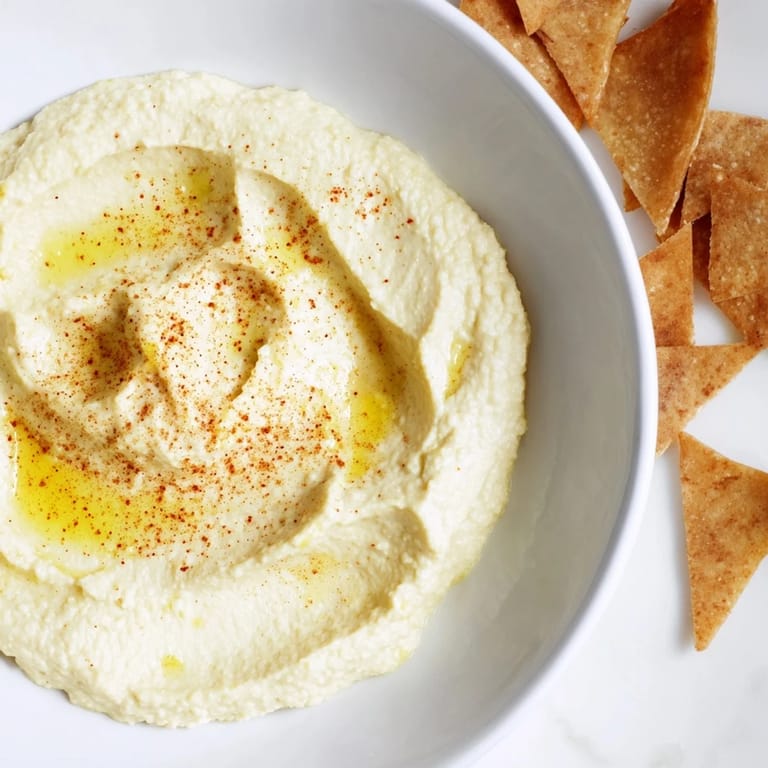
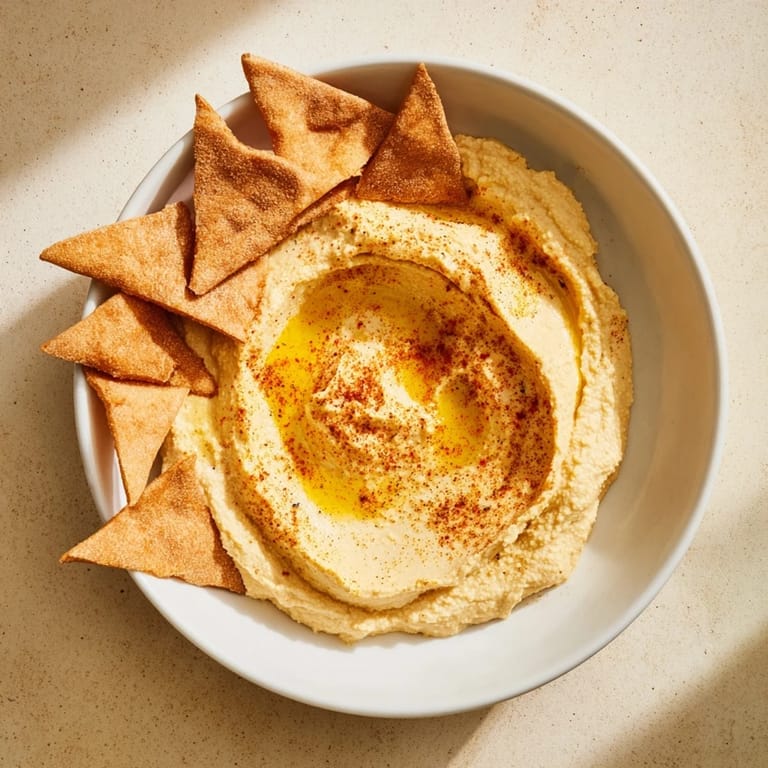
- Spoon the hummus onto your serving platter and use the back of a spoon or an offset spatula to create smooth, undulating mounds that actually look like sand dunes. Don't overthink it—imperfection is part of the charm.
- Finish with drama:
- Drizzle with a generous glug of olive oil, dust with sumac or sweet paprika for color, and scatter fresh parsley if you're feeling fancy. Arrange your crispy pita chips around the mounds like you're staging a little desert scene.
 Pin This
 There was an evening when my neighbor came over on a whim, skeptical about hummus because she'd never had good hummus before. Watching her take that first bite of creamy mound with a crispy chip, then go quiet for a moment, made me understand that sometimes food is just about creating a moment where someone's expectations shift. She came back three days later asking for the recipe.
The Art of Shaping
The beauty of this dish lives in the presentation, so don't rush this part. Use a metal spoon or offset spatula that you've dipped in warm water—it glides through the hummus like butter and creates those clean, swooping lines that catch the light. If your first dune looks wonky, just smooth it out and try again; hummus is forgiving and there's something honest about imperfect peaks.
Flavor Variations Worth Exploring
While this recipe shines on its own, I've found magic in small additions that respect the original without overwhelming it. Roasted garlic cloves stirred in add gentle sweetness, a pinch of cayenne brings subtle heat that builds slowly, and swapping some of the regular paprika for smoked paprika deepens the whole experience. The key is restraint—you're enhancing a flavor that's already beautiful, not starting from scratch.
Serving Suggestions and Pairings
This dish is a bridge between casual snacking and impressive entertaining, which is why it's become my go-to for unexpected guests. Serve it straight from the platter with the warm pita chips for that perfect temperature contrast, or arrange cucumber and carrot slices nearby for people who want something lighter and fresher. A chilled glass of Sauvignon Blanc or crisp rosé beside it makes the whole experience feel deliberate and thoughtful, though honestly, this works just as well with cold water and good conversation.
- Set everything on a wooden board or ceramic platter that makes the hummus look intentional and special.
- Have extra olive oil nearby in case someone wants to drizzle more, because hummus and olive oil is a love language.
- Make this the star of your appetizer spread or serve it alone if you want it to shine without competing flavors.
 Pin This
 This dish reminds me that the most memorable food isn't always complicated—sometimes it's just about taking care with the small details and believing that presentation matters as much as taste. Every time I make it, I'm grateful for that moment in the market and for how it showed me that hummus could be beautiful.
Recipe FAQs
- → How do I achieve smooth hummus texture?
Blend chickpeas, tahini, lemon juice, olive oil, garlic, and spices thoroughly, adding cold water gradually until creamy and smooth.
- → What is the best way to crisp pita chips?
Cut pita into irregular triangles, brush lightly with olive oil, season with spices, and bake at 375°F until golden and crisp.
- → Can pita chips be substituted for dietary needs?
Yes, gluten-free crackers can replace pita chips for gluten sensitivities while maintaining crunch.
- → What garnishes enhance the flavor profile?
Drizzling extra olive oil and sprinkling sumac or sweet paprika adds brightness, with fresh parsley for herbaceous notes.
- → How should the hummus be served for best presentation?
Shape hummus into rounded mounds using a spoon or spatula to mimic desert dunes and arrange pita chips around them.