 Pin This
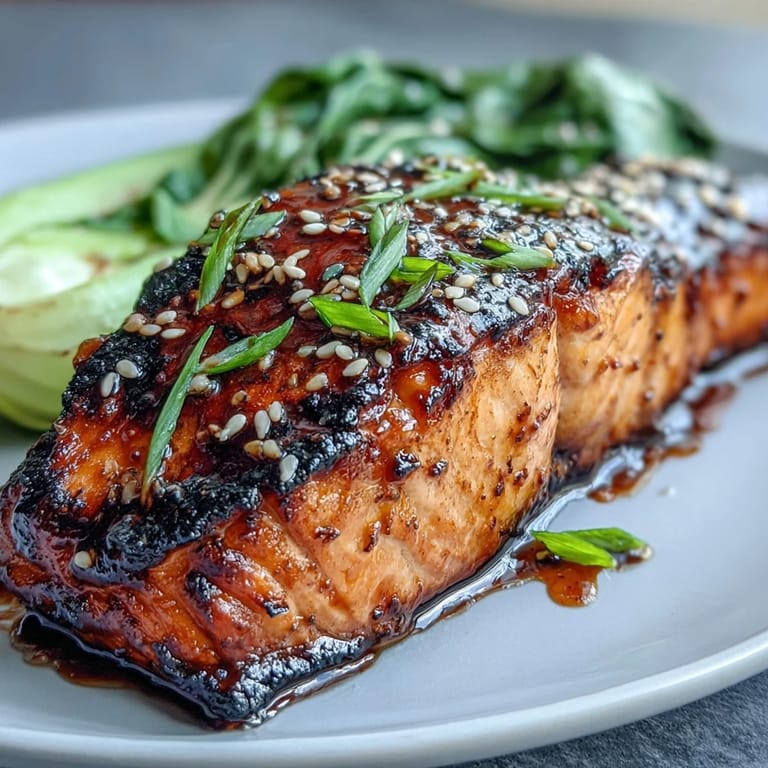
 The sharp scent of miso always reminds me of late nights experimenting in my tiny kitchen, windows fogged up from the stovetop. I first made this miso glazed salmon after a chilly walk home when I craved something bold and cozy, but quick. The quick caramelization, the sweet honey mingling with salty miso beneath the broiler—it just beckons you into the kitchen. Plus, nothing wakes up a kitchen like the nutty aroma of sesame and garlic on hot bok choy. This meal landed in my weeknight rotation by pure, delicious accident.
One rainy spring evening, I threw a small dinner together for a friend who'd had a tough week. As we scraped the last bits of glaze from our plates, laughter finally broke through the day's heaviness, all thanks to this unexpectedly cheerful meal.
Ingredients
- Salmon fillets: Choose plump fillets with bright, glossy flesh—the fresher they are, the more they'll shine beneath the glaze.
- White miso paste: Its gentle saltiness builds the backbone of the glaze, and a little goes a long way; whisking thoroughly ensures there are no lumps.
- Soy sauce (low-sodium): Balances the miso without overpowering; I always go for low-sodium so you can control the saltiness to taste.
- Honey or maple syrup: This is your caramelizer—it helps create irresistibly sticky, blistered edges; maple syrup is brilliant for a deeper, earthier sweetness.
- Rice vinegar: Adds a splash of brightness that wakes up all the flavors; don't skip this, it's the secret to balance.
- Fresh ginger: Grate it finely for a background warmth and zing; it perfumes the glaze as it broils.
- Garlic: Whether minced smooth for the marinade or sliced for bok choy, garlic blooms flavor throughout the whole dish.
- Sesame oil: Use toasted sesame oil for a deep, unmistakable nuttiness; drizzle rather than pour—this is powerful stuff.
- Baby bok choy: Halve it to expose more surface to the hot skillet—the leaves crisp while the stems stay juicy.
- Soy sauce (for bok choy): Just a hint, swirled in at the end, ties the greens to the flavors of the salmon.
- Toasted sesame seeds: Flecks of crunch that stick like confetti and bring the dish to life.
- Spring onions: Thinly sliced, these brighten every bite and pop alongside the glaze.
- Lime wedges (optional): I squeeze lime over everything, and here a wedge lifts the umami and balances the sweetness.
Tired of Takeout? 🥡
Get 10 meals you can make faster than delivery arrives. Seriously.
One email. No spam. Unsubscribe anytime.
Instructions
- Whisk up the miso glaze:
- Grab a small bowl and combine miso, soy sauce, honey, rice vinegar, ginger, garlic, and sesame oil. The aroma as you stir should be nutty and sweet, with just a little bite from the vinegar.
- Marinate the salmon:
- Lay the salmon fillets in a dish, then cover them generously with the marinade, turning to coat each piece. While they rest in the fridge, the glaze settles in and seasons the flesh.
- Heat the oven and prepare the pan:
- Turn on your broiler or heat your oven to 220°C (425°F), and line a baking sheet with parchment so nothing sticks.
- Arrange and glaze:
- Place each fillet skin side down, saving a little extra marinade for basting. Lay them out evenly so they each get their moment under the broiler.
- Broil or roast for perfection:
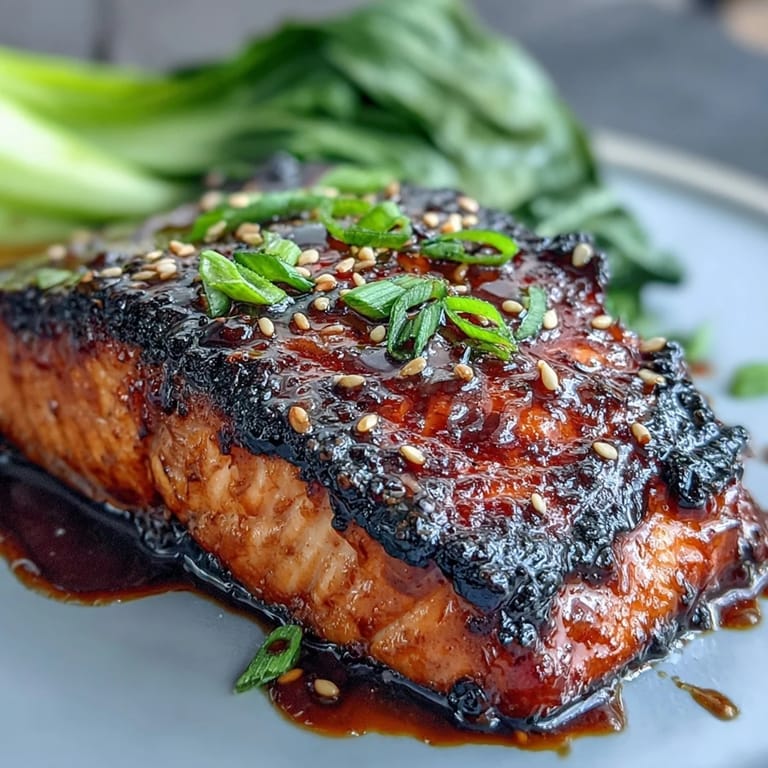
- Broil for 8–10 minutes, spooning over more glaze halfway; the fish should be opaque and the tops sticky and golden brown.
- Sauté the bok choy:
- Meanwhile, heat sesame oil in a large skillet. Once shimmering, throw in sliced garlic, then the halved bok choy, letting it sizzle and soften just enough to keep some crunch—finish with a flick of soy sauce and shower of sesame seeds.
- Bring it all together:
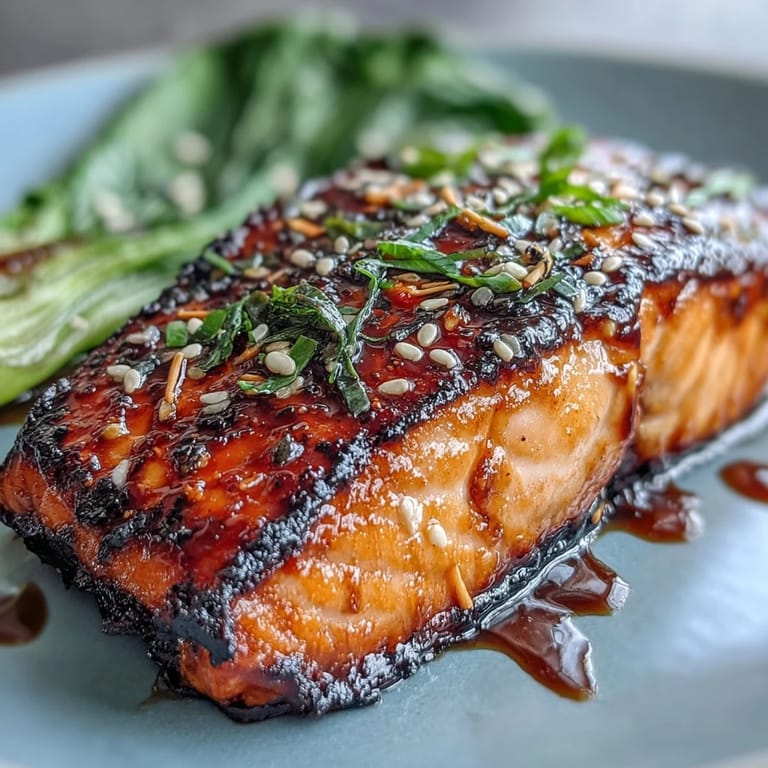
- Plate your salmon alongside the glistening, garlicky bok choy. Scatter spring onions, another rush of sesame seeds, and a squeeze of lime if you like.
 Pin This
 One night, after a dish like this, someone asked for seconds before even finishing their first helping—the highest praise possible in my book. In moments like that, dinner goes from necessity to pure pleasure.
Swapping Ingredients with Confidence
Salmon holds up to bold flavors, but you can easily swap in trout or even firm tofu if you're catering to different eaters. I sometimes use maple syrup for its warmth, or skip the lime if I'm feeling mellow—oddly enough, little tweaks never seem to make this meal less satisfying.
What Goes Best on the Side?
Steamed jasmine rice mops up that gorgeous glaze and is my default, but nutty brown rice or a chilled noodle salad works just as well. If it's a celebratory night, a glass of bright Sauvignon Blanc instantly turns the meal into a real occasion.
Secrets for Cooking Ahead or Leftovers
Leftover salmon keeps surprisingly well and makes a brilliant rice bowl lunch the next day. If you know you'll want seconds tomorrow, double the bok choy and stash extra sauce in a jar for last-minute cravings.
- Warm leftovers gently to avoid drying out the salmon.
- Store the garnish separately to keep it crisp.
- Don’t forget to save a splash of lime for next-day brightness.
 Pin This
 Every time I make this, it feels like a tiny celebration disguised as a weeknight dinner. I hope it brings as much joy to your kitchen as it has to mine.
Recipe FAQs
- → How long should the salmon marinate?
Marinate at least 10 minutes for surface flavor; up to 1 hour deepens the glaze. Avoid much longer so the fish texture stays firm and not overly salty from the miso.
- → Broil or roast—which gives better caramelization?
Broiling gives quick high heat for a nicely caramelized top in 8–10 minutes. Roasting at 220°C (425°F) works too; use the top rack or finish under the broiler to get the same glaze color.
- → How do I keep bok choy bright and crisp?
Use high heat, a hot skillet or wok, and stir for just 2–3 minutes so the leaves wilt but stems remain crunchy. Add garlic briefly at the start and finish with soy and sesame seeds off the heat.
- → Can this be made gluten-free?
Yes—swap regular soy sauce for tamari or a certified gluten-free soy alternative. Double-check miso and other packaged ingredients for hidden gluten.
- → What's a good substitute for honey?
Maple syrup works well as a vegan-friendly sweetener and blends smoothly into the miso glaze while keeping the same caramelization behavior under high heat.
- → What should I serve alongside and what pairs well to drink?
Steamed jasmine or brown rice and a crisp green vegetable complement the dish. For wine, a chilled Sauvignon Blanc or a dry Riesling balances the glaze's umami and the sesame notes.