 Pin This
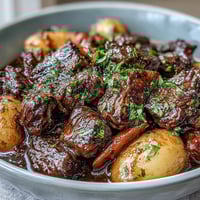
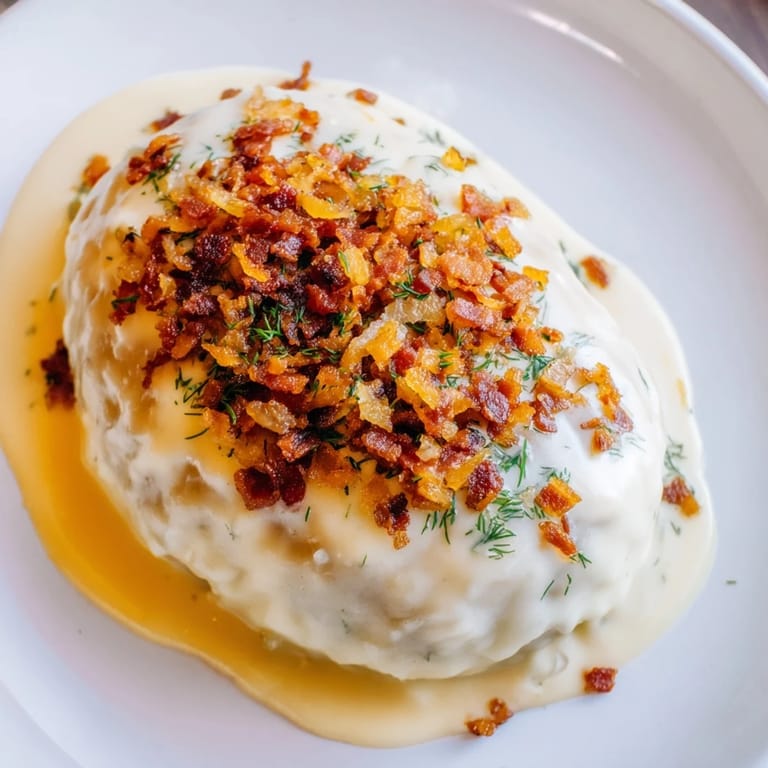
 My grandmother's kitchen smelled like raw potato and rendered bacon fat every time she made cepelinai, those magnificent Lithuanian dumplings that somehow felt like both comfort and celebration on a plate. She'd stand at her grater with the kind of focus usually reserved for surgeons, her weathered hands moving in a rhythm she never had to think about. The first time I watched her squeeze those grated potatoes—really squeeze them, until her forearms burned—I understood that cepelinai wasn't just food; it was a conversation between her hands and memory. Years later, making my own batch, I realized those oval-shaped dumplings filled with seasoned meat and topped with crispy bacon sauce weren't just traditional; they were a edible love letter to her kitchen and everyone who gathered around it.
I made these for a dinner party once without telling anyone what they were, just served them with the sauce and watched my friend take a bite and close her eyes like she'd traveled somewhere unexpected. She asked what they were called, and when I said cepelinai, she pulled out her phone to spell it correctly because she wanted to remember. That moment taught me that the best food isn't always about complexity or fancy ingredients; it's about how it makes people feel when they taste something genuine.
Ingredients
- Starchy potatoes (1.5 kg raw, peeled): The backbone of the dumpling—russets or other high-starch varieties break down into a perfect dough texture when grated, while waxy potatoes leave you with a gluey mess.
- Boiled and mashed potatoes (2 medium): This cooked potato is your secret weapon for binding, giving the dough structure without making it dense or heavy.
- Salt (1 tsp for dough): Don't skip this; it seasons the potato base itself, which makes every bite cohesive.
- Potato starch (1 tbsp, optional): The safety net when your potatoes release too much moisture—Lithuanian cooks swear by it, and for good reason.
- Ground pork (250 g) and ground beef (150 g): The combination gives you richness from pork and depth from beef; use both if you can, even though one works in a pinch.
- Onion and garlic (1 small onion, 1 clove) for filling: Finely chopped means they disappear into the meat, distributing flavor with every bite instead of hitting you with chunks.
- Salt and black pepper (1 tsp and ½ tsp): Season the meat filling generously; it won't taste right if you hold back.
- Bacon or smoked pork belly (150 g, diced): Render this slowly to get the crispy bits and rich fat that makes the sauce unforgettable.
- Onion (1 small) for sauce: The bacon fat cooks this into something golden and sweet, the foundation of your sauce.
- Sour cream (300 ml): Always full-fat and always added gently so it doesn't split—this is where the magic lives.
- Fresh dill (1 tbsp, chopped): Optional but essential if you want to taste Lithuania in every bite.
Tired of Takeout? 🥡
Get 10 meals you can make faster than delivery arrives. Seriously.
One email. No spam. Unsubscribe anytime.
Instructions
- Squeeze those raw potatoes like your life depends on it:
- Grate the raw potatoes on the fine side of your grater, then wrap them in cheesecloth or a clean kitchen towel and squeeze—and keep squeezing until your hands ache and water stops dripping. The liquid you release goes into a bowl; let it sit for a few minutes, then pour off the water carefully to reveal the starch settled at the bottom, which you'll use to help bind your dough.
- Build your potato dough base:
- Combine the squeezed grated potatoes with your mashed boiled potatoes, salt, and that reserved potato starch, mixing until everything comes together into a cohesive dough. If it still feels too wet and sticky, add a bit more potato starch, but go slow because you can always add more but you can't take it back.
- Season your meat filling with intention:
- Mix the ground pork, ground beef, finely chopped onion, minced garlic, salt, and black pepper in a bowl until everything is evenly distributed and the mixture feels like it has personality. Don't be shy with the seasoning; the filling needs to taste good on its own.
- Shape dumplings with wet hands and care:
- Wet your hands to prevent sticking, take a portion of potato dough about the size of a large egg, flatten it into a patty, and place a heaping tablespoon of meat filling in the center. Gently shape the potato dough around the filling until it forms an oval dumpling, sealing it completely so the filling can't escape during cooking—take your time here, because a burst dumpling leaks flavor into the water.
- Simmer gently, don't boil aggressively:
- Bring a large pot of salted water to a gentle simmer (rolling boils break dumplings apart), then carefully slide in your dumplings in batches so they have room to move without sticking to each other. Cook for 25–30 minutes until they float and feel firm when you touch one with a spoon.
- Make a sauce worth remembering:
- Fry the diced bacon in a skillet over medium heat until the edges crisp and the fat renders golden, then add your finely chopped onion and sauté until it turns soft and golden. Stir in the sour cream slowly, add your fresh dill if you're using it, and heat it all gently without letting it boil, which would make the sour cream split and turn grainy.
- Bring everything together on the plate:
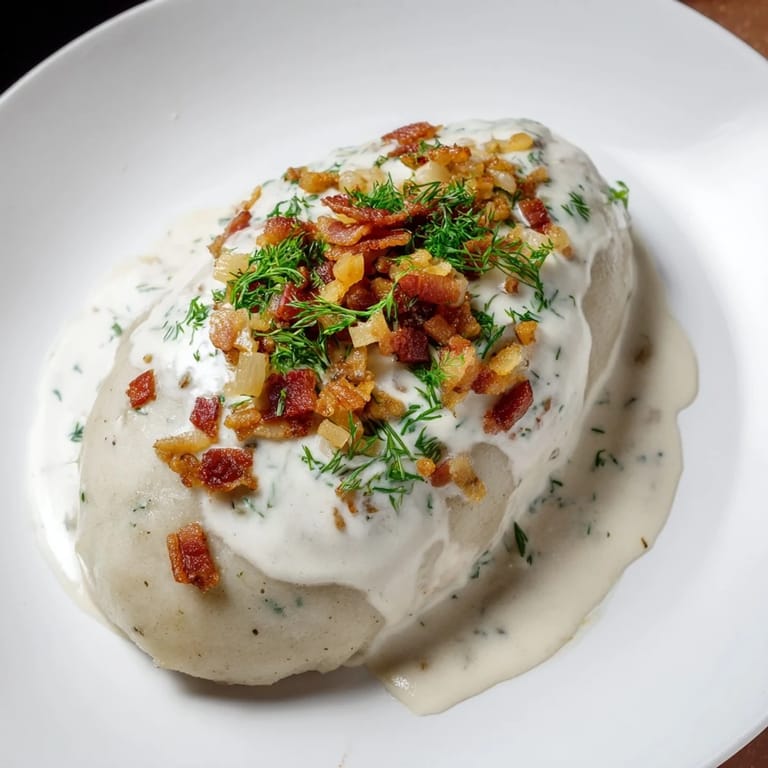
- Arrange your hot cepelinai on a plate or platter, pour that bacon and sour cream sauce over the top while everything is still steaming, and serve immediately so the dumplings stay soft and the sauce stays silky.
 Pin This
 The best moment with cepelinai isn't usually the first bite; it's the second or third, when you stop thinking about technique and just taste how good it is. That's when the dumpling becomes what it was always meant to be—something that feeds both hunger and memory at the same time.
Why Potato Choice Matters More Than You'd Think
Not all potatoes are created equal when it comes to dumplings, and this is where most people stumble without realizing it. Starchy potatoes like russets or Burbanks have the right structure to grate smoothly and bind without turning gluey, while waxy potatoes like fingerlings will fight you every step of the way, releasing the wrong kind of liquid and creating a dough that feels more like cement. I once tried using what I thought was a neutral all-purpose potato and ended up with dumplings so dense they sank straight to the bottom and stayed there, refusing to float like proper cepelinai should. The boiled potato you add isn't just filler; it's an insurance policy against moisture problems and a guarantee that your dough will hold together through the shaping and cooking process without needing excessive starch.
The Meat Filling Is Where You Control the Story
The combination of pork and beef might seem arbitrary, but each brings something essential to the filling. Pork gives you richness and a slightly sweet note that rounds out the earthiness of the potatoes, while beef adds a deeper savory note that makes the whole thing feel more substantial and complex. You can absolutely use just one meat if that's what you have on hand, but I've found that when both are present, the filling tastes more interesting and the dumpling becomes something people remember and ask about later. The onion and garlic disappear entirely into the mixture if you chop them finely enough, distributing their flavor throughout instead of announcing themselves with each bite.
Sauce Strategy and Sour Cream Wisdom
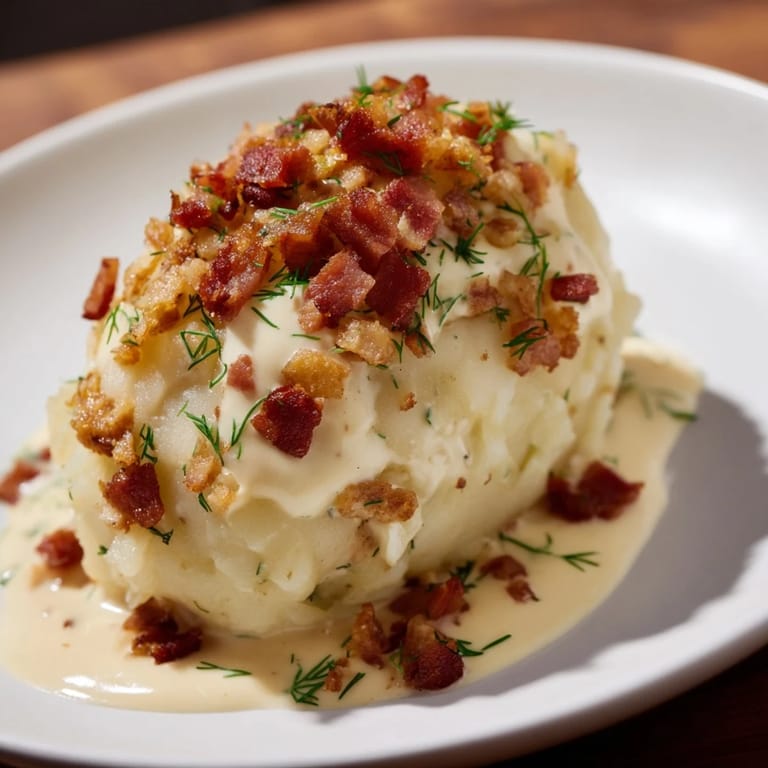
The sauce is really just three components working in perfect harmony—crispy rendered bacon providing texture and smokiness, caramelized onion bringing sweetness and depth, and sour cream adding cooling richness that balances the potato and meat weight. The magic happens when you render the bacon slowly enough that it becomes truly crispy and releases its fat, creating a flavor base so good that the sour cream needs barely any help. Fresh dill is optional in the ingredient list but absolutely essential if you want people to taste Lithuania in their bowl—it's bright, unexpected, and makes the whole dish feel alive instead of heavy. One final thing about sour cream: always use full-fat and always add it gently to warm sauce rather than boiling sauce, because sour cream will split and curdle if you subject it to aggressive heat, turning your beautiful sauce into something grainy and sad.
- Never let the sauce boil once the sour cream goes in; gentle warmth is all it needs.
- Extra dill or fresh chives can be served on the side for people who want more brightness.
- The sauce is even better the next day after flavors have mingled overnight in the refrigerator.
 Pin This
 Cepelinai is the kind of food that reminds you why cooking for people matters. It takes time and care, but every bite is worth it.
Recipe FAQs
- → How do you prevent the dumplings from falling apart?
Ensuring the potato dough is well squeezed to remove excess liquid and using a bit of reserved potato starch helps bind the dough firmly around the filling.
- → What type of potatoes work best for Cepelinai?
Starchy potatoes are preferred as they provide the right texture for the dough, helping it hold shape during cooking.
- → Can the filling be customized?
Yes, though the traditional filling combines ground pork and beef with onion and garlic, vegetarian alternatives like sautéed mushrooms and onions can be used.
- → How is the sauce prepared for this dish?
Diced bacon is fried until crisp, then sautéed onions are added. Sour cream and fresh dill are stirred in and gently heated without boiling.
- → What is the ideal cooking time for the dumplings in water?
They should simmer gently for approximately 25 to 30 minutes until they float and feel firm to the touch.
- → Are there any gluten concerns?
The dish is naturally gluten-free, but cross-contamination might occur with some store-bought potato starch or sour cream, so checking labels is recommended.