 Pin This
 My neighbor Maria handed me a bottle of homemade limoncello one summer evening, the kind she'd been steeping all winter in her sunroom. I spent three days staring at it before the obvious struck me: cake. Not just any cake, but something that would let that golden, boozy brightness shine through every bite. The first attempt was borderline syrupy, but that failure led here, to this version, where citrus and butter finally found their perfect balance.
I baked this for a small dinner party last April when someone asked what I'd been working on, and honestly, the way the glaze caught the light as I drizzled it made me pause. Everyone came back to the kitchen asking for the recipe before dessert was even finished, which felt like the ultimate compliment—people don't usually do that unless something genuinely stopped them mid-conversation.
Ingredients
- All-purpose flour (2 1/2 cups): The foundation that won't compete with your citrus stars; a finer, more delicate crumb comes from not overworking this later.
- Baking powder (1/2 tsp): A subtle lift that keeps density at bay without the egg-foam heaviness of traditional sponge cakes.
- Fine sea salt (1/2 tsp): This small amount wakes up the lemon notes so they sing instead of whisper.
- Unsalted butter (1 cup, softened): Softness matters more than you'd think; cold butter won't cream properly and you'll lose that tender crumb.
- Granulated sugar (2 cups): The volume seems generous, but remember that limoncello is slightly bitter, so sugar balances without making this cloying.
- Large eggs (4, room temperature): Cold eggs resist emulsifying, which means your batter splits and the cake turns dense; set them out an hour ahead.
- Limoncello liqueur (1/3 cup): This is where the magic lives—use the real thing, not an imitation, because the botanical complexity matters.
- Whole milk (1/4 cup, room temperature): The tenderizer that keeps pound cake from becoming a brick while letting the limoncello flavor dominate.
- Fresh lemon juice (1/4 cup): Cuts through richness and adds tartness that glaze alone can't provide.
- Lemon zest (2 lemons): Grate this just before mixing so the oils stay volatile and bright; don't waste it on pre-zested jars.
- Vanilla extract (1 tsp): A quiet backbone that lets citrus take center stage without vanishing into the background.
- Powdered sugar (1 cup, sifted): Sifting prevents lumps that catch on the cake's crumb and leave texture rifts.
- Fresh lemon juice for glaze (2–3 tbsp): This secondary lemon punch is what makes the glaze taste bright rather than merely sweet.
- Limoncello liqueur optional (1 tbsp): A second pour that deepens the flavor, though the cake works beautifully without it if you're cautious with alcohol.
- Lemon zest for garnish (1 lemon): The final visual flourish that makes people know what they're eating before the first taste.
Tired of Takeout? 🥡
Get 10 meals you can make faster than delivery arrives. Seriously.
One email. No spam. Unsubscribe anytime.
Instructions
- Set your stage:
- Preheat the oven to 350°F and grease your chosen pan with butter, then dust it with flour so the edges don't stick. Having everything prepped before mixing means you won't be standing over a batter that's oxidizing while you hunt for measuring spoons.
- Mix your dry team:
- Whisk the flour, baking powder, and salt together in a bowl and set it aside where you won't forget it. This step aerates the flour slightly and distributes the leavening evenly, which is the quiet hero of even crumb.
- Cream butter and sugar:
- Beat the softened butter with sugar for 3–4 minutes until it looks pale, fluffy, and almost frosting-like—this is when air bubbles form and the cake rises without needing much leavening. You'll know it's ready when a fingernail dragged through leaves a track that holds for a second.
- Add eggs with patience:
- Drop each room-temperature egg in one at a time, beating until each fully disappears before the next arrives—roughly a minute per egg. Rushing this step creates a grainy, separated batter that bakes into a tight, heavy cake.
- Marry your wet ingredients:
- Pour in the limoncello, milk, lemon juice, zest, and vanilla and mix until the streaks of ingredient disappear. The mixture will look slightly curdled at first; this is normal and it smooths out as you stir.
- Fold in flour carefully:
- Add the flour mixture in two additions, stirring just until you don't see white streaks anymore—stop here, even if there are a few barely visible flour ghosts. Overmixing develops gluten, which turns tender cake into something with a chew you don't want.
- Into the oven:
- Pour the batter into your prepared pan and smooth the top with a spatula, then slide it into the oven. Bake for 50–60 minutes until a toothpick inserted near the center pulls out clean with maybe a moist crumb or two clinging to it; if the top starts browning too fast around minute 40, tent it loosely with foil.
- Cool with restraint:
- Let the cake sit in the pan for 15 minutes—this allows the structure to set enough that it won't shatter when you turn it out. Then flip it gently onto a cooling rack and leave it completely untouched until it's room temperature, which takes about 2 hours.
- Make your glaze:
- Whisk powdered sugar with 2 tablespoons of fresh lemon juice and the optional limoncello until you have a pourable consistency; add more lemon juice a teaspoon at a time if it's too thick. The glaze should ribbon off a spoon but still cling to the cake without pooling underneath like frosting.
- The final flourish:
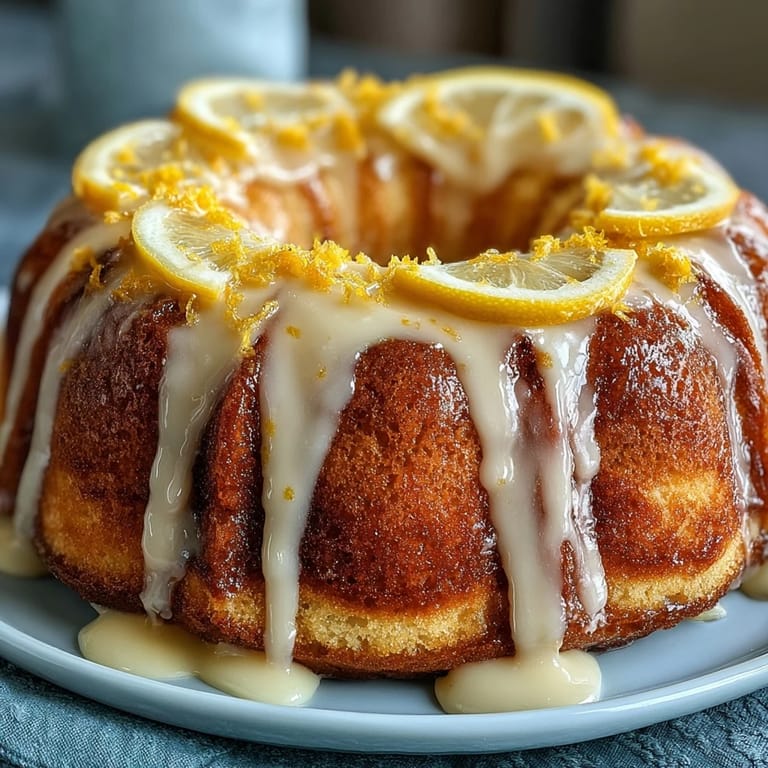
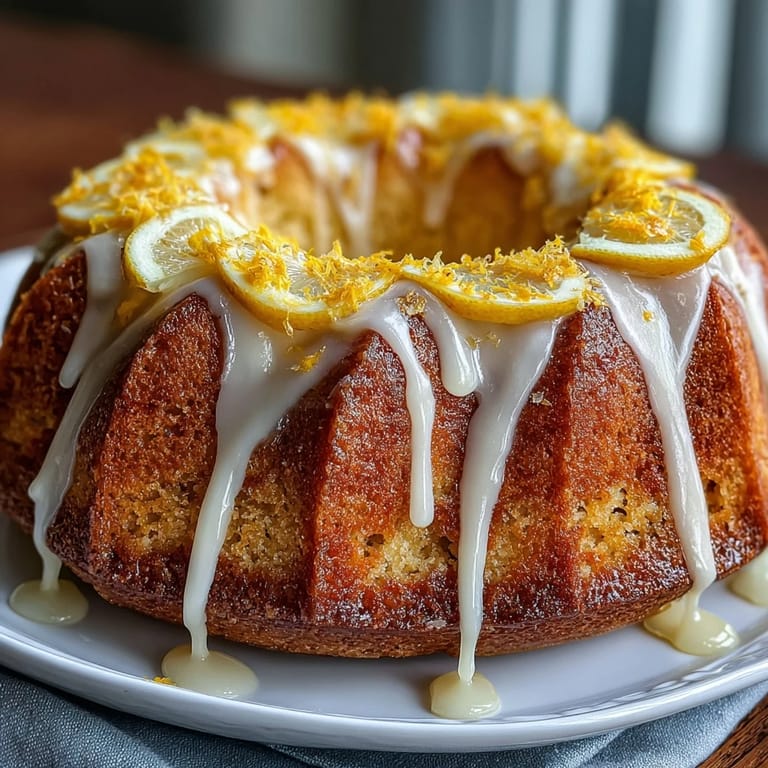
- Drizzle the glaze slowly over the cooled cake so it pools in natural cracks and falls decoratively down the sides, then scatter fresh lemon zest across the top. Let it set for at least 30 minutes before slicing so it firms up and holds its shape.
 Pin This
 There's a moment right after you pour batter into the pan when the smell coming out of the oven shifts from just buttery to something with an edge—that's the limoncello releasing its aromatics. That scent became my favorite proof that the recipe works, that something bright and sophisticated is actually happening inside that hot box.
Why Limoncello Matters Here
Limoncello isn't just lemon juice with alcohol; it's spirit infused with lemon zest oil, which means it carries flavor that fresh juice alone can't deliver. When it bakes, the alcohol evaporates but the aromatic oils remain, adding a complexity that makes people stop mid-bite and ask what makes this different. It's the reason this cake tastes sophisticated rather than simply sweet-and-sour.
The Glaze as Finishing Touch
The glaze does more than coat; it seals in moisture and adds a second layer of brightness that counterbalances the cake's richness. I learned this the hard way when I once skipped it entirely, thinking the cake was flavorful enough on its own, and immediately regretted how one-dimensional it tasted without that sharp, sweet contrast on top.
Storage, Serving, and Variations
This cake actually improves after a day, when the flavors settle and meld together into something deeper and more integrated. Wrapped tightly in plastic wrap, it keeps fresh for up to four days at room temperature and takes beautifully to freezing for up to a month (glaze it after thawing for best results).
- Serve it slightly warm with fresh whipped cream or crème fraîche, which cuts through the sweetness and lets the citrus sing.
- If you're drawn to variation, swapping limoncello for orange liqueur and adjusting the zest accordingly creates a beautiful sister dessert that feels equally special.
- A scatter of candied lemon peel on top transforms this from everyday dessert into something you'd proudly serve at a spring brunch.
 Pin This
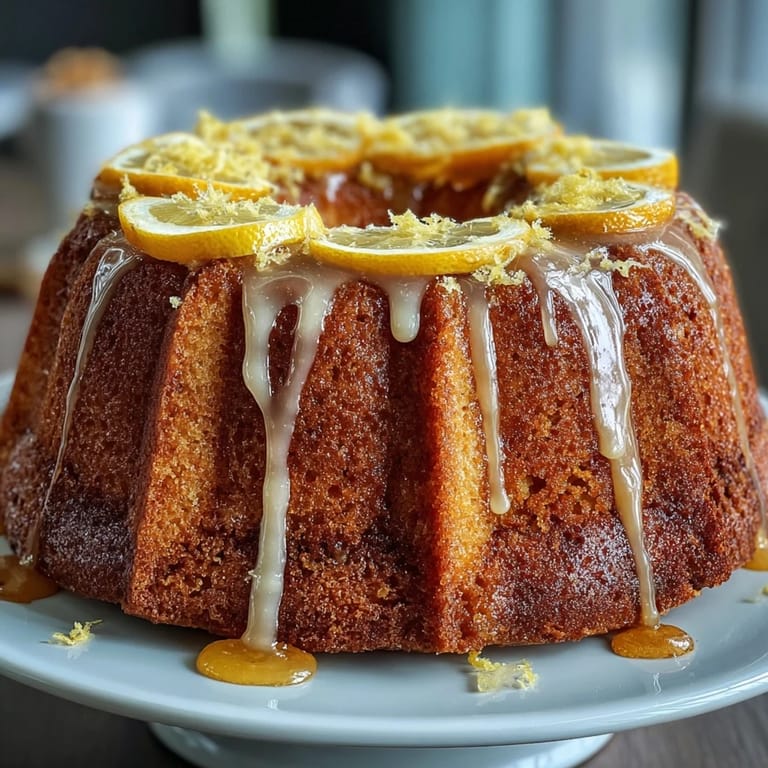
 This cake became my answer to spring gatherings and the kind of dessert that makes people feel celebrated without being fussy. Keep this recipe close for when you want something that tastes like sunshine and feels like home.