 Pin This
 There's something about the smell of rye bread baking that takes me straight to my grandmother's kitchen in Riga, even though I've never actually been there. My mother used to describe it in such vivid detail—the deep, molasses-dark crust crackling as it cooled, the way caraway seeds would perfume the entire house—that I felt like I'd lived it myself. When I finally decided to make rupjmaize, I understood why she spoke about it with such reverence. This isn't just bread; it's a conversation between time and flour, between the slow overnight rise and the moment you pull a perfectly browned loaf from the oven.
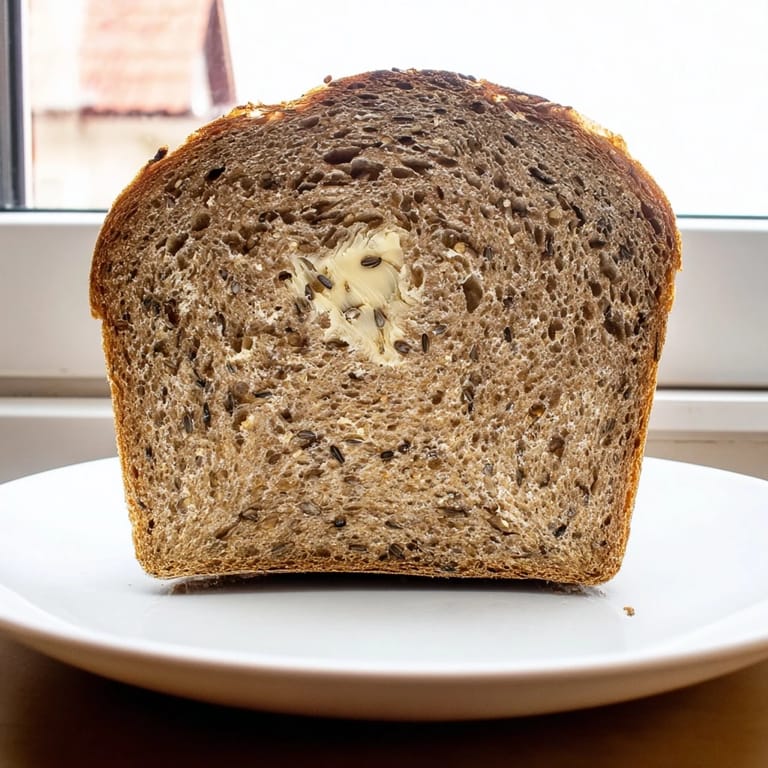
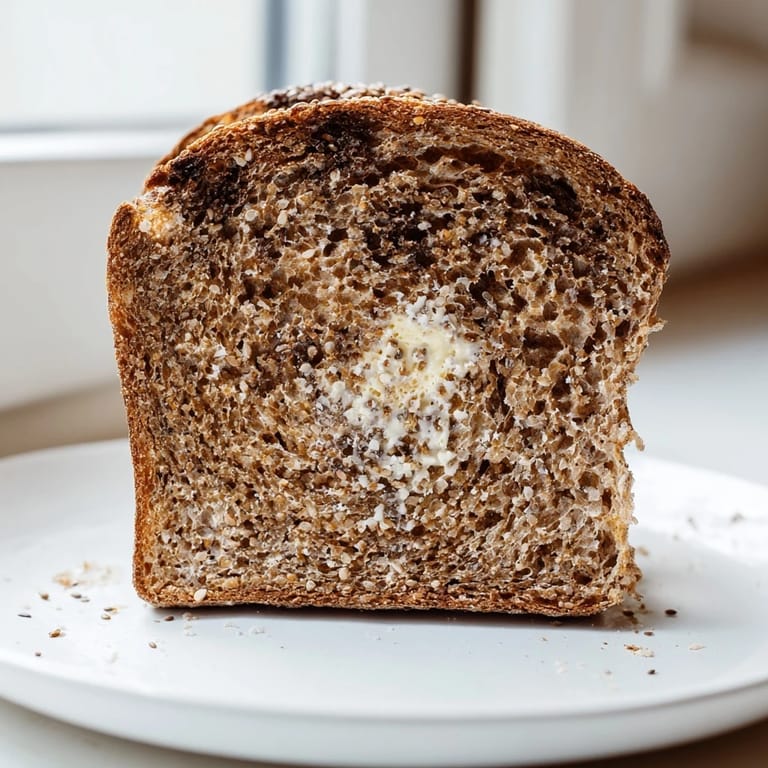
I made this bread for the first time on a Saturday when my neighbor stopped by mid-morning, skeptical about rye bread entirely. By the time the oven timer went off, she was sitting at my kitchen counter with a slice still steaming, butter melting into every crack and crevice. She ate three slices before saying a word. That's when I knew I'd finally gotten it right—when the bread itself did the talking.
Ingredients
- Dark rye flour (500 g): This is the heart of the bread, giving it that dense, earthy character and deep brown color that sets rupjmaize apart from lighter rye loaves.
- Bread flour (100 g): A small amount of bread flour helps develop structure and gives the crumb enough backbone to hold up to the weight of the rye.
- Active dry yeast (1 packet, 7 g): The long rise means you don't need much yeast; it works slowly and develops incredible flavor over the hours.
- Warm water (350 ml): Keep it around 40°C—too hot and you'll kill the yeast, too cool and nothing happens.
- Molasses or dark honey (2 tbsp): This adds subtle sweetness, color, and a rich depth that makes you wonder why every bread doesn't have it.
- Salt (2 tsp): Don't skimp; it strengthens the dough and makes every flavor sing.
- Caraway seeds (2 tsp): Toast them lightly in a dry pan first if you want the flavor to jump out of every bite.
- Vegetable oil (1 tbsp plus extra): Just enough to keep the dough from sticking without making it greasy.
Tired of Takeout? 🥡
Get 10 meals you can make faster than delivery arrives. Seriously.
One email. No spam. Unsubscribe anytime.
Instructions
- Wake up the yeast:
- Pour your warm water into a large bowl with the molasses, then sprinkle the yeast over top. Let it sit for 10 minutes—you'll see it foam and bubble, which means it's alive and ready to work its magic.
- Bring the flours together:
- Add the rye flour, bread flour, salt, and caraway seeds to the yeast mixture. Stir with a wooden spoon until a shaggy, sticky dough comes together; don't worry if it looks messier than typical bread dough—rye always does.
- Knead it smooth:
- Drizzle in the oil and knead for 5 to 7 minutes by hand or with a dough hook until the dough becomes smooth and elastic. It will stay sticky, which is completely normal and actually what you want.
- Let time do the work:
- Shape the dough into a ball, place it in an oiled bowl, cover it with plastic wrap or a damp towel, and leave it on the counter overnight or for 12 to 16 hours. You'll watch it rise slowly, almost imperceptibly at first, then suddenly it will have doubled.
- Shape your loaf:
- Turn the dough out onto a lightly floured surface and gently shape it into a round or oval. Place it on a parchment-lined baking sheet or in a greased loaf pan, cover it again, and let it rise for another 45 to 60 minutes until it looks puffy and alive.
- Prepare for the oven:
- While the loaf does its final rise, heat your oven to 220°C (425°F). Just before baking, dust the top generously with rye flour and optionally score it with a sharp knife if you want a dramatic split.
- Bake until golden and hollow:
- Slide the loaf into the center of the oven and bake for 45 to 50 minutes until the crust is deeply browned and the bottom sounds hollow when you tap it. The aroma will be almost overwhelming.
- Cool completely:
- Remove the bread from the oven and let it cool entirely on a wire rack—this is crucial, as the interior continues to set as it cools. Slice and toast before serving for the most authentic experience.
 Pin This
 There was a moment while I was pulling the loaf from the oven when my partner walked in from work, and before I could even say hello, he closed his eyes and just stood there breathing in. We didn't need to say anything. That's the kind of bread this is—it announces itself without apology, fills a room, and makes you feel like you've accomplished something real.
The Art of the Overnight Rise
The magic of rupjmaize lives in that patient overnight rise. Unlike breads that rush to the table in a few hours, this one understands that good things take time. The dough sits quietly in your bowl, the yeast working slowly through the rye flour, developing complex flavors that no amount of rushing can create. I learned this the hard way when I tried to speed up the process with more yeast and warmer conditions—the bread came out fine but tasted flat and one-dimensional. Go back to the slow rise and everything changes.
Caraway: The Seed That Matters
Caraway seeds in rupjmaize aren't just decoration; they're the voice of the bread. If you've never had toasted caraway seeds, do yourself a favor and warm them in a dry pan for a minute or two before stirring them into the dough. The warmth releases their oils and intensifies their earthy, slightly peppery note. Some people find caraway unusual at first, but it's the kind of flavor that grows on you—by the third or fourth slice, you'll find yourself listening for it in every bite.
Storing and Serving Your Rupjmaize
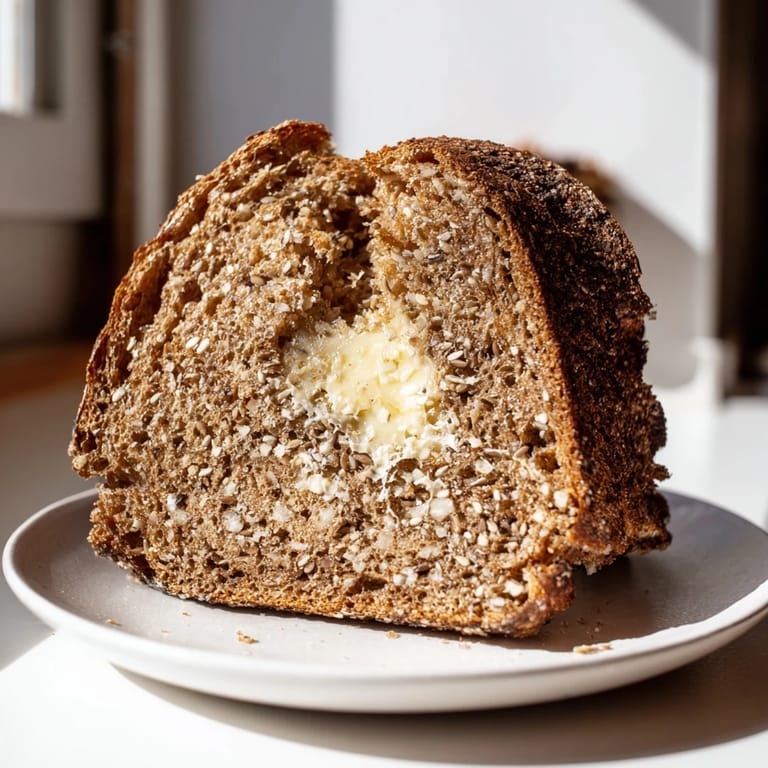
This bread is a keeper in every sense. Wrapped loosely in paper once it's fully cooled, it stays fresh for days and actually tastes better on day three than it does on day one. The crumb continues to settle and the flavors deepen. If you want to freeze it, slice the loaf first so you can pull out individual pieces to toast whenever you need them. Serve slices toasted with salted butter, or pair them with smoked fish, cheese, and pickled vegetables for something closer to a meal.
- Toast slices just before eating to bring out the nutty notes and warm the crumb through.
- Slice with a serrated knife using a gentle sawing motion to avoid crushing the dense crumb.
- Keep it loosely wrapped or in a paper bag, never sealed in plastic, or it will soften the crust.
 Pin This
 Make this bread once and you'll understand why it's been a cornerstone of Latvian tables for generations. It's honest, it's nourishing, and it fills your kitchen with a sense of purpose that most modern cooking has lost.
Recipe FAQs
- → What gives this loaf its dense texture?
The combination of dark rye flour and long fermentation creates a dense yet moist crumb.
- → Why are caraway seeds used in the dough?
Caraway seeds add a distinctive, warm, slightly sweet flavor that complements the rye's earthiness.
- → Can the dough be kneaded by hand?
Yes, kneading by hand for 5–7 minutes until smooth and elastic is recommended, despite the dough remaining slightly sticky.
- → How important is the rising time?
The long 12–16 hour rise develops flavor and texture, producing a flavorful and airy loaf.
- → What baking tools are needed?
A large mixing bowl, dough hook or spoon, loaf pan or baking sheet, parchment paper, and wire rack for cooling are essential.
- → How should the loaf be served?
Slices can be toasted and enjoyed simply with butter or paired with smoked fish and hearty stews for depth.