 Pin This
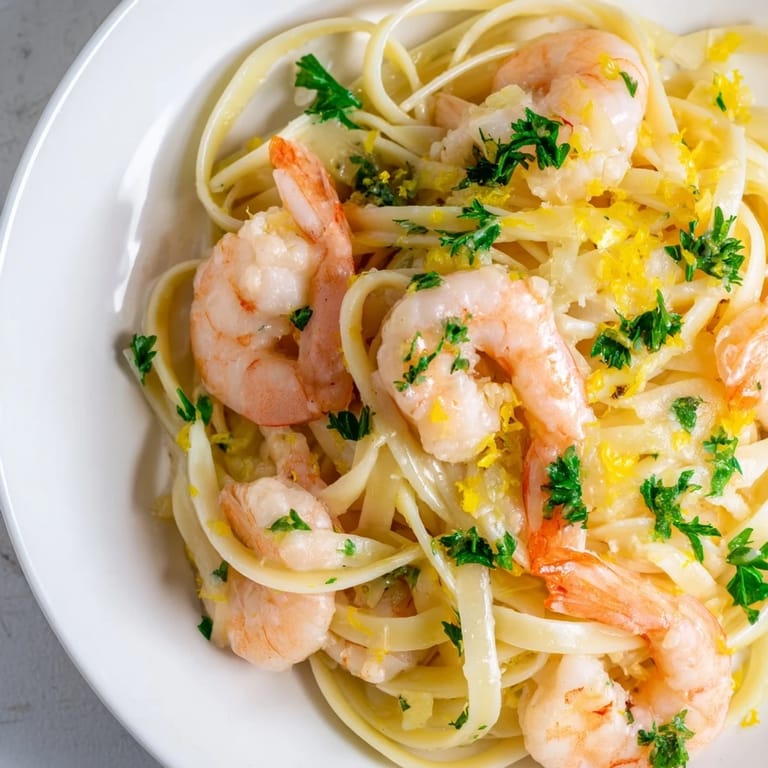
 The smell of garlic hitting hot butter is what got me. I was standing in my tiny apartment kitchen, spatula in hand, watching those translucent slivers turn golden, and suddenly I understood why people write poems about simple food. This dish came together on a Thursday when I was too tired for anything complicated but too hungry for takeout. What shocked me was how restaurant-fancy it looked with barely any effort.
I made this for my sister when she visited last spring, and she kept asking what the secret ingredient was. There wasn't one, just good butter and fresh lemon, but she refused to believe something this flavorful could be so straightforward. We ate it on the back porch with the windows open, twirling linguine onto our forks and laughing about how we used to think pasta from a jar was fancy. That night it felt like we'd unlocked something, a kind of effortless elegance that didn't require culinary school or a million steps.
Ingredients
- Large shrimp (1 lb, peeled and deveined): Look for shrimp that smell like the ocean, not fishy, and pat them completely dry so they sear instead of steam.
- Linguine pasta (12 oz): The flat shape holds onto sauce better than round spaghetti, and cooking it just until al dente means it won't turn mushy when you toss it in the skillet.
- Unsalted butter (4 tbsp): Unsalted lets you control the seasoning, and it browns more gently than salted butter, giving you that nutty richness without burning.
- Extra virgin olive oil (2 tbsp): Mixing oil with butter raises the smoke point so your garlic stays golden instead of bitter.
- Garlic (6 cloves, minced): Fresh garlic is non-negotiable here, the jarred stuff just doesn't bloom the same way in hot fat.
- Crushed red pepper flakes (1/4 tsp, optional): Just a pinch adds a quiet warmth that doesn't scream spicy but keeps things interesting.
- Lemon zest (from 1 lemon): The zest carries all the bright, floral oils that juice alone can't deliver, so don't skip it.
- Fresh lemon juice (2 tbsp): Freshly squeezed cuts through the richness and makes the whole dish feel lighter.
- Fresh parsley (1/4 cup, chopped): This isn't just garnish, it adds a grassy freshness that balances all that butter.
- Salt and black pepper: Season at every stage, the shrimp, the pasta water, the final toss, so flavor builds instead of sitting flat.
- Parmesan cheese (optional, for serving): A little grated on top adds a salty, umami finish, though purists might skip it with seafood.
Tired of Takeout? 🥡
Get 10 meals you can make faster than delivery arrives. Seriously.
One email. No spam. Unsubscribe anytime.
Instructions
- Boil the pasta:
- Get your water rolling and salt it generously, it should taste like the sea. Cook the linguine until it's just tender with a slight bite, then save half a cup of that starchy water before draining.
- Prep the shrimp:
- While the pasta bubbles away, dry your shrimp with paper towels and season them lightly with salt and pepper. Wet shrimp won't get that nice golden edge.
- Toast the garlic:
- Melt butter with olive oil over medium heat, then add your minced garlic and red pepper flakes. Stir constantly for about a minute until it smells incredible but hasn't turned brown.
- Sear the shrimp:
- Lay the shrimp in a single layer, don't crowd them, and let them cook undisturbed for 2 minutes per side. They should turn pink and curl slightly, that's your cue.
- Add the brightness:
- Toss in the lemon zest and juice, stirring to coat the shrimp. The acidity will cut through all that butter and make everything sing.
- Toss with pasta:
- Add the drained linguine to the skillet and toss everything together, using tongs to lift and coat each strand. If it looks tight, add reserved pasta water a splash at a time until the sauce clings perfectly.
- Finish and serve:
- Pull the pan off the heat, toss in the chopped parsley, and taste for seasoning. Serve immediately with Parmesan on the side if you like.
 Pin This
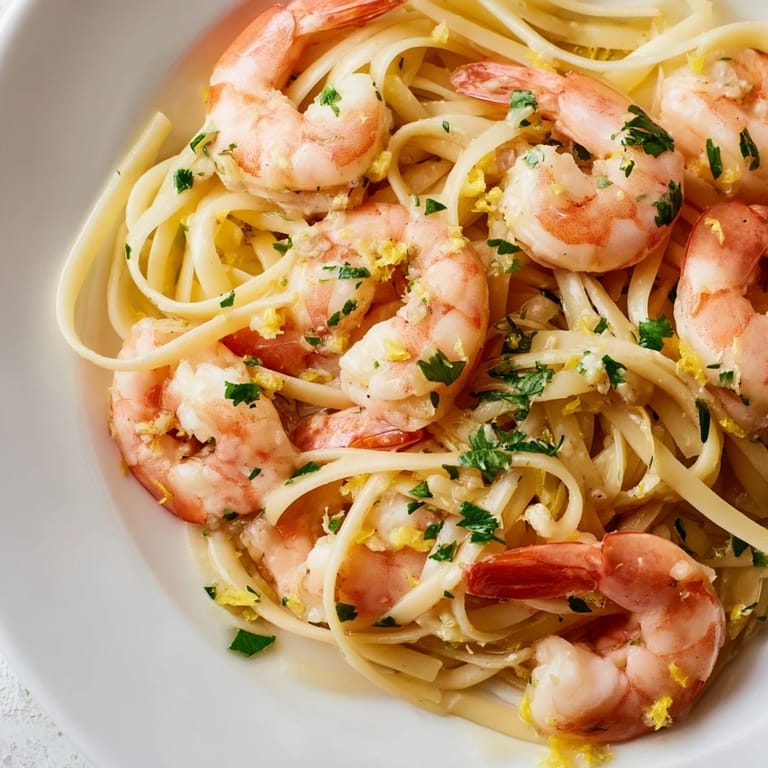
 I remember plating this for a friend who'd just had a rough day at work. She sat at my kitchen counter, twirling pasta onto her fork, and didn't say a word for the first three bites. Then she looked up and said, this is exactly what I needed. It wasn't just the food, it was the gesture, something warm and satisfying that said I see you and I'm here. That's when I realized this recipe wasn't just dinner, it was comfort dressed up in butter and lemon.
How to Know When Shrimp Are Done
Shrimp are tricky because they go from perfectly tender to rubbery in a blink. Look for a firm C-shape, that's your sweet spot. If they curl into tight Os, you've gone too far. The color should be opaque pink all the way through, and the flesh should feel springy, not mushy. I learned this the hard way after serving squeaky shrimp to my dad, who politely chewed and then gently suggested I pull them a minute earlier next time.
Wine Pairing Ideas
A crisp Sauvignon Blanc or Pinot Grigio is perfect here, the acidity mirrors the lemon and doesn't compete with the garlic. I once opened a chilled Vermentino with this dish and it felt like the wine was made for it, all citrus and sea breeze. If you're not a wine person, sparkling water with a lemon wedge does the same job of cleansing your palate between bites. The goal is something bright that cuts through the butter without overpowering the delicate shrimp.
Storage and Reheating
Leftovers keep in an airtight container in the fridge for up to two days, though the pasta will soak up some of the sauce as it sits. To reheat, I add a splash of water or chicken broth to a skillet and warm it gently over medium-low heat, tossing until everything loosens up. The microwave works in a pinch, but cover it with a damp paper towel so the pasta doesn't dry out. Honestly, I've eaten this cold straight from the fridge and it still tastes good, though that's probably not advice you'll find in a cookbook.
- Add a drizzle of olive oil when reheating to refresh the sauce.
- Don't freeze this, shrimp and pasta both suffer in texture after thawing.
- If making ahead, undercook the pasta by a minute so it doesn't turn mushy when reheated.
 Pin This
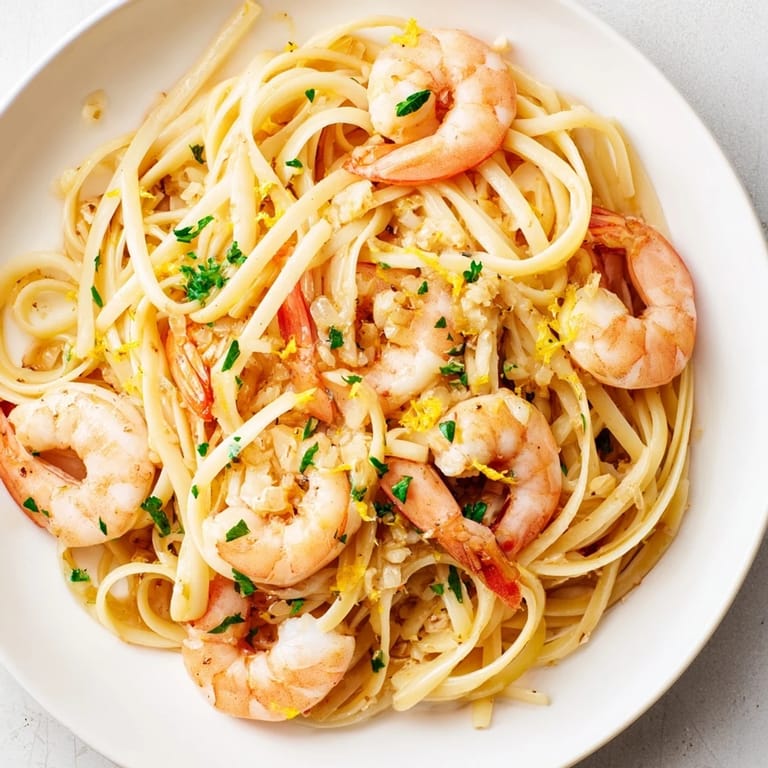
 This dish has become my go-to when I want to feel like a competent adult without breaking a sweat. It's proof that you don't need a long ingredient list or fancy techniques to make something that feels special, just good ingredients and a little bit of care.
Recipe FAQs
- → How do I prevent the shrimp from becoming rubbery?
Cook shrimp for just 2 minutes per side until they turn pink. Overcooked shrimp becomes tough and chewy. Remove from heat immediately once cooked through.
- → Can I use frozen shrimp for this dish?
Yes, thaw frozen shrimp completely and pat them dry before cooking. Moisture on the surface prevents proper browning and can make the sauce watery.
- → What is al dente pasta?
Al dente means the pasta is cooked until tender but still has a slight firmness when bitten. Follow package timing and taste at one minute before the suggested time to achieve the perfect texture.
- → Why reserve pasta water?
Pasta water contains starch that emulsifies with the sauce, creating a silky coating on the linguine. Use it gradually to achieve the desired sauce consistency without making it too thin.
- → Can I make this dish ahead of time?
This dish is best served immediately after assembly. However, you can prep ingredients in advance: cook pasta earlier, have shrimp cleaned and seasoned, and keep the garlic minced. Combine everything fresh just before serving.