 Pin This
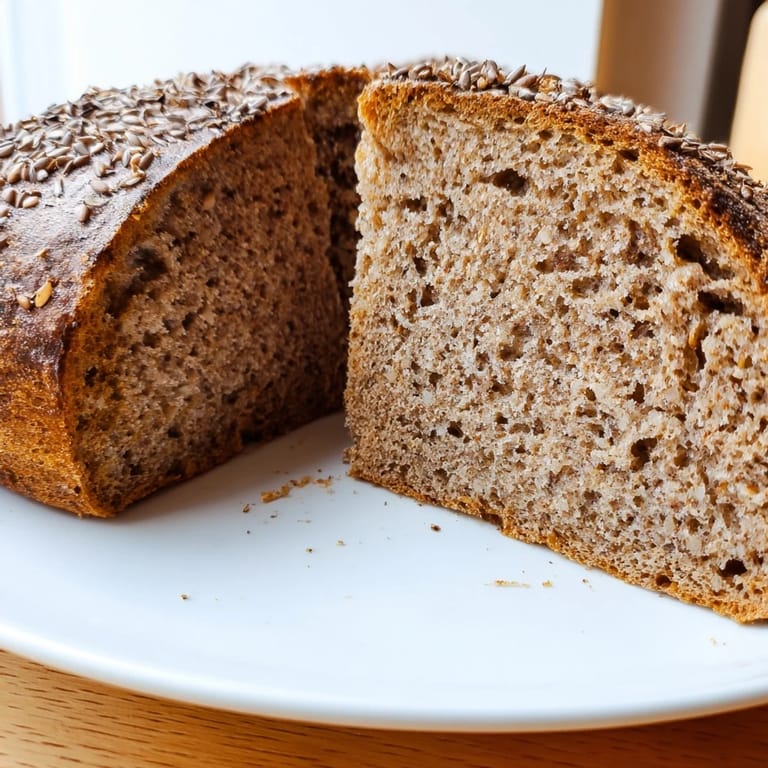
 My neighbor Aino used to bake this every Sunday, and the smell would drift through the stairwell before dawn. I'd wake up to caraway and malt, thick and dark in the air. She taught me the dough doesn't need kneading, just time and patience. The first loaf I made was too pale, I rushed the oven, but the second one came out crackling and deep. Now I bake it whenever I need the apartment to feel like home.
I brought a loaf to a dinner once, still warm in a towel. My friend sliced it thin and layered it with herring and dill, and we ate half the loaf standing in the kitchen. Someone said it tasted like a forest floor in the best way. I didn't know what they meant until I made it again in October, and the malt and caraway hit different when the air turns cold. It became the bread I bake when I want to feed people something real.
Ingredients
- Active rye sourdough starter: This is the soul of the loaf, feed it the night before so it's bubbly and alive.
- Dark rye flour: The darker the better, it gives the bread its earthy backbone and dense chew.
- Bread flour (wheat): Just enough to give the loaf a little structure without losing the rye character.
- Lukewarm water: Not hot, or you'll shock the starter, just body temperature is perfect.
- Dark rye malt: This is what makes it taste like childhood in the Baltics, deep and slightly sweet.
- Molasses or dark honey: Molasses gives a richer color, honey makes it a touch softer.
- Caraway seeds: Toast them in a dry pan for thirty seconds if you want the flavor to bloom.
- Fine sea salt: Balances the sweetness and wakes up the malt.
Tired of Takeout? 🥡
Get 10 meals you can make faster than delivery arrives. Seriously.
One email. No spam. Unsubscribe anytime.
Instructions
- Wake the starter:
- In a large bowl, stir together the rye starter, lukewarm water, and molasses until the molasses dissolves into dark swirls. The mixture should smell faintly sour and sweet at once.
- Build the dough:
- Add the rye flour, bread flour, malt powder, caraway seeds, and salt. Stir with a wooden spoon until it forms a thick, sticky mass that clings to the spoon. It won't look smooth, and that's exactly right.
- First rise:
- Cover the bowl with a damp cloth and leave it on the counter for 10 to 12 hours, or overnight. The dough will puff up and smell yeasty and alive, with bubbles breaking the surface.
- Shape and pan:
- Line a loaf pan with parchment or grease it lightly. Scrape the dough into the pan with a wet spatula, smoothing the top as best you can. Sprinkle extra caraway seeds on top if you like the look and taste.
- Second rise:
- Cover again and let it rise for 2 to 4 hours, until the dough crests just below the rim of the pan. Don't rush this, the slow rise is what makes the crumb tender.
- Preheat and steam:
- Heat your oven to 220°C (430°F) and place a shallow pan of hot water on the bottom rack. The steam keeps the crust from cracking too soon.
- Bake:
- Slide the loaf onto the middle rack and bake for 15 minutes at high heat, then lower the temperature to 190°C (375°F) and bake for another 30 minutes. The crust should be dark mahogany and sound hollow when you tap the bottom.
- Cool completely:
- Turn the loaf out onto a wire rack and let it cool all the way before slicing. Cutting it warm makes the crumb gummy, patience pays off here.
 Pin This
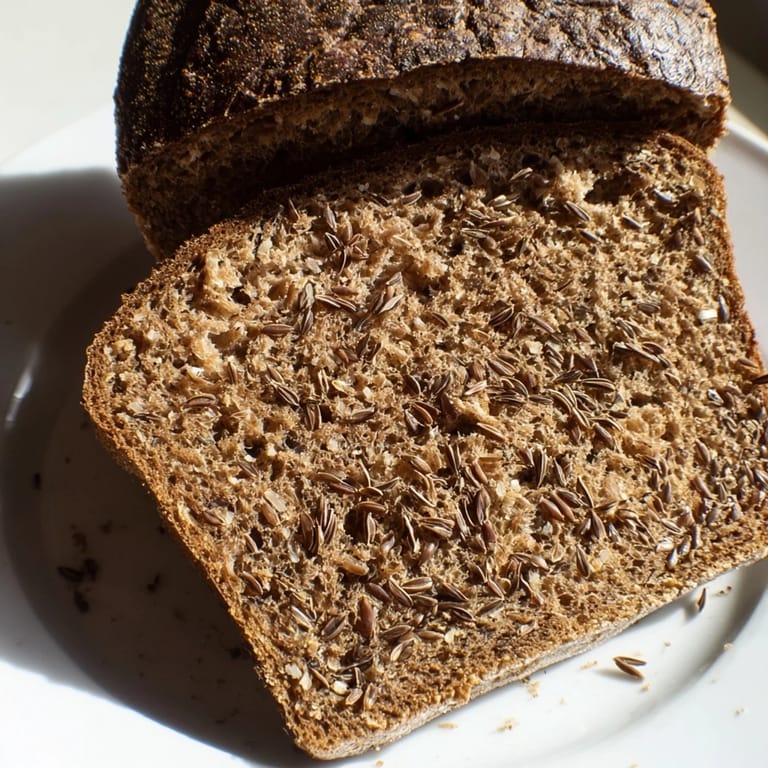
 One winter I sliced this bread every morning for a week, toasted it dark, and ate it with butter and apricot jam while the snow piled up outside. It became a ritual, the smell of caraway and rye mixing with coffee steam. My friend said it was the kind of bread that makes you slow down. I think that's what I love most, it refuses to be rushed, from rise to cooling to the first careful slice.
Serving Suggestions
This bread shines with sharp, salty, or smoky things. I love it with aged cheddar and pickled onions, or piled with smoked mackerel and a squeeze of lemon. For breakfast, toast it and spread it thick with salted butter and honey. At dinner, serve it alongside borscht or a hearty stew. It holds up to bold flavors without disappearing, and it makes simple things feel like a feast.
Storage and Freshness
Wrap the cooled loaf in a clean linen towel or beeswax wrap and keep it on the counter for up to a week. The crust softens after a day, but the flavor gets richer. If you want to keep it longer, slice it and freeze the slices in a bag, then toast them straight from the freezer. I've kept a loaf for ten days and it still tasted alive, dense and aromatic, never stale.
Troubleshooting and Variations
If your loaf doesn't rise much, your starter might be weak or your kitchen too cold, try a longer rise or a warmer spot. For a sweeter loaf, bump the molasses up to 3 tablespoons. If you can't find rye malt, use barley malt or even a tablespoon of cocoa powder for color and depth. Some bakers add a handful of sunflower seeds or flaxseeds to the dough for extra texture.
- If the crust burns before the inside is done, tent the loaf with foil halfway through baking.
- For a shinier crust, brush the top with a little water or milk before the final rise.
- You can bake this in a round Dutch oven instead of a loaf pan for a more rustic shape.
 Pin This
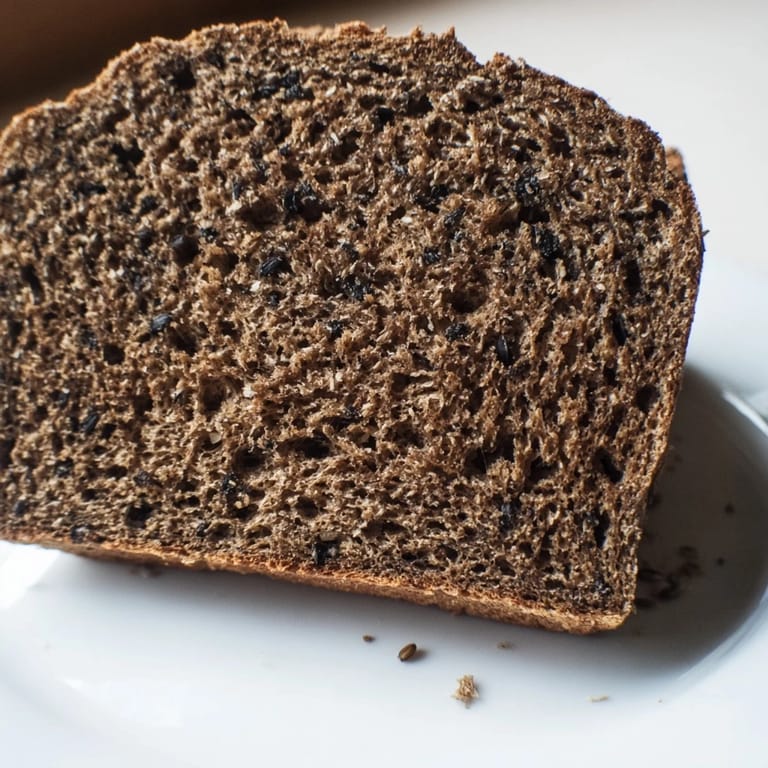
 This is the kind of bread that makes your hands smell like caraway for hours after you mix it, and I never mind. It teaches you to wait, to trust the slow work of wild yeast and time, and it rewards you with something dark and honest and deeply satisfying.
Recipe FAQs
- → What type of flour is used in Estonian Leib?
Primarily dark rye flour, combined with bread flour for structure, creates the dense yet tender crumb typical of this bread.
- → How does malt affect the bread's flavor?
Malt adds a subtle sweetness and depth, enhancing the loaf’s rich, dark color and contributing to its aromatic complexity.
- → What role do caraway seeds play?
Caraway seeds provide a distinctive, slightly spicy and herbal note that complements the malty, rye base, balancing the flavor profile.
- → Why is steam used during baking?
Introducing steam helps develop a crisp, dark crust while keeping the crumb moist and allowing the loaf to expand properly.
- → Can this bread be stored long-term?
Yes, when wrapped in a clean towel, the loaf keeps fresh for up to a week, preserving its texture and flavors.