 Pin This
 There's something about a bowl that feels less like dinner and more like a deliberate act of care. I stumbled onto this combination one autumn evening when I had leftover roasted squash, a beautiful cut of steak I'd been saving, and an inexplicable craving for something warm and grounding. What emerged was this: a bowl where every element—the caramelized sweetness of butternut squash, the savory sear on the steak, the nutty quinoa—creates its own moment before the garlic herb sauce ties everything into something unexpectedly comforting.
I made this for my partner on a night when we both needed something nourishing but didn't have the energy for complicated cooking. Watching them take that first bite and pause—genuinely pause—to appreciate the flavors reminded me why I love cooking at home. It became our go-to bowl that winter, the kind of dish that tastes different depending on your mood but always feels right.
Ingredients
- Butternut squash, peeled and diced (2 cups): The natural sweetness balances the savory steak beautifully, and roasting brings out a caramel quality that regular roasting pan vegetables rarely achieve—use a sharp knife or a good vegetable peeler to make prep less tedious.
- Garlic cloves, sautéed (3): Fresh garlic that's been gently cooked becomes sweet and mellow, forming the soul of your sauce—don't skip the sautéing step or your sauce will taste harsh.
- Fresh parsley and dried herbs (1 tablespoon parsley, 1/2 teaspoon thyme, 1/2 teaspoon rosemary): These herbs create layers of flavor; the parsley stays bright while thyme and rosemary add earthiness that complements both the squash and steak.
- Quinoa, rinsed (1 cup): Rinsing removes the bitter coating and ensures fluffy, separate grains that won't clump—it's a small step that makes a noticeable difference.
- Water (2 cups): Use filtered water if possible; it affects the final taste of the quinoa more than you'd think.
- Steak, cubed (1 pound sirloin or ribeye): Sirloin is leaner and slightly more economical, while ribeye has more marbling and richness—choose based on your mood and budget.
- Heavy cream or Greek yogurt (1/2 cup): Heavy cream gives you a luxurious sauce, but Greek yogurt creates something lighter and tangier that works just as well.
- Olive oil (2 tablespoons): Use good quality oil; you'll taste it in both the roasted squash and the sauce.
- Salt and black pepper (1/2 teaspoon each, divided): Dividing the seasoning allows you to build layers of flavor throughout the dish rather than adding it all at once.
Tired of Takeout? 🥡
Get 10 meals you can make faster than delivery arrives. Seriously.
One email. No spam. Unsubscribe anytime.
Instructions
- Heat your oven and prep the squash:
- Set your oven to 400°F and while it preheats, toss your diced butternut squash with 1 tablespoon olive oil, 1/4 teaspoon salt, 1/4 teaspoon pepper, and half your herbs. The oil should coat every piece evenly, creating a light golden sheen—this ensures even roasting rather than some pieces turning leathery while others stay pale.
- Roast until golden and tender:
- Spread the squash on a baking sheet in a single layer and roast for 25 to 30 minutes, stirring halfway through. You'll know it's ready when the edges are deeply caramelized and a fork passes through easily with just slight resistance. The kitchen will smell like autumn at this point, which is not a small thing.
- Cook the quinoa while the squash roasts:
- In a medium saucepan, bring 2 cups water to a boil and add your rinsed quinoa. Reduce heat to low, cover, and let it simmer gently for 15 minutes until the water is fully absorbed and the grains have that characteristic little spiral tail showing. Set it aside covered; it'll stay warm and continue to develop flavor.
- Sear the steak with precision:
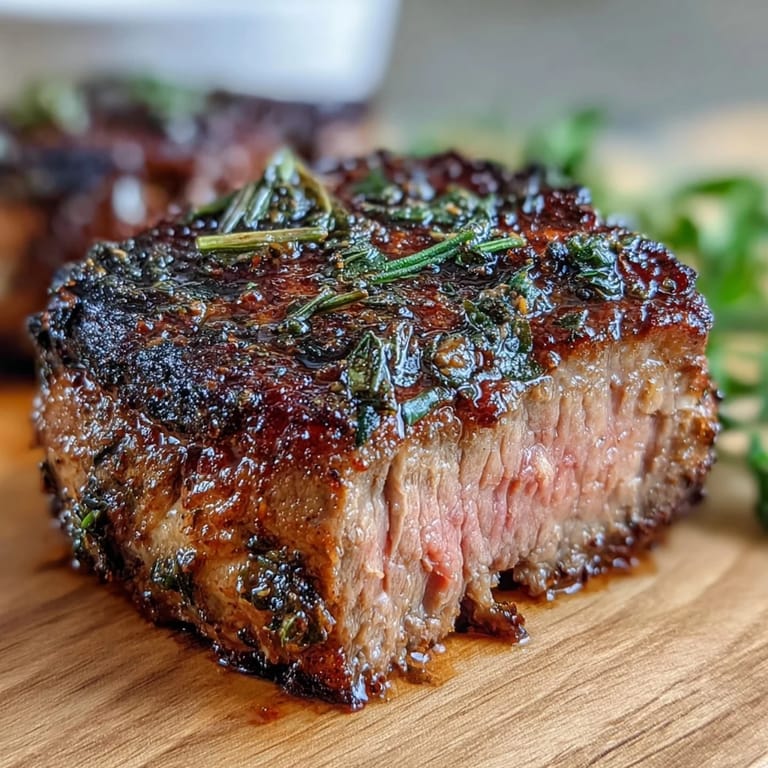
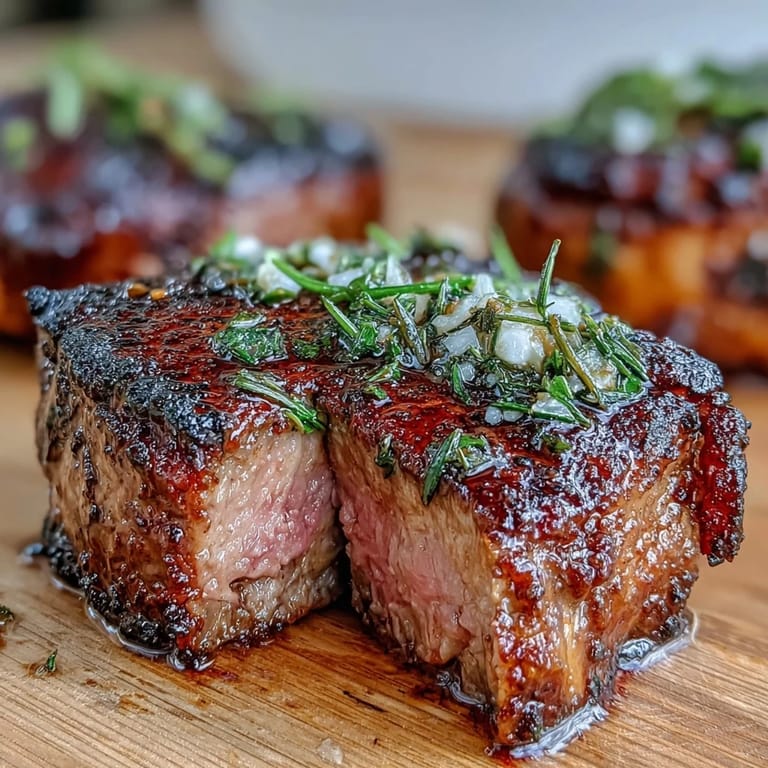
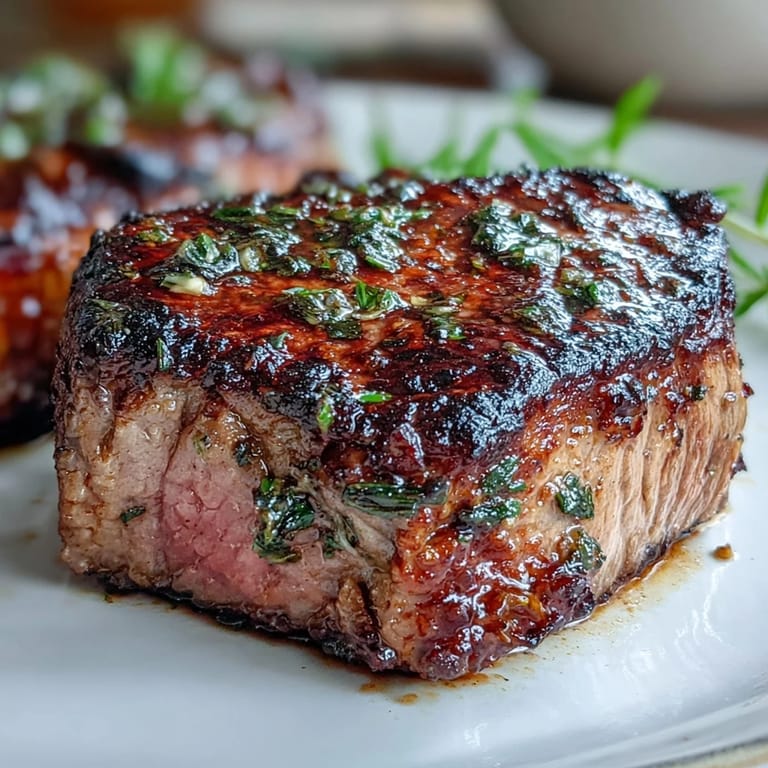
- Pat your steak cubes dry with a paper towel—this is crucial for achieving a good crust—and season them with the remaining salt and pepper. Heat a cast iron skillet over medium-high heat until it's very hot, then sear the steak in 1 tablespoon olive oil for 2 to 3 minutes per side until deeply browned. Don't overcrowd the pan; work in batches if needed, and let each piece rest for a few minutes after cooking to retain its juices.
- Blend your sauce into silky creaminess:
- Combine your sautéed garlic, heavy cream or Greek yogurt, remaining fresh herbs, and a pinch of salt in a blender or food processor. Blend until completely smooth and pourable, about a minute or two. Taste it and adjust seasoning—the sauce should make you want to drizzle it on everything.
- Build your bowls with intention:
- Divide the cooked quinoa among four bowls, creating a gentle base. Top each with roasted butternut squash and steak bites, arranging them so you get a bit of everything in each spoonful. Drizzle the garlic herb sauce generously over the top, finish with extra fresh parsley, and serve immediately while everything is still warm.
 Pin This
 The first time I served this to guests, someone asked if I'd gotten it from a restaurant, and I realized that's exactly when a home-cooked meal becomes special—when it transcends the expectation of what kitchen work should yield. That's what this bowl does.
Building Flavor Through Roasting
Roasting butternut squash transforms it from a mild vegetable into something with genuine caramel notes and depth. The Maillard reaction that creates browning also creates complexity; those golden-edged pieces taste fundamentally different from steamed or microwaved squash. I learned this by accident when I once roasted squash at 350°F instead of 400°F—it cooked through but never developed that golden-brown character that makes this bowl sing. Temperature matters more than time.
The Cast Iron Makes a Real Difference
A cast iron skillet holds and distributes heat in a way that creates an incredible sear on the steak cubes. The metal gets hot enough to develop a crust without cooking the interior too much, and it seems to understand the steak in a way other pans don't. If you don't have cast iron, a stainless steel skillet will work, but it requires more attention to heat management and the results are subtly different—less dramatic, somehow.
Make-Ahead Strategies That Actually Work
The beauty of this bowl is component flexibility. You can roast the squash two days ahead, cook the quinoa three days ahead, and sear the steak that morning; everything stores separately and comes together in minutes. The only element that shouldn't be made far ahead is the sauce, which is best blended fresh, though it does keep covered in the refrigerator for about 8 hours. This makes it an ideal dish for meal planning when you want restaurant-quality results without last-minute stress.
- Store roasted squash in an airtight container and reheat gently in a 350°F oven for 5 minutes before serving.
- Keep cooked steak separate from other components and serve at room temperature or warm gently in a skillet just before assembling.
- Prepare all components in your own rhythm—the magic happens when you assemble, not during individual cooking steps.
 Pin This
 This bowl became my answer to the question of how to cook something that feels both straightforward and special. It's the kind of meal that reminds you why cooking for yourself and others matters.
Recipe FAQs
- → How do I get the steak tender and flavorful?
Marinate the steak cubes with garlic, herbs, and olive oil for at least 30 minutes before searing to enhance tenderness and flavor.
- → What’s the best way to roast butternut squash evenly?
Cut the squash into evenly sized cubes, toss with oil and seasoning, then roast at 400°F for 25-30 minutes, stirring halfway for consistent browning.
- → Can I substitute quinoa with other grains?
Yes, farro or brown rice can be used as alternatives for a different texture and flavor while maintaining the wholesome base.
- → How is the garlic herb cream sauce prepared?
The sauce blends sautéed garlic, fresh herbs, and heavy cream or Greek yogurt until smooth, adding a creamy, flavorful finish.
- → Can this dish be prepared ahead of time?
All components can be prepped separately and stored for up to 4 days, making it ideal for meal prep and quick assembly.