 Pin This
 My neighbor Maria showed up one evening with a bag of guava paste from her family's Caribbean recipe collection, insisting I needed to try something beyond the usual desserts. I'd never considered pairing guava with bread pudding until that moment, but watching her describe the sweet-tart balance made me curious enough to experiment. What emerged from my kitchen was this unexpectedly luxurious fusion that tastes like someone took a classic custard dessert and whispered tropical secrets into it. Now whenever I make it, that conversation comes back to me, along with the scent of caramel mingling with something impossibly aromatic.
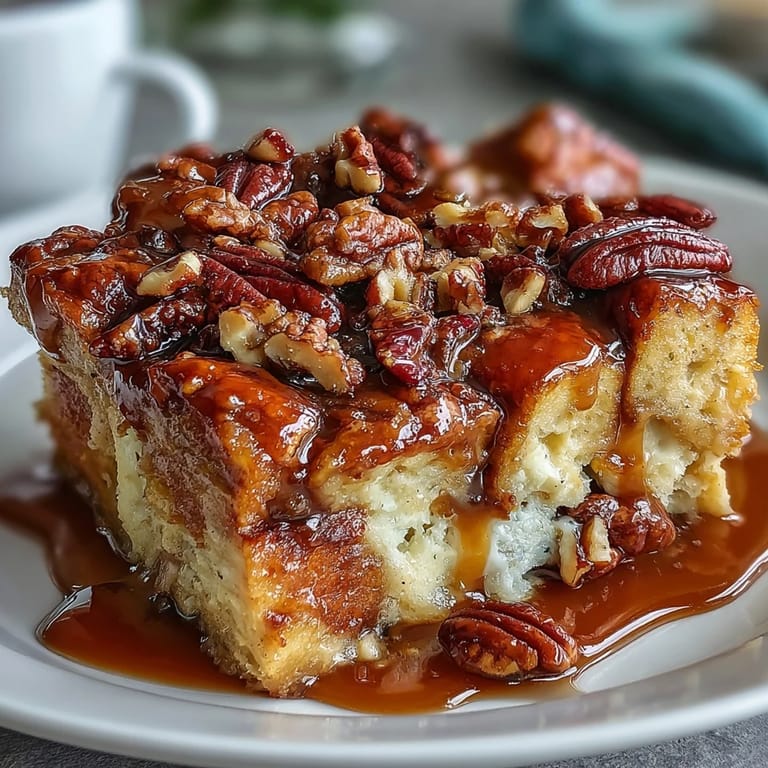
I made this for my partner's birthday dinner, and they kept asking if I'd bought it from a bakery because apparently homemade desserts aren't supposed to look this polished. Watching them take that first bite and their eyes light up when the caramel hit their tongue made all the layering and careful timing worthwhile. That moment of quiet approval before they took another forkful told me this recipe had staying power.
Ingredients
- Day-old brioche or challah, cubed (8 cups): Stale bread is non-negotiable here because it absorbs the custard without turning into mush, creating that perfect tender-but-structured texture that holds up to all the layering.
- Whole milk (2 cups): Whole milk gives the custard body and richness without needing excessive cream, creating a balanced soak that's luxurious but not heavy.
- Heavy cream (1 cup): This is where the silk comes in—it rounds out the dairy base and ensures every bread cube gets coated in something that feels indulgent.
- Large eggs (4): Eggs are your binding agent and what actually sets the pudding, so don't skip them or use egg substitute here.
- Granulated sugar (1/2 cup): This sweetens the custard base itself, which matters because the guava paste and caramel will add their own complexity, so you need a foundation that's subtly sweet, not cloying.
- Vanilla extract (2 tsp): A full two teaspoons is essential because vanilla acts as a bridge between the tropical guava and the rich caramel, tying everything together.
- Salt (1/4 tsp): Don't skip the salt—it amplifies the caramel and keeps the custard from tasting one-dimensional.
- Guava paste, cubed (1 cup): Cut it into small cubes rather than leaving it whole, because those little pockets of guava will distribute evenly and dissolve slightly into the custard while keeping their distinct flavor.
- Caramel sauce (1/2 cup plus extra): Use quality caramel sauce or make your own, because the bottled stuff varies wildly in flavor and you want something rich enough to stand up to the guava.
- Chopped pecans (3/4 cup): The pecans add structure to the crumb and their buttery, slightly bitter notes balance the sweetness perfectly.
- Unsalted butter (2 tbsp melted, plus more for greasing): Melted butter drizzled on top before baking creates a golden crust that pecans nestle into, making them stay crispy instead of turning soggy.
Tired of Takeout? 🥡
Get 10 meals you can make faster than delivery arrives. Seriously.
One email. No spam. Unsubscribe anytime.
Instructions
- Set your stage:
- Preheat the oven to 350°F and generously butter a 9x13-inch baking dish, making sure you get into the corners. I've learned that neglecting this step leads to frustrated cleanup and uneven browning on the sides.
- Build your custard foundation:
- Whisk together the milk, cream, eggs, sugar, vanilla, and salt until completely smooth—you'll hear the whisk glide through without any egg white streaks. Take your time here because lumpy custard is the only real mistake in this whole recipe.
- Let the bread drink in luxury:
- Toss the bread cubes into the custard and stir gently until every piece is coated in that creamy mixture, then set it aside for ten minutes. Those ten minutes matter enormously—the bread softens enough to absorb flavor but stays structured enough to hold its shape through baking.
- Marry the flavors:
- Fold in the guava paste cubes and half the pecans with a rubber spatula, moving slowly enough to distribute everything evenly. The guava will start to soften around the edges, and that's exactly what you want.
- Create the caramel layers:
- Pour half the soaked bread mixture into your baking dish, then drizzle half the caramel sauce across the top, creating streaks rather than a solid layer. Add the remaining bread mixture and finish with the remaining caramel, which will ooze down into the layers as it bakes.
- Crown it with crunch:
- Scatter the remaining pecans across the top and drizzle with melted butter, letting it pool slightly so the pecans toast in the butter as the pudding bakes. This step is what makes people ask if something happened to your bread pudding because it looks almost professional.
- Let the oven do its work:
- Bake for 40 to 45 minutes until the top is golden and the center barely jiggles when you gently shake the dish. If the top starts browning too fast around the edges (some ovens run hot), tent it loosely with foil and check again in five minutes.
- Rest before serving:
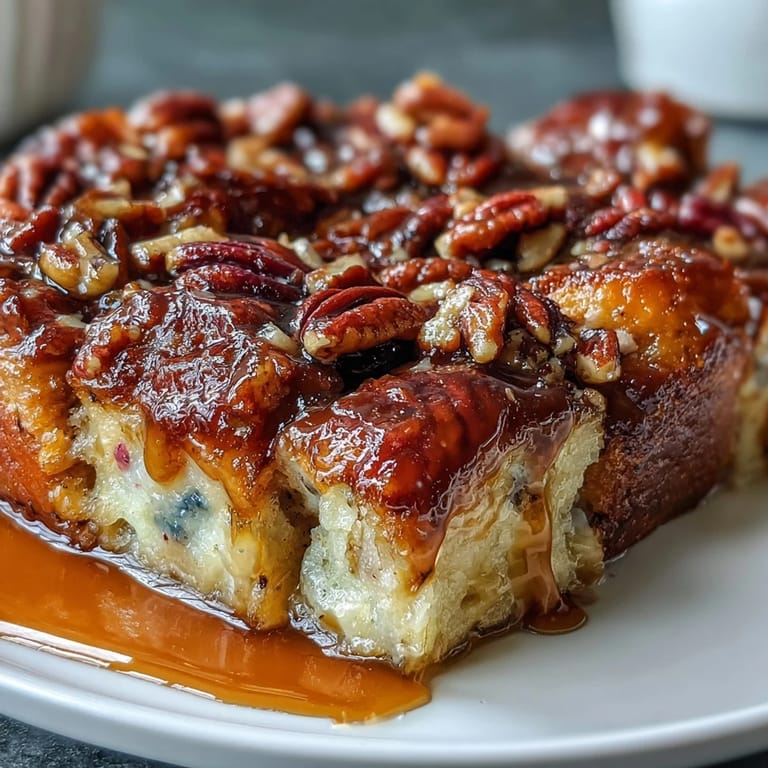
- Let it cool for at least five minutes, which is hard to do because the aroma fills your entire kitchen immediately. This cooling time lets the custard set enough to serve with a clean edge instead of sliding around on the plate.
 Pin This
 The moment I understood this recipe was truly special was when my mother tried it and immediately asked for the method, not the result. She'd been skeptical about guava and caramel together until she tasted that first spoonful, and suddenly she understood why I'd been excited about this fusion of Latin American and classic American dessert traditions.
The Guava Question
Guava paste is one of those ingredients that seemed intimidating until I actually tasted it in action, and now I can't imagine this pudding without it. The paste brings a subtle tartness and complex sweetness that keeps the dessert from feeling too heavy, which is crucial when you're combining custard, caramel, and cream. If you've never worked with it, know that it softens beautifully in warm custard and doesn't overpower the other flavors—it just adds dimension.
Caramel Timing and Temperature
I learned the hard way that different caramel sauces bake differently, so knowing what you're working with matters. Homemade caramel or quality jarred sauce bakes into a slightly thickened layer that adds pockets of richness, while thin caramel can separate and pool unevenly. The layering technique means the caramel gets time to meld with the custard without burning, creating ribbons of sweetness throughout rather than a bitter top crust.
Make It Your Own
This recipe is forgiving enough to invite creativity, though some choices work better than others. My best experiments involved adding a pinch of cinnamon to the custard and toasting the pecans beforehand, both of which deepened the flavor profile without overshadowing the guava. The tropical note also plays beautifully with a light brush of rum or a handful of shredded coconut folded into the custard, if you want to push the fusion aspect further.
- Serve it warm with vanilla ice cream or whipped cream, because the contrast between cold and warm is where this dessert really shines.
- Make it ahead and reheat gently in a 300°F oven for about fifteen minutes to restore the warmth without drying it out.
- Leftover bread pudding tastes almost better the next day because the flavors have had time to meld and the texture firms up slightly.
 Pin This
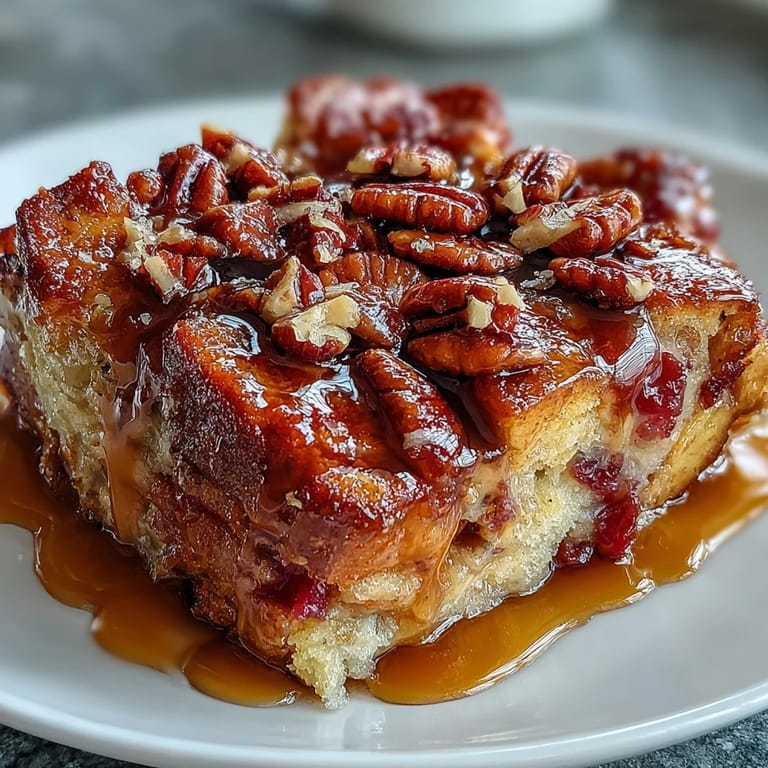
 Every time I bring this to a table, it becomes the conversation starter that overshadows everything else on the dessert spread. That's when you know you've landed on something genuinely special.
Recipe FAQs
- → What type of bread works best for this dessert?
Brioche or challah are ideal choices because their rich, egg-based structure absorbs the custard beautifully while maintaining texture. Day-old bread actually works better than fresh—it soaks up the liquid without becoming mushy, giving you that perfect creamy-yet-substantial consistency.
- → Can I prepare this ahead of time?
Absolutely. Assemble everything the night before, cover tightly, and refrigerate. The extra soaking time actually improves the texture—every cube becomes thoroughly saturated with custard. Just add 5-10 minutes to the baking time if baking straight from the refrigerator.
- → How do I know when it's done baking?
Look for a deep golden-brown top with slightly crispy edges. The center should feel set when you gently jiggle the pan—no liquid waves underneath. A knife inserted in the middle should come out clean, not coated in wet custard. If the top browns too quickly, tent with foil.
- → What can I substitute for guava paste?
Mango or passion fruit paste work wonderfully as tropical alternatives. For a non-tropical version, try fig preserves or apricot jam—the key is using something with concentrated fruit flavor and natural pectin that won't make the layers too watery during baking.
- → Should I serve it warm or cold?
Warm is ideal—the caramel gets wonderfully gooey and the custard becomes velvety. Let it cool for about 15-20 minutes after baking so it sets slightly but still retains that comforting warmth. Room temperature is also delicious, especially on hot days when you want something more refreshing.
- → Can I freeze leftovers?
Yes, individual portions freeze exceptionally well. Wrap each serving tightly in plastic and foil for up to 2 months. Thaw overnight in the refrigerator, then reheat at 300°F (150°C) for about 15 minutes until warmed through and slightly crispy on top again.