 Pin This
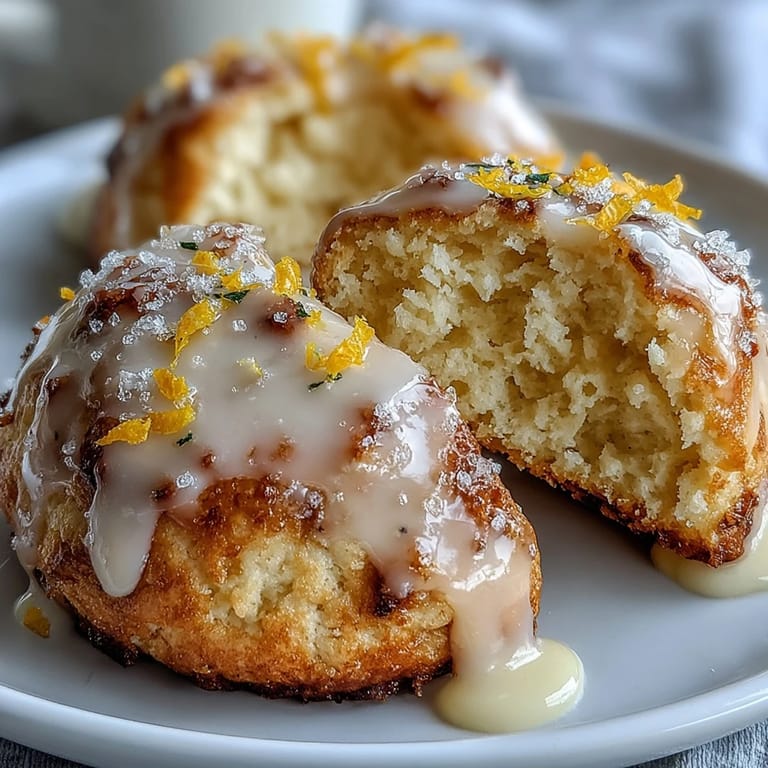
 My neighbor handed me a warm cookie through the fence one afternoon, still soft in the middle, with a glossy lemon glaze catching the sunlight. She wouldn't tell me what made them so impossibly tender until weeks later, when she finally admitted it was cottage cheese. I was skeptical at first—cottage cheese in cookies sounded like a kitchen experiment gone wrong. But one bite changed everything: that tangy creaminess, the bright lemon cutting through the sweetness, the way the cookie stayed moist for days. I've been making them ever since, and now they're the first thing people ask for.
I made these for a potluck where everyone brought store-bought desserts, and watching people's faces when they realized these homemade cookies were better than anything else on the table was worth every minute. A friend took one bite and immediately asked if I'd made them professionally, which felt like the highest compliment. That moment made me realize that sometimes the simplest ideas—cottage cheese, lemon, sugar—can create something genuinely memorable.
Ingredients
- All-purpose flour (2 1/4 cups): The foundation that keeps these cookies tender rather than cakey; don't sift unless your flour is lumpy.
- Baking soda and baking powder (1/2 teaspoon each): They work together to give the cookies gentle lift and that perfect slightly-soft center.
- Salt (1/4 teaspoon): Amplifies the lemon flavor and balances the sweetness in ways you won't notice until it's missing.
- Unsalted butter (1/2 cup, softened): Room temperature is non-negotiable here; cold butter won't cream properly and you'll lose that fluffy texture.
- Granulated sugar (1 cup): Use the regular white kind; don't substitute brown sugar as it will change the flavor profile completely.
- Cottage cheese (1 cup, full-fat, well-drained): This is the secret ingredient that creates moisture and tenderness; drain it in a fine mesh strainer for a few minutes so excess liquid doesn't make the dough wet.
- Large egg: Binds everything together and adds richness; use room temperature if you remember.
- Lemon zest (1 tablespoon): Fresh is essential here; the zest holds more flavor than the juice alone and makes these cookies distinctly special.
- Fresh lemon juice (2 tablespoons): Bottled will work in a pinch, but fresh lemons give a cleaner, brighter taste that really shines through.
- Vanilla extract (1 teaspoon): Use pure vanilla, not imitation; it rounds out the lemon without competing with it.
- Rolling sugar (1/4 cup): This coats the dough balls and creates a subtle sparkle and texture contrast on the finished cookie.
- Powdered sugar for glaze (1 cup, sifted): Sifting removes lumps so your glaze stays smooth and glossy.
Tired of Takeout? 🥡
Get 10 meals you can make faster than delivery arrives. Seriously.
One email. No spam. Unsubscribe anytime.
Instructions
- Heat your oven and prep the stage:
- Preheat to 350°F and line two baking sheets with parchment paper. This temperature is gentle enough to keep the centers soft while the edges set beautifully.
- Mix your dry ingredients:
- In a medium bowl, whisk together the flour, baking soda, baking powder, and salt. The whisking aerates the flour and distributes the leavening agents evenly.
- Cream butter and sugar until fluffy:
- Beat them together for about 2 minutes until the mixture turns pale and noticeably lighter. This step matters because trapped air bubbles create that tender crumb you're after.
- Add cottage cheese and beat it smooth:
- This might look strange at first, but keep mixing until you can't see any cottage cheese lumps. The creamy mixture is what makes these cookies stay moist longer than typical sugar cookies.
- Mix in the egg and brightness:
- Add the egg, lemon zest, lemon juice, and vanilla, beating until fully combined. You'll notice the mixture becomes lighter and more fragrant as the lemon zest releases its oils.
- Fold in the dry ingredients gently:
- Add the flour mixture gradually and mix only until you don't see dry streaks anymore. Overmixing develops gluten and makes cookies tough, which is the opposite of what we want here.
- Shape and sugar-coat the dough:
- Scoop tablespoon-sized portions and roll each into a ball, then roll in granulated sugar. Place them 2 inches apart because they'll spread slightly while baking.
- Bake until edges are set but centers stay soft:
- This usually takes 11 to 13 minutes at 350°F. The cookies should look barely done when you pull them out; they'll continue cooking slightly on the hot pan.
- Cool in stages for perfect texture:
- Let them rest on the baking sheet for 5 minutes so they firm up enough to move, then transfer to a wire rack to cool completely. This prevents them from breaking and helps them keep their soft centers.
- Make the glaze and finish:
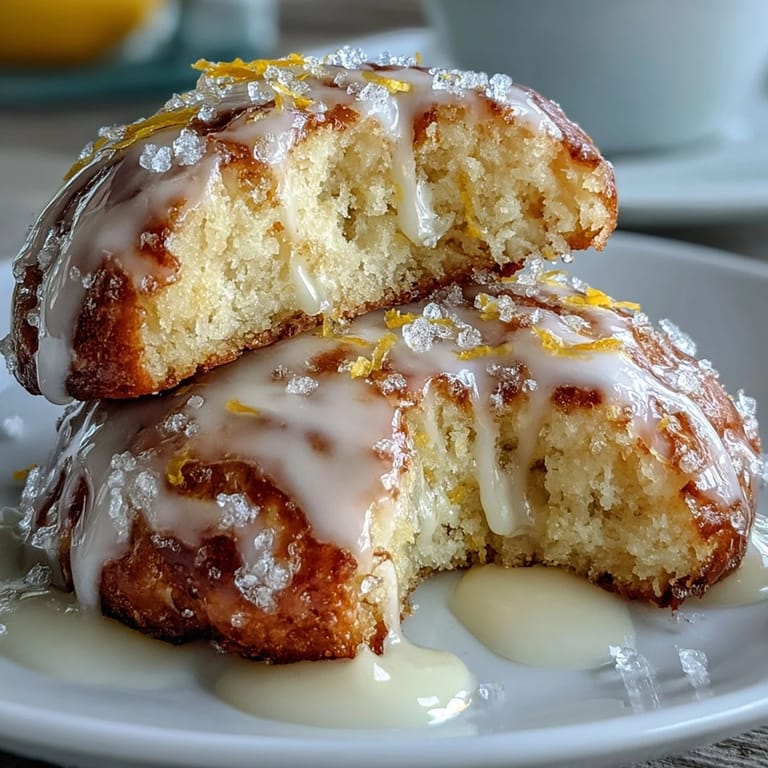
- Whisk powdered sugar, fresh lemon juice, and optional zest until smooth. Drizzle it over completely cooled cookies and let it set before serving or storing.
 Pin This
 There's something about serving these cookies fresh from the kitchen, with the glaze still slightly tacky, that turns an ordinary afternoon into something worth remembering. Friends and family always come back for more, and you'll find yourself making these again and again.
Why Cottage Cheese Works Magic Here
Cottage cheese is a secret weapon in baking that most home bakers never think about. It adds moisture and tenderness without making the dough greasy or heavy the way extra butter or oil would. The curds break down during mixing and essentially disappear into the dough, leaving behind only their gift of moisture and a subtle tang that brightens the overall flavor. When I first tasted cookies made this way, I couldn't quite name what made them different—just that they were softer, stayed fresher longer, and had a complexity that plain sugar cookies never achieved.
The Lemon Element That Changes Everything
Using both lemon zest and juice is what prevents these from tasting like generic lemon cookies. The zest carries aromatic oils that juice alone can't provide, while the juice adds brightness and acidity that cuts through the sweetness. I learned to zest the lemon first, then juice it, which saves time and prevents dried-out lemons. If you only have bottled juice, you can still make these, but fresh really does make a noticeable difference in how vibrant and alive the flavor tastes.
Storage and Keeping These Fresh
The wonderful thing about these cookies is they actually improve slightly after a day as the flavors meld together. Store them in an airtight container at room temperature and they'll stay soft for up to three days. I've kept them for that long and they're still perfectly fine, though they disappear much faster in most households.
- An airtight container with a slice of bread tucked in keeps them extra soft if you love them that way.
- You can freeze the unbaked dough balls in a freezer bag for up to a month, then bake them straight from the freezer, adding just a minute or two to the bake time.
- Don't refrigerate these cookies as the cold air dries them out faster than room temperature storage would.
 Pin This
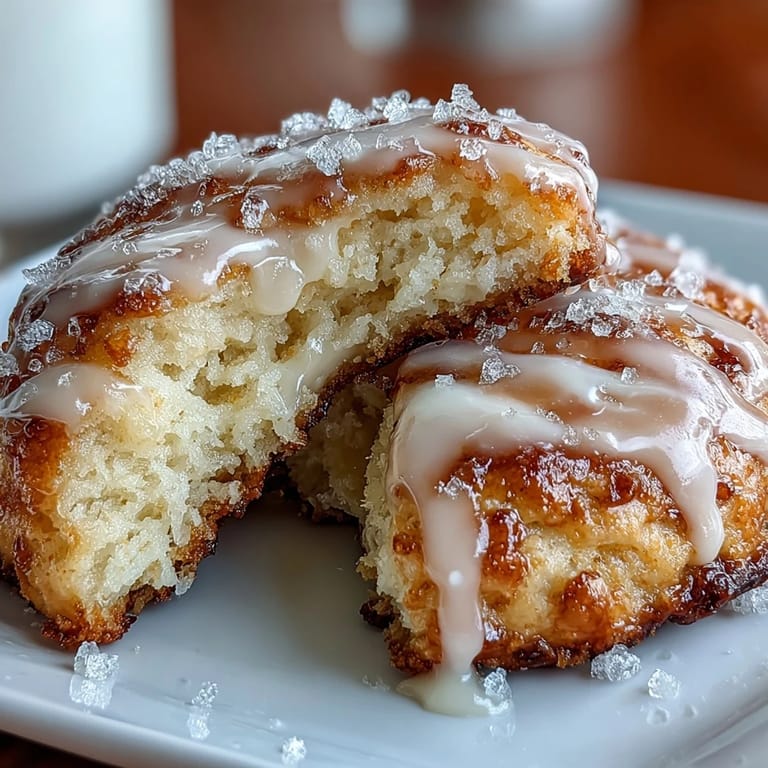
 These cookies have become my go-to when I want to bring something homemade that feels special without feeling like I spent all day in the kitchen. The combination of cottage cheese, bright lemon, and that tender crumb is genuinely hard to beat.
Recipe FAQs
- → What makes these cookies soft and moist?
The use of full-fat cottage cheese adds moisture and a creamy texture that keeps the cookies soft.
- → Can I adjust the lemon flavor intensity?
Yes, increasing lemon zest in the dough or glaze will enhance the tangy brightness.
- → How should the dough be mixed?
Mix wet and dry ingredients until just combined to avoid tough cookies from overmixing.
- → What is the purpose of rolling dough balls in sugar before baking?
Rolling in sugar creates a delicate crunchy exterior that contrasts nicely with the soft interior.
- → How long will these cookies stay fresh?
Store in an airtight container at room temperature for up to three days to maintain freshness.